Logo
Get Estimate

Basement Mold Inspection Charlotte NC for Your Home

Find hidden growth, trace moisture, and plan your next step


Basement Mold Inspection Charlotte NC helps homeowners locate visible and hidden mold, identify moisture conditions, and decide what to do next. If you notice a musty odor, a past leak, or dark marks on foundation walls, our Charlotte team inspects the basement and explains the findings in plain language. We also provide a basement mold assessment Charlotte NC residents can use to clarify whether sampling or further investigation is warranted.

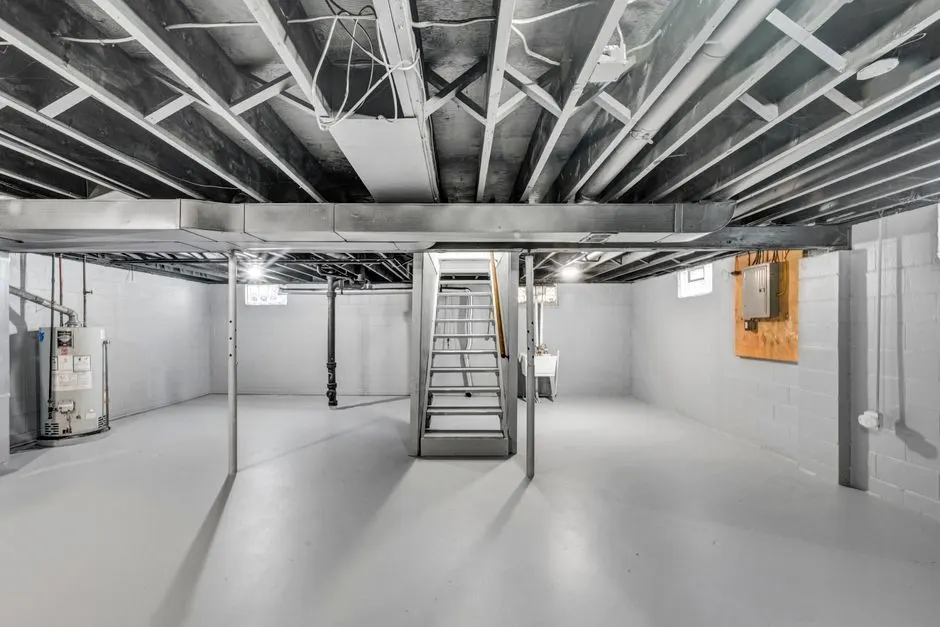
Explore a spacious, unfinished basement with potential for renovation in an Ohio home.
Licensed Licensed & Bonded
Fully Insured Insured & Bonded
24/7 Emergency Same-Day Response
Warranty Backed Workmanship Guaranteed in Charlotte

What a Basement Inspection Includes

Your inspection covers accessible basement surfaces, visible moisture clues, humidity conditions, and selected material readings. We review water history and document suspected problem locations. Sampling is performed when it serves a clear purpose and is discussed before collection; remediation, opening finished walls, and repair work are separate services. You receive findings that distinguish what we observed from what laboratory testing can establish.

Visual Area Review

We inspect accessible foundation walls, floor edges, utility spaces, visible plumbing, and stored materials near the concern. You can show us prior leak locations or concealed areas of concern so we can record what is visible and explain where access limits the inspection.

Moisture and Humidity Checks

We record humidity and take selected material readings with appropriate meters. Comparing a suspect location with nearby materials helps identify patterns that deserve attention. Readings are interpreted in context rather than used as a stand-alone mold test.

Targeted Sampling Options

When sampling can answer a defined question, we explain the method and collect air or surface samples as appropriate. Sample type and quantity depend on the concern. Laboratory results are reported with location details so you can relate them to the inspection.

Findings and Next Steps

We review observed conditions, measurement locations, and any available lab findings with you. Recommendations focus on practical actions such as correcting a leak, drying affected materials, or arranging remediation. You can use the notes to coordinate with the contractor responsible for repairs.

Basement Mold Inspection Charlotte NC: What We Check


Basement Mold Inspection Charlotte NC is a visual and instrument-based evaluation that identifies suspected mold growth, moisture sources, and conditions that support mold in below-grade spaces. We inspect accessible foundation walls, floor edges, stored materials, plumbing penetrations, and adjoining rooms. A pin-type moisture meter helps check selected materials, while a hygrometer records relative humidity. If the evidence calls for sampling, we explain the purpose and collect appropriate samples for laboratory analysis. You receive clear findings and practical next steps, not a guess based only on color or odor.

Charlotte homes face humid summers, strong rain events, and occasional plumbing or water-heater leaks that leave basement materials damp. In Mecklenburg County, grading, downspouts, foundation details, and crawl-space connections all affect where moisture shows up. Our Charlotte basement mold inspector looks for the source as well as the stain, including condensation and suspected mold behind finishes. If you need to inspect a basement for mold after a water leak Charlotte, we compare moisture readings and visible conditions to help determine what needs attention.

What to Expect During Inspection

Basement Mold Inspection Charlotte NC follows a straightforward sequence: we discuss the concern, inspect accessible areas, measure moisture, and explain whether sampling will add useful information. Most visits take about 1.5 to 3 hours, depending on basement size, access, and the number of rooms. You can point out leaks, odors, or prior repairs before we begin.

01

Schedule

Call or book online — a real human picks up and confirms a 2-hour arrival window.

02

Diagnose

Licensed tech inspects on-site, then walks you through the cause and your options.

03

Fix

The job is completed to code and done right the first time — no shortcuts, no surprises.

04

Guarantee

Every job backed by a written workmanship warranty — and we stand behind it.

Tools and Inspection Methods

Tools & Equipment

Infrared thermal camera

We use thermal imaging to locate temperature patterns that may indicate a damp area or air leakage. It guides closer inspection but does not confirm mold or moisture without supporting evidence.

Pin-type moisture meter

A pin-type meter checks moisture in selected materials at specific points. We compare readings across a suspect area and nearby material, noting that readings depend on the material being tested.

Pinless moisture meter

A pinless moisture meter scans a broader surface without inserting pins. It helps us compare wall or floor areas quickly before choosing a more targeted measurement.

Hygrometer

We use a hygrometer to record relative humidity and room conditions during the visit. The reading helps explain whether excess indoor humidity may contribute to condensation or persistent dampness.

Air sampling pump

When air sampling is appropriate, an air sampling pump draws a measured volume of air through a spore trap cassette. We document sample placement and interpret results in context.

Borescope

A borescope can help view a limited concealed cavity through an existing opening when access is suitable. It offers a look inside without treating a surface reading as proof of hidden mold.

Methods & Standards

Moisture-pattern comparison

We compare readings at the concern with nearby materials and note the surface type and location. This method helps distinguish a localized wet area from broader humidity effects. Readings guide the investigation; they are not a mold identification result by themselves.

Targeted air sampling

When airborne conditions are relevant, we choose sample locations based on the room layout and question being asked. A spore trap cassette collects airborne particles for laboratory review. Results are considered alongside the visible inspection and environmental conditions rather than treated as a stand-alone pass-or-fail score.

Surface sample collection

We use an appropriate sterile swab or tape-lift sampling kit when a specific visible material needs identification. Each sample is linked to its collection location, and the laboratory finding is explained within the limits of that sample. One surface result does not describe every room or material.

Moisture-source tracing

We follow the pattern of staining and dampness toward likely sources, including plumbing, foundation joints, condensation, and water entry. The inspection records what is accessible and identifies where repair or further investigation may be needed, helping you avoid treating the visible symptom while the moisture source remains active.

When to Inspect Your Basement

01

A Charlotte basement smells musty after a summer storm, but the finished walls look unchanged.

What we do: We inspect accessible wall edges, flooring, utility penetrations, and areas near the foundation. Humidity and material readings help us look for dampness that is not obvious from the room's appearance. If concealed growth is suspected, we explain whether targeted sampling or further access is likely to answer the question.

→ You learn which locations deserve attention and whether the odor aligns with a current moisture condition or needs additional investigation.

02

A water heater or supply line leaked into a basement storage area and soaked nearby materials.

What we do: We document the affected footprint, check adjacent surfaces, and identify materials that remain damp after cleanup. If you want to know whether to test after water intrusion, we explain when sampling is useful and when moisture evaluation and drying are the priority.

→ You get a clear record of the affected area and a practical basis for drying, repair, or mold testing.

03

A buyer notices staining and a closed-up odor during a Charlotte home walkthrough.

What we do: We inspect accessible basement areas, note water marks and visible conditions, and take selected moisture readings. If the concern involves finished walls or prior repairs, we discuss the limits of a visual inspection and whether targeted sampling can help before the purchase decision.

→ The buyer receives location-specific findings to discuss with the seller, agent, or repair contractor before proceeding.

04

A homeowner plans to finish an unfinished basement near University City and spots dampness at a wall joint.

What we do: We check the joint, nearby foundation surfaces, and humidity before new finishes conceal the area. Our inspection looks for moisture patterns and signs of condensation or water entry. We explain which conditions should be corrected before framing, insulation, or drywall work begins.

→ You can address moisture concerns before construction makes the wall and floor edges harder to inspect.

How Basement Inspections Work in Charlotte

Basement Mold Inspection Charlotte NC reflects the weather and building details found across the city. Warm, humid months raise indoor moisture loads, while heavy rain can expose grading, downspout, or foundation drainage problems. Cooler winter surfaces can also encourage condensation when basement air is humid. In older homes, finished wall panels and utility penetrations can hide plumbing leaks; newer homes may have tightly finished spaces that limit visual access. Our Charlotte basement mold inspector checks accessible areas, measures moisture and humidity, and explains any limits before recommending sampling. If you need a professional basement moisture inspection near Charlotte, we look at the affected room and nearby pathways rather than relying on one reading. We serve Mecklenburg County neighborhoods and use EPA-recognized mold and moisture guidance to frame practical observations. We do not diagnose health conditions or perform remediation during the inspection; we document conditions and help you identify the appropriate next trade or testing step.

Neighborhoods We Serve

  • Uptown Charlotte

    In denser areas, basement utility spaces may sit beside shared building systems. We identify the inspected area clearly and note whether the concern appears limited to one unit or room.

  • Dilworth

    Older homes can have remodeled basements with concealed plumbing and mixed finish materials. We focus on accessible wall edges, prior repair locations, and signs of recurring water entry.

  • University City

    Basement and lower-level layouts vary, especially where storage and mechanical equipment share space. We check around equipment, penetrations, and floor joints where moisture concerns commonly become visible.

  • SouthPark

    Finished lower levels can make a small leak difficult to trace. We document accessible evidence and explain when additional access is needed to evaluate concealed materials.

Local Conditions We Plan For

  • Humid summer air raises basement moisture and condensation risk

    A cool foundation surface can collect condensation when indoor air carries excess moisture. We measure humidity and inspect cooler surfaces so you can distinguish condensation patterns from a direct leak or water intrusion.

  • Heavy rain exposes drainage and foundation entry points

    Water can enter near floor-wall joints, window wells, or utility penetrations when exterior drainage is poor. We inspect visible evidence and compare moisture readings to help direct attention toward the likely entry route.

  • Finished walls limit access to concealed materials

    Paneling, drywall, and stored belongings can hide a damp area or suspected mold behind finishes. We record access limitations and discuss appropriate next steps, which may include targeted sampling or carefully planned opening by a qualified contractor.

After a Basement Pipe Leak

Before

A homeowner near SouthPark repaired a leaking supply line but still noticed a musty odor. The adjacent drywall looked intact, and no one knew whether the floor edge had dried. A quick visual check could not show how moisture varied behind stored boxes or around the repaired pipe.

After

We checked the repair area and nearby materials with moisture meters, recorded room humidity, and mapped the locations with elevated readings. The inspection separated the dry section from the area needing additional drying and documented where follow-up measurement mattered. Testing was discussed only for the remaining specific concern.

Maintenance: Keep the repaired area accessible until materials are dry, and check it again after the next week of normal use. Fix any recurring leak promptly and keep stored boxes several inches off the floor.

Before

A NoDa homeowner noticed an earthy smell in a basement corner after several rainy days. There was no standing water, but the baseboard had a faint mark and the room felt humid. The source could have been condensation, seepage, or an older stain.

After

We inspected the corner, floor-wall joint, and nearby exterior-facing surfaces, then compared readings across the affected and adjacent areas. The findings identified a localized moisture pattern and gave the homeowner clear locations to discuss with a drainage contractor. No unsupported claim was made from the odor alone.

Maintenance: Keep downspouts discharging away from the foundation and watch the same corner after significant rain. Record new staining or odor changes, and arrange a follow-up if moisture returns.

Before

A University City homeowner planned to add drywall and storage but spotted a damp mark near a basement wall joint. The room had been used for storage, so the surface behind boxes was hard to assess. Closing the wall without checking could have hidden an unresolved moisture condition.

After

We reviewed the exposed joint, checked selected materials, and measured humidity before construction began. The homeowner received a record of the areas checked and guidance on resolving the moisture concern before installing new finishes. The planned work could then proceed with a clearer understanding of the basement condition.

Maintenance: Keep the wall joint visible until the moisture source is addressed and readings return to an appropriate baseline. Avoid storing items directly against foundation walls, and inspect the area after heavy rain.

Solve Basement Moisture and Mold Concerns

A damp basement can conceal the source of a recurring odor or stain. Basement Mold Inspection Charlotte NC helps connect the visible symptom to moisture conditions and the areas that need attention. If you need to check basement walls for mold and dampness Charlotte, we inspect the surrounding materials and explain what the evidence supports.

Problem

Musty odor with no visible mold on finished basement walls

An odor can persist when damp materials or hidden mold growth sit behind trim, flooring, or wall finishes, leaving the source unclear.

Our Fix

We map the odor concern, inspect accessible edges and penetrations, and compare moisture readings around the affected area. If finishes conceal the likely source, we explain the access limits and whether targeted sampling or a borescope check is useful. You get a focused next step rather than an assumption that the entire basement is affected.

Problem

Water marks return near the foundation after heavy rain

Repeated wetting can damage finishes and keep building materials damp, increasing the chance of mold growth after water intrusion.

Our Fix

We inspect the stained area, floor-wall joint, and nearby openings, then record material moisture conditions. Our findings help you distinguish a current moisture pattern from an old mark and direct attention toward drainage or water-entry repairs. If the area remains wet, we explain why drying and follow-up measurement matter.

Problem

Humidity stays high and stored items develop a damp smell

Persistent indoor dampness can affect cardboard, fabrics, and wood while supporting condensation on cooler basement surfaces.

Our Fix

We measure relative humidity, look for condensation and cold surfaces, and check materials around storage zones. We explain how ventilation, dehumidification, and moisture-source correction relate to the readings. If a sample is warranted, we tie it to the odor or visible condition rather than sampling without a question.

Problem

A basement leak was repaired but the room still smells musty

A repaired pipe does not confirm that surrounding materials dried; residual moisture can remain in drywall, trim, or flooring.

Our Fix

We review the leak history, inspect the repaired area and adjacent finishes, and compare moisture readings across nearby materials. This helps identify whether more drying, material removal, or mold evaluation is appropriate. You receive findings that can guide the next contractor visit and help prevent closing damp materials behind a new finish.

Clear Findings, Practical Next Steps

Clear Findings, Practical Next Steps

A basement inspection should answer what is happening, where moisture is entering, and what deserves follow-up. We connect visible conditions with measurements and, when useful, lab results so you can make a decision based on evidence. You get a focused explanation of the affected area and a usable record of the inspection.

  • Locate Moisture Sources

    We check foundation walls, plumbing lines, floor-wall joints, and areas near exterior openings rather than treating every stain as the same problem. A pinless moisture meter can scan a wider surface, followed by targeted pin readings where appropriate. That comparison helps distinguish a dry mark from a material that is still holding moisture.

  • Assess Hidden Growth Risk

    A musty smell can come from concealed damp materials even when no patch is visible. We look for clues around trim, wall penetrations, and stored items, then use an infrared thermal camera when temperature patterns warrant a closer look. Thermal images guide investigation; they do not identify mold by themselves.

  • Choose Testing Carefully

    Sampling is useful when it can answer a specific question, such as whether airborne spores differ between a basement and a comparison area. We explain the sampling plan before collecting material. A basement moisture and mold inspection Charlotte NC homeowners request can therefore focus on the right question instead of collecting samples without context.

  • Document the Condition

    You receive a clear account of locations checked, observed conditions, readings, and any samples collected. If lab analysis is performed, the report links results to the sampling locations and explains their limits. This record helps you discuss repairs with a qualified contractor or track a damp area after the moisture source is corrected.

Clear Standards and Evidence

Licensed & Certified

  • ACAC Council-certified Indoor Environmentalist — issued by American Council for Accredited Certification
  • ACAC Council-certified Microbial Consultant — issued by American Council for Accredited Certification
  • IICRC Applied Microbial Remediation Technician — issued by Institute of Inspection, Cleaning and Restoration Certification
  • AIHA Environmental Microbiology Laboratory accreditation — issued by American Industrial Hygiene Association

Verified Reviews

Customer feedback ★★★★★5.0

Our basement had a damp smell after rain, and the inspection helped us understand the difference between the old stain and the area that was still showing moisture. The findings were tied to specific locations, which made it easier to speak with our drainage contractor.

Customer feedback ★★★★★5.0

We called about a leak near the water heater. The inspector checked the nearby wall and floor, explained the readings in plain language, and helped us decide whether sampling was useful. We appreciated getting a clear answer instead of a list of unnecessary tests.

Customer feedback ★★★★★5.0

Before finishing our basement, we wanted the damp corner checked. The visit covered the visible surfaces and moisture conditions, and we received practical next steps before construction. The notes helped us address the issue while the wall was still accessible.

Inspection Grounded in Evidence

Our Charlotte team approaches basement concerns as moisture investigations first and mold questions second. We compare the room history, building materials, visible evidence, and instrument readings before recommending sampling. When samples are collected, clear labels and location notes keep the results tied to the conditions observed. We use EPA-recognized mold and moisture guidance as a practical reference and explain where inspection ends and remediation work begins. You get a direct discussion of what the evidence supports, what remains concealed, and which next step is most useful.

  • We distinguish inspection observations from laboratory conclusions and explain what each can establish.
  • Moisture readings are recorded with material and location context instead of presented as isolated numbers.
  • Sampling plans are tied to a specific concern, such as a basement odor or water intrusion history.
  • We inspect adjoining areas when basement conditions suggest a crawl-space or HVAC connection.
  • Our reports give homeowners a clear basis for repair conversations and follow-up checks.
Get Started Today
Inspection Grounded in Evidence

Basement Inspection Questions

Real answers to the questions we hear most often from local homeowners and property managers.

How much does a basement mold inspection cost in Charlotte?
A focused basement inspection often costs about $250 to $650 in Charlotte, with sampling or extensive access needs increasing the total. The price depends on basement size, the number of areas involved, moisture conditions, and whether laboratory analysis is requested. We explain upfront pricing before work proceeds. Typical 2026 pricing reflects the inspection time and any selected sample analysis, not remediation or repairs.
What causes basement mold in homes?
Basement mold develops when moisture remains on or inside materials, often because of leaks, seepage, condensation, or excess indoor humidity. Charlotte's humid periods and heavy rain can expose weak drainage or foundation details, while a plumbing leak can wet drywall quickly. We look for the moisture source and conditions supporting growth, then explain which areas need repair, drying, or further evaluation.
Should I test a basement after water intrusion?
Yes, arrange an inspection promptly if materials stayed wet, a musty odor persists, or visible growth appears after water intrusion. For a recent event, drying should begin immediately; porous materials left wet for roughly 24 to 48 hours deserve close attention. We inspect and measure affected areas, then advise whether sampling adds value. Call us to inspect a basement for mold after a water leak Charlotte.
What is included in a basement mold assessment?
A basement mold assessment includes a visual review of accessible areas, moisture checks, humidity measurement, and a discussion of likely sources and next steps. Sampling is added when it can answer a defined question; it is not automatically needed in every room. We document locations and readings, and explain any lab results. If you need to schedule a basement mold assessment in Charlotte, call +18668968166.

Related Inspection Services

Residential Mold Inspection

A basement concern can connect to bedrooms, utility rooms, or other living spaces. Residential inspection expands the review through the home, helping you compare odors, moisture conditions, and visible signs between the basement and occupied rooms.

View Residential Mold Inspection

Commercial Mold Inspection

For offices or other commercial buildings with below-grade storage or work areas, a commercial inspection documents affected spaces and moisture conditions. We help identify whether the concern appears limited to one basement area or warrants broader investigation.

View Commercial Mold Inspection

Mold Testing and Sampling

When visible evidence or a persistent odor leaves an unanswered question, targeted sampling can add useful data. We select air or surface sampling to fit the concern and connect each result to the location inspected in your basement.

View Mold Testing and Sampling

Air Quality Testing for Mold

Air testing can help evaluate airborne mold spores when a basement odor or suspected hidden growth is present. We discuss sample placement and comparison areas so the results are interpreted alongside the basement's condition, not as a stand-alone verdict.

View Air Quality Testing for Mold

Surface Mold Testing

Surface testing can identify material collected from a visible spot when appearance alone is inconclusive. We document the sample location and use an appropriate collection method, then explain what the laboratory finding says about that specific surface.

View Surface Mold Testing

Mold Identification and Lab Analysis

Laboratory analysis helps identify material collected during a basement inspection. Results are most useful when paired with location notes, moisture readings, and the reason the sample was taken, giving you a clearer basis for the next decision.

View Mold Identification and Lab Analysis

Book Basement Mold Inspection Charlotte NC

A persistent basement odor, leak mark, or damp wall deserves a measured answer. Call Charlotte Mold Testing at +18668968166 to discuss what you have found and arrange an inspection. We explain the findings and next steps in plain language.

Call our team Book Inspection

Contact Charlotte Mold Testing

Call +1 866-896-8166 to tell us what you have noticed and where the property is located. Our team is available Monday through Friday, 8:00 a.m. to 6:00 p.m., to discuss inspections, sampling, and crawl space concerns across Charlotte, North Carolina. Share any leak history or affected rooms so we can focus the conversation on your property.

Or call us right now at +18668968166 — we answer.

Charlotte Mold Testing


  • Phone

    +18668968166
  • Address

    Charlotte, North Carolina

  • Hours

    Mon–Fri: 7AM – 7PM
    Sat: 8AM – 4PM
    Sun: Emergency Only
    24/7 Emergency Available

Call +18668968166 Get Quote
Call Quote