
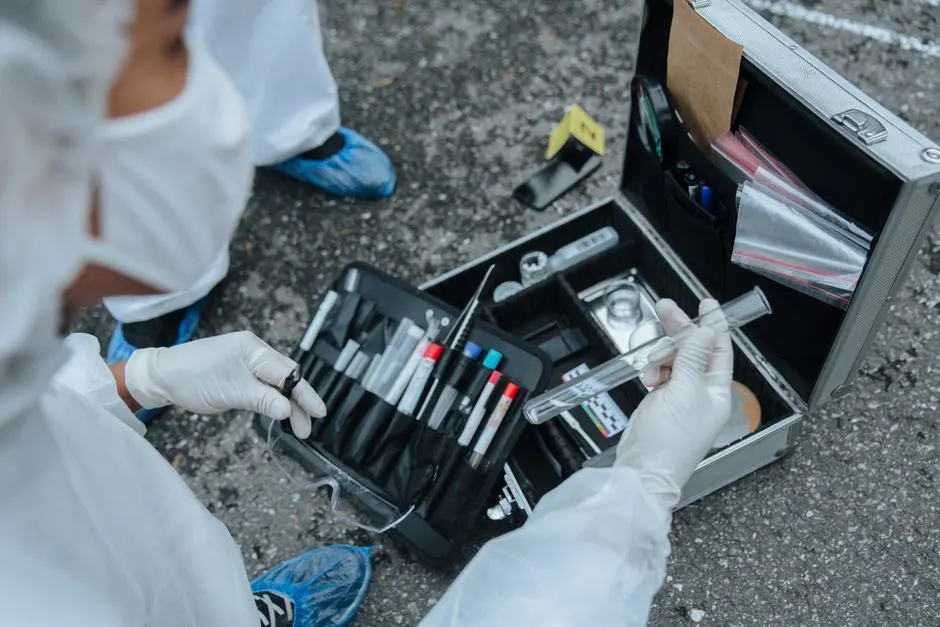
Concern and Site Review
We record the room, visible condition, odor history, and known water events before sampling. This gives each result useful context and helps avoid collecting material that does not answer your question.
Mold Identification and Lab Analysis covers a focused visual and moisture assessment, appropriate sample collection, laboratory submission, and an explanation of the findings. The selected sample count and method depend on your concern and site conditions. Remediation, building-material removal, leak repair, and medical assessment are separate work; we use the findings to help you identify a sensible next step rather than imply that testing alone corrects the source.
We record the room, visible condition, odor history, and known water events before sampling. This gives each result useful context and helps avoid collecting material that does not answer your question.
Accessible materials are checked for dampness where relevant, and visible signs of condensation or water intrusion are noted. These observations help connect suspected growth with conditions that may need repair.
We use an appropriate air or surface method, such as a spore trap cassette, sterile sampling swab, or tape-lift sampling slide. Each sample is labeled with its location and collection method.
Collected material is submitted for the requested analysis. Laboratory microscopy may describe fungal structures or groups, depending on the sample and method. The report is interpreted alongside the inspection notes.
We explain what the findings establish, what they do not establish, and whether source investigation, further sampling, or post-remediation verification is appropriate for your property.
Mold Identification and Lab Analysis Charlotte NC is a diagnostic inspection and laboratory service that examines collected indoor samples to characterize suspected mold and guide a response to moisture problems. We document where samples came from, choose air or surface collection based on the question, and submit suitable material for microscopic review. A report can describe observed fungal structures and, where the laboratory method supports it, identify likely groups or types. It does not by itself establish the source of moisture, determine health effects, or prove that every part of a building is mold-free.
Charlotte's humid summers, rain-driven water intrusion, and winter condensation can leave damp materials behind walls, in crawl spaces, or around HVAC equipment. If you have persistent indoor dampness after a plumbing leak or notice a musty smell without visible growth, a sample can help focus the next inspection. Our mold laboratory analysis Charlotte NC approach pairs collection with moisture observations; for a mold species identification for a home Charlotte NC, the sample must be representative and properly handled.
Mold Identification and Lab Analysis in Charlotte follows a practical sequence: understand the concern, inspect conditions, collect suitable samples, and explain the report. A visit often takes 1 to 3 hours depending on access and sample count; laboratory turnaround is commonly 1 to 3 business days after receipt, subject to the selected method.
Schedule
Call or book online — a real human picks up and confirms a 2-hour arrival window.
Diagnose
Licensed tech inspects on-site, then walks you through the cause and your options.
Fix
The job is completed to code and done right the first time — no shortcuts, no surprises.
Guarantee
Every job backed by a written workmanship warranty — and we stand behind it.
FLIR infrared thermal camera
Shows surface temperature patterns that can direct closer moisture checks around a suspected leak or condensation area. It does not detect mold or replace direct measurement.
Tramex pinless moisture meter
Screens building materials for relative moisture patterns without inserting pins. We use the readings to compare accessible areas and decide where a closer check may be useful.
Protimeter pin-type moisture meter
Measures moisture at contact points in suitable materials. Readings help document dampness near a stain or leak, but material type and probe placement affect interpretation.
Dwyer Instruments air sampling pump
Draws a measured volume of air through a spore trap cassette when air sampling is selected. The cassette is labeled by location and submitted for laboratory examination.
Zefon spore trap cassette
Collects airborne particles for microscopic review after a controlled air sample. The result describes the material captured at that location and time, not every airborne condition in the building.
Targeted surface sampling
We collect from a defined suspect patch with a sterile swab or tape lift when the question concerns visible material. The exact surface and sample method are recorded, then laboratory review helps characterize the collected material. A surface sample does not show how much growth may exist behind the finish.
Air sampling by location
When airborne spores are the concern, we select relevant indoor locations and use a measured collection method. Results are interpreted in context, including the room's use, recent activity, ventilation, and outdoor conditions where a comparison is part of the plan.
Moisture-led inspection
We begin with water history and visible building conditions, then use suitable instruments to check accessible materials. Temperature patterns can guide attention, while direct moisture readings help assess a suspected damp area. These tools locate conditions; laboratory analysis is what examines collected mold material.
Microscopic laboratory examination
A laboratory examines prepared sample material under a microscope and reports findings according to the selected method. Identification detail depends on sample quality and the structures present. We explain reported categories and limitations so you do not mistake a laboratory observation for a complete building survey.
01
What we do: We check the repaired area and nearby finishes for remaining moisture, then decide whether a surface sample or air sample addresses the odor concern. The sample location is documented so the result can be connected to the closet rather than treated as a whole-unit finding.
→ You learn whether the collected material showed mold characteristics and whether the next step is drying verification, access behind a finish, or a separate moisture-source check.
02
What we do: We inspect accessible HVAC components and surrounding surfaces, note indoor humidity conditions, and identify a useful sample location if the evidence supports it. Laboratory results are reviewed alongside the inspection observations rather than used as a stand-alone building score.
→ The manager gets documented findings tied to the reported area and a focused plan for equipment inspection, moisture correction, or additional evaluation.
03
What we do: We inspect the accessible trim and adjacent wall for dampness, consider signs of seepage, and collect a surface sample if identification will help answer the buyer's question. We record the location and discuss the limits of a localized sample.
→ The buyer can distinguish a laboratory finding from visual suspicion and direct follow-up toward the affected material or possible water entry.
04
What we do: We examine accessible roof sheathing and ventilation conditions, checking for a roof leak or condensation pattern. If sampling is appropriate, we collect from the suspect surface and explain how the laboratory result relates to the attic conditions observed.
→ You receive a clearer basis for deciding whether to investigate ventilation, repair a leak, or arrange remediation and subsequent verification.
Mold Identification and Lab Analysis in Charlotte starts with the building condition, not a preset number of samples. Warm, humid months can raise indoor moisture loads, while cold snaps can create condensation on cooler windows, exterior walls, and attic surfaces. In older homes around established neighborhoods, plumbing changes, roof transitions, and crawl-space conditions can complicate the path from a leak to a visible stain. Newer, tightly sealed spaces also need attention to ventilation and HVAC condensate. Our mold sample lab analysis in Charlotte is planned around the affected room, material, and water history. If you are dealing with mold growth after water intrusion, we first consider whether the source has been corrected and whether the material is still damp. We serve Mecklenburg County properties and use ZIP codes such as 28280 and 28282 alongside neighborhood details to plan local access. North Carolina building conditions vary by property; we document what is observable rather than infer a cause from the address alone. Results describe collected samples, so we explain when additional inspection is warranted.
Dilworth
Older homes and additions can have different wall assemblies and plumbing routes. We pay attention to window condensation, past renovations, and moisture patterns around exterior walls.
University City
Condos and commercial spaces can have shared HVAC or plumbing pathways. We label sample locations precisely so a finding from one unit or room is not generalized without evidence.
SouthPark
Large homes may have separate attic, basement, and HVAC zones. We focus samples on the reported area and check whether moisture conditions extend beyond the visible mark.
NoDa
Renovated and mixed-use properties may combine older materials with newer finishes. Sample selection accounts for the surface being tested and any known water event.
Humid summer weather raises indoor moisture loads
Long periods of elevated humidity can affect closets, crawl spaces, and HVAC components. We note current conditions and inspect for damp materials, but a single hygrometer reading is not a seasonal average.
Winter temperature differences create surface condensation
Cool windows and exterior walls can collect moisture when indoor air is humid. That pattern can resemble or support mold growth, so we connect sample findings with ventilation and surface conditions.
Heavy rain exposes roof and foundation water paths
Rain-driven intrusion can wet insulation, trim, or below-grade materials before a stain becomes obvious. We document the affected location and consider whether leak investigation should accompany laboratory identification.
Mold Identification and Lab Analysis helps when a mark, odor, or water history leaves you unsure what is present. For mold lab results for indoor samples Charlotte, the value comes from combining representative collection with room-specific context and a practical explanation.
Problem
The odor may persist while hidden mold growth or damp material remains unnoticed, and repainting or deodorizing does not locate the moisture source.
Our Fix
We inspect accessible surfaces and likely moisture paths, including areas near plumbing, windows, and HVAC equipment. If the observations support sampling, we collect from a location that addresses the concern and explain whether further access or leak investigation is warranted.
Problem
Treating an unconfirmed stain can waste money, while ignoring active growth can leave damp material in place and allow the problem to continue.
Our Fix
We document the affected material, assess moisture, and collect a surface sample when identification would clarify the finding. Laboratory review helps characterize the collected material; we also discuss whether the water source has been corrected and whether the area needs a closer inspection.
Problem
Without a defined sampling question, results may be difficult to interpret, and occupants may not know whether a particular room or source deserves follow-up.
Our Fix
We select sampling locations based on the complaint and building conditions, then use an air sampling pump and suitable collection media where appropriate. We explain the result in relation to the sampled locations and note that a limited set of samples cannot represent every room or time of day.
Problem
Unclear findings can stall a purchase, rental response, or repair plan and lead to conflicting assumptions about the condition of the building.
Our Fix
We maintain clear sample labels and location notes, submit material for analysis, and explain the report in plain language. You can use that documentation to discuss focused follow-up with the relevant property or repair professionals.
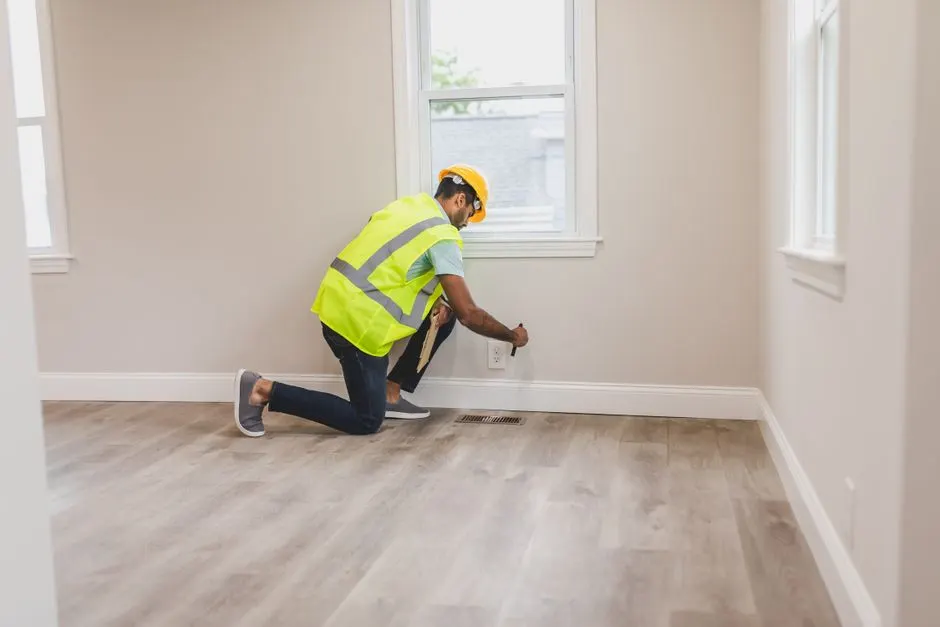
A useful result connects a sample to a room, surface, and moisture condition. We explain what was collected, what the laboratory observed, and what the finding can and cannot establish, so you can make a proportionate decision instead of guessing from color or odor.
Know What Was Sampled
Each sample is tied to its location and collection method, such as an air cassette or surface swab. That record helps you compare a suspect area with an appropriate reference and understand why a result relates to one room rather than the whole property.
Separate Growth From Staining
Dark marks can come from dust, soot, or other material, while mold can appear in different colors. A Charlotte mold identification service uses inspection and laboratory findings together, reducing the risk of treating a stain as confirmed growth or overlooking a concealed moisture source.
Target Moisture Repairs
A laboratory result does not fix a leak, but it can help prioritize where to look. We pair findings with moisture readings and visible conditions, giving you a more focused path for investigating a damp cabinet, attic sheathing, or wall finish.
Support Property Decisions
Buyers, owners, and managers can use documented results to decide whether further inspection or remediation verification is appropriate. For a professional mold sample analysis in Charlotte, clear sample locations and a plain-language explanation make the report easier to discuss with contractors or stakeholders.
Customer feedback Not stated
A homeowner in South End described a clear explanation of the sample locations and what laboratory microscopy could establish. The practical notes about moisture around the window helped direct a follow-up check instead of treating the report as a blanket statement about the entire condo.
Customer feedback Not stated
A Charlotte property manager valued having the room and air-return location documented with the sample. The findings helped separate the odor complaint from assumptions about every office in the building and gave the manager a focused next step for checking condensate.
Customer feedback Not stated
A buyer in Dilworth appreciated that the inspector explained the limits of a surface sample before it was collected. The report helped the buyer ask specific questions about the basement stain and water history rather than relying on appearance alone.
Our Charlotte team approaches identification as a building investigation, not a color-matching exercise. We connect sample selection to moisture, ventilation, material condition, and the reason you called. Training relevant to indoor environmental work includes the principles used by an ACAC Council-certified Indoor Environmentalist and an IICRC Applied Microbial Remediation Technician; credentials are distinct from laboratory accreditation. We explain the difference between a field observation and a laboratory finding, and we avoid claiming that one sample represents every room. That distinction matters when you need defensible information for a home, rental, or commercial space.
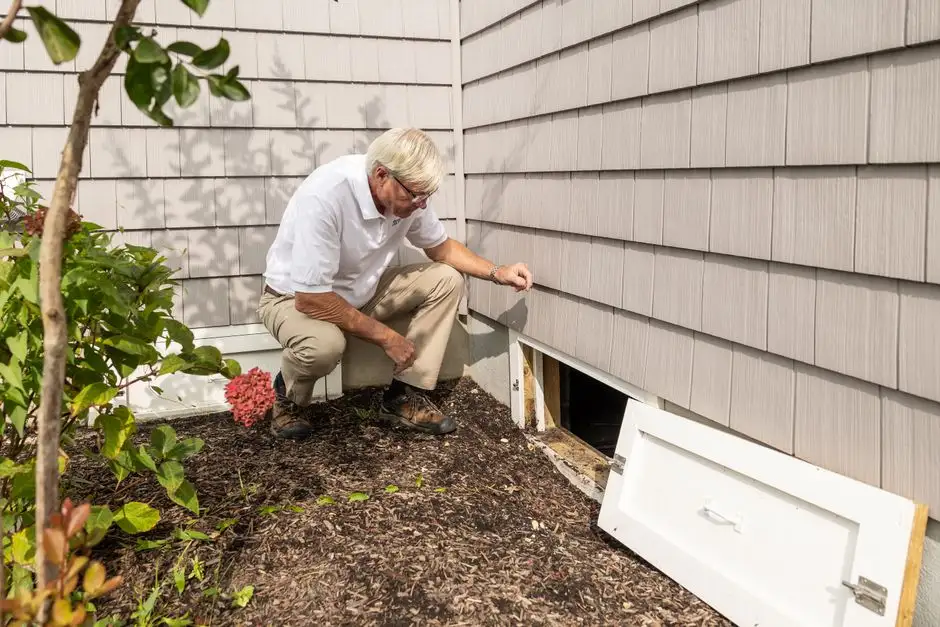
Real answers to the questions we hear most often from local homeowners and property managers.
A home inspection identifies visible growth, moisture patterns, and areas that may need sampling. Pairing it with laboratory identification helps you understand whether a suspect material contains mold and what the finding means for your Charlotte property.
View Residential Mold InspectionCommercial inspections examine affected work areas, building materials, and moisture sources while accounting for access and occupancy. Lab findings can help property managers plan targeted investigation and communicate documented results to tenants or building stakeholders.
View Commercial Mold InspectionSampling gathers air or surface material for a defined question. Laboratory identification interprets the collected material, so this service is a natural companion when visible growth, a musty odor, or a water event needs further assessment.
View Mold Testing and SamplingAir sampling can help evaluate airborne mold spores in selected rooms and compare findings with conditions outside or in another area when appropriate. Lab review adds context, but a single air result is not a complete measure of every hidden surface.
View Air Quality Testing for MoldSurface testing collects material directly from a suspect mark using an appropriate swab or tape lift. Laboratory identification can help distinguish fungal material from a stain, while inspection records the material and moisture conditions around it.
View Surface Mold TestingAn indoor air quality assessment looks beyond one mold sample to consider humidity, ventilation, odors, and other observable conditions. Add laboratory analysis when a specific suspect area or airborne concern needs a closer answer.
View Indoor Air Quality AssessmentCall +1 866-896-8166 to tell us what you have noticed and where the property is located. Our team is available Monday through Friday, 8:00 a.m. to 6:00 p.m., to discuss inspections, sampling, and crawl space concerns across Charlotte, North Carolina. Share any leak history or affected rooms so we can focus the conversation on your property.
Phone
+18668968166Address
Charlotte, North Carolina
Hours
Mon–Fri: 7AM – 7PM
Sat: 8AM – 4PM
Sun: Emergency Only
24/7 Emergency Available