
Veterans Park
Veterans Park is a recognizable Elizabeth reference point. It helps orient directions to nearby neighborhood streets when confirming an appointment address, without implying that proximity to the park creates a mold concern.

Mold Inspection and Testing in Elizabeth is a property assessment that identifies moisture conditions and evaluates suspected mold growth through visual inspection and targeted sampling when needed. Elizabeth's historic homes and established residential streets often include original building materials, tight utility spaces, and crawl spaces that deserve a careful, room-by-room look. We serve properties around Elizabeth Avenue and the streets connecting Elizabeth with Cherry and Commonwealth. Our inspection starts with your concern: a musty room, a past leak, visible spotting, or a buyer's request for more information.
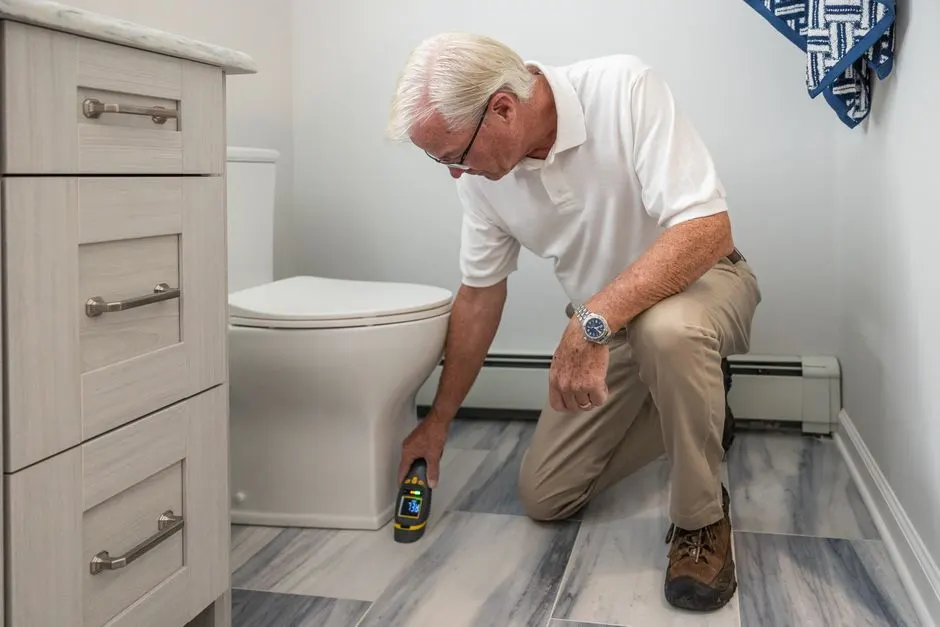
Our mold inspector in Elizabeth, Charlotte checks likely moisture pathways instead of treating every property as if it were built the same way. We use a pin-type moisture meter to compare suspect materials with nearby dry areas, and we consider whether air sampling or a surface sample will answer the question. Elizabeth mold inspection and testing also accounts for healthcare and institutional properties near Presbyterian Hospital, where access, occupancy, and building use shape how an assessment is planned. We explain what we found and what should happen next.
In Elizabeth, inspections often begin with a specific concern rather than a broad request: a recurring bathroom mark, a musty crawl space, or a stain left after water intrusion. We match the service to the question and the building, then explain what the findings mean. If you are searching for Mold Inspection and Testing near me in Elizabeth NC, our local service covers homes, rentals, and commercial properties across the neighborhood, with sampling selected according to visible conditions and the reason for the visit.
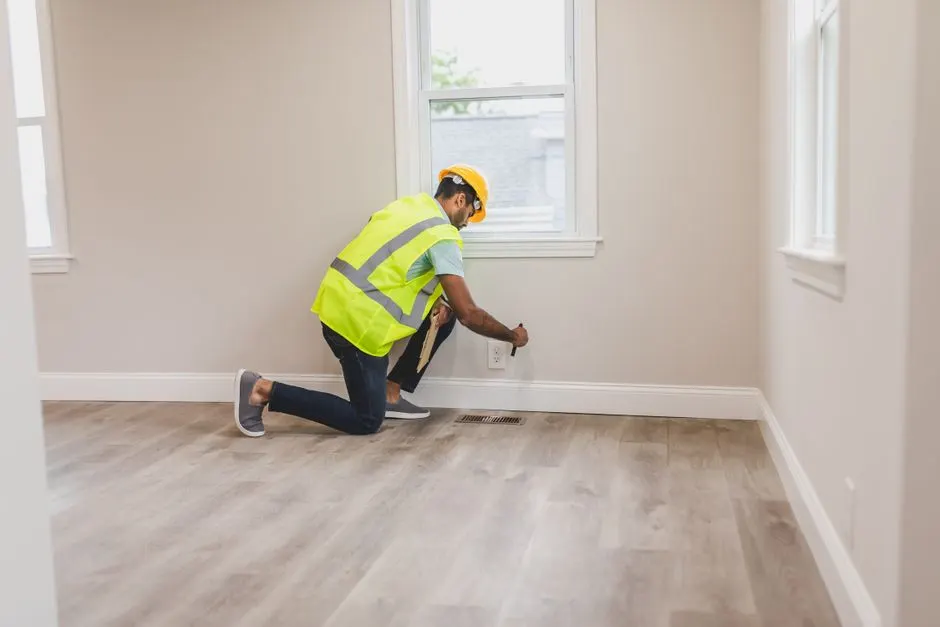



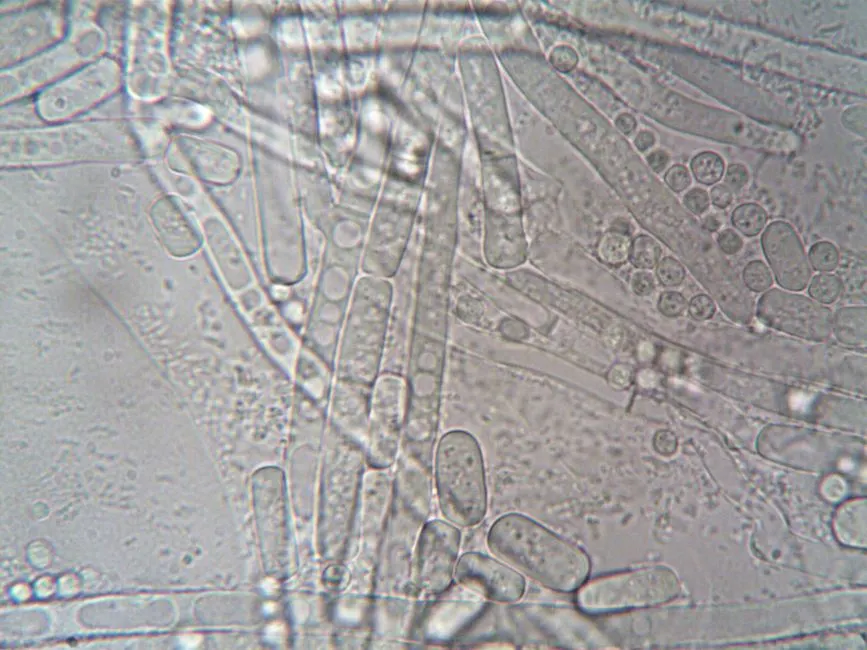



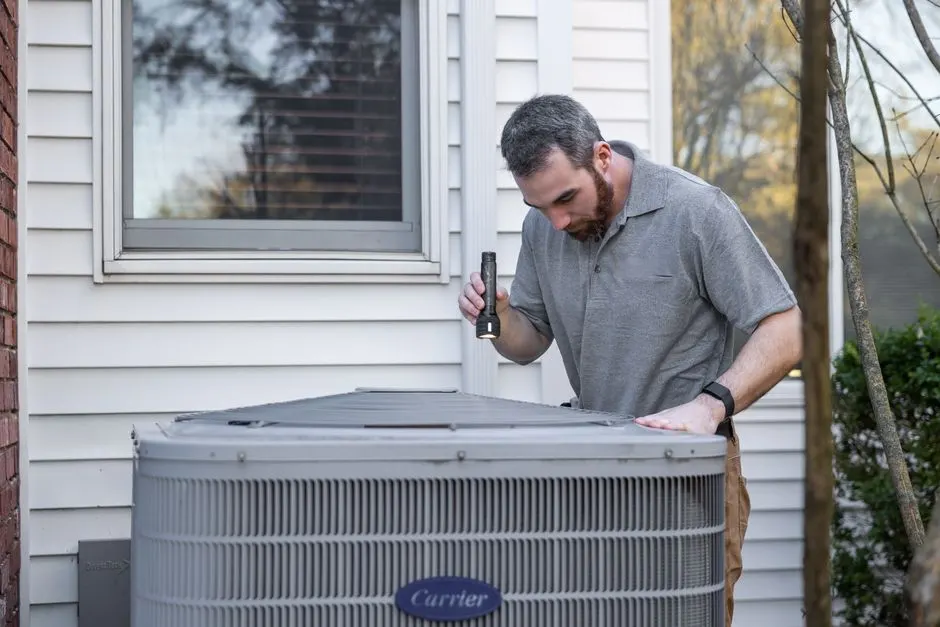






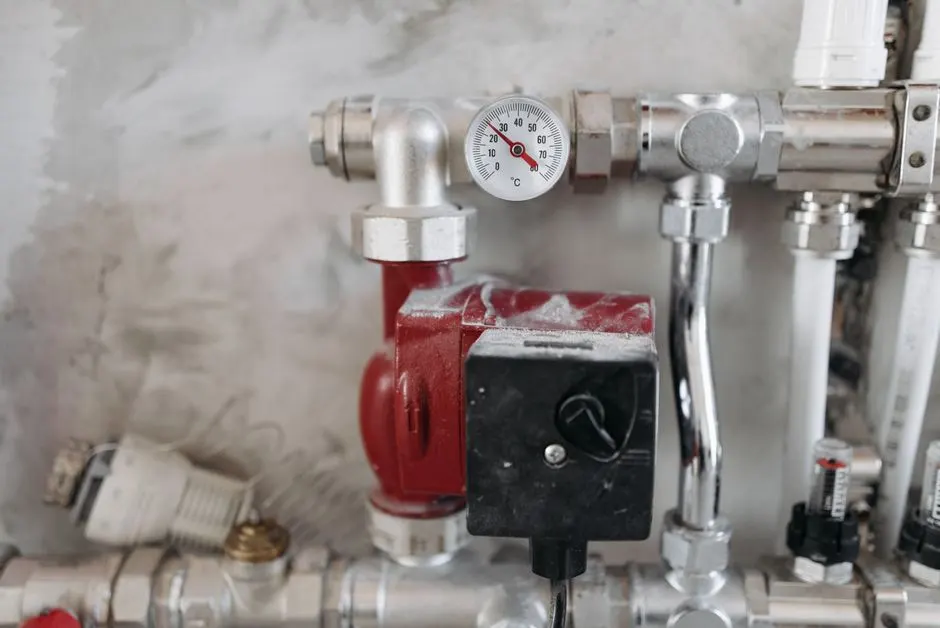

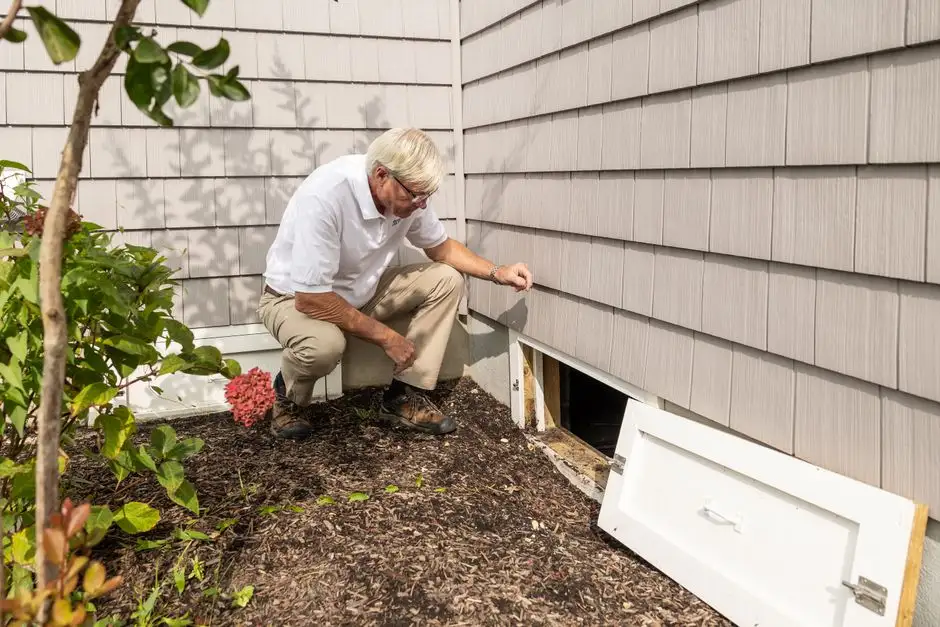
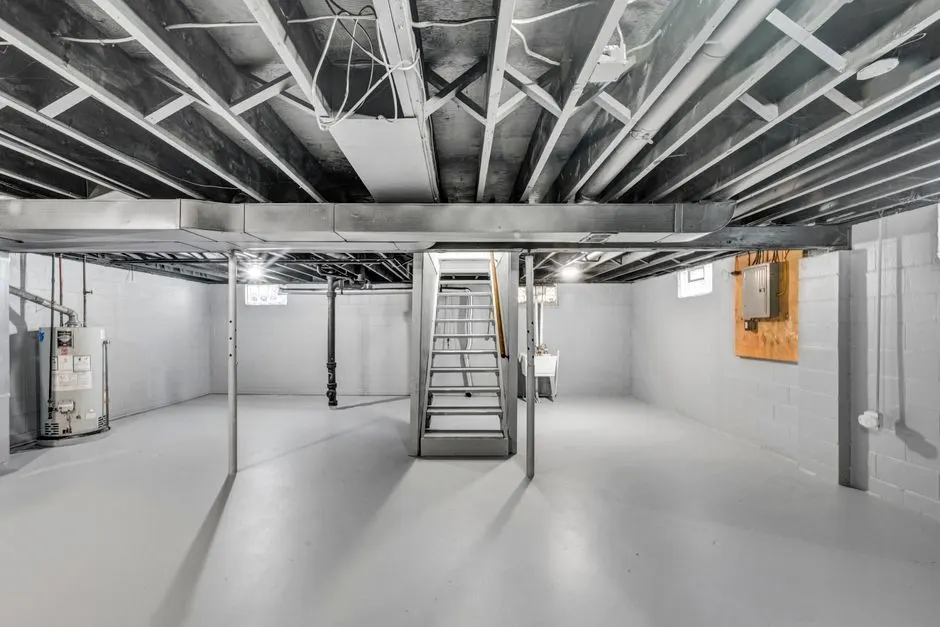
Elizabeth's warm, humid weather can make moisture control important through much of the year, while cool indoor surfaces can encourage condensation. Historic homes and established residential streets include varied repair histories and original materials, and older homes may have crawl spaces that need separate attention. Elizabeth mold inspection and testing looks at how the building is used, where water entered, and whether dampness is ongoing. That keeps the recommendation tied to the cause rather than a generic mold label.
A leak can wet plaster, trim, or the framing behind a finished wall. Older Elizabeth interiors may have layered materials or earlier repairs that make the visible stain an incomplete guide to the moisture path.
Warm humid air, plumbing leaks, or water entry can leave crawl-space materials damp. Older homes may have different ventilation and ground-cover conditions from renovated sections, so one observation does not describe every part of the structure.
Moist indoor air reaching cooler attic surfaces can condense, particularly when ventilation is limited or bathroom exhaust is not properly routed. Seasonal temperature changes can make the pattern more visible on roof sheathing.
Repeated splashing, failed seals, or a past leak can wet adjacent materials without leaving an obvious puddle. Warm, humid conditions can slow drying, and repeated painting may hide rather than resolve a moisture mark.
Call for an Elizabeth inspection when a musty odor persists, a stain returns, or building materials stay damp after a leak. Do not rely on color or smell alone to identify mold; moisture measurements and a visual review help establish what is happening. For mold inspection after water damage in Elizabeth, arrange an assessment once active water is controlled and the area is accessible. In older homes, check related spaces such as the crawl space, attic, and the room on the other side of a marked wall.
Musty odor returns after cleaning
A recurring odor can point to damp material, hidden mold growth, or moisture in a space that was not cleaned. Note the room, time of day, and whether HVAC operation changes the smell. An inspection can compare nearby moisture readings and identify whether a concealed area needs further evaluation.
Ceiling or wall staining keeps spreading
A stain that expands or reappears after painting can indicate an unresolved leak or condensation. In Elizabeth homes with original finishes, the visible mark may not show the full water path. Arrange an inspection promptly if the surface feels soft, wet, or newly discolored.
Crawl-space framing feels damp
Persistent dampness below an older home can affect wood, insulation, and stored materials. Look for wet soil, water marks, or a musty smell at the access opening, but do not enter an unsafe space. A measured inspection helps separate a plumbing leak from broader humidity conditions.
Condensation appears around vents
Repeated moisture around supply registers or ducts may reflect condensation, an HVAC issue, or nearby water intrusion. Mold in HVAC systems and ductwork should not be assumed from dust or odor alone. We inspect accessible components and adjacent surfaces to locate the actual moisture evidence.
Attic sheathing shows dark spotting
Dark marks on roof sheathing can be mold, staining, or another surface condition, and ventilation history matters. If the attic also feels humid or shows condensation, arrange an inspection before disturbing the material. We document accessible areas and identify whether sampling would clarify the finding.
We use familiar landmarks to orient travel through Elizabeth, not as indicators of a property's mold risk. Elizabeth Avenue helps locate the neighborhood's central corridor, while Veterans Park and Elizabeth Park are useful reference points when confirming nearby residential streets. Presbyterian Hospital provides another recognizable orientation point in this part of Charlotte. For commercial appointments, we confirm the property entrance and visitor instructions before arrival, since institutional buildings can have separate access procedures.
Veterans Park is a recognizable Elizabeth reference point. It helps orient directions to nearby neighborhood streets when confirming an appointment address, without implying that proximity to the park creates a mold concern.
Presbyterian Hospital is a well-known institutional landmark in Elizabeth. It can help clarify the general area for a visit, while the exact building entrance and access instructions remain tied to the customer's address.
Elizabeth Avenue is a central neighborhood corridor and a practical orientation reference for nearby addresses. We use the street name to confirm the general route, then follow the exact property address for arrival.
Plus surrounding Mecklenburg County neighborhoods, with same-day routing on most appointments.
As November moves into winter, Elizabeth homeowners should watch for indoor condensation, plumbing leaks, and musty areas that remain closed up. In warmer months, humidity and cooling can affect crawl spaces, bathrooms, and attic conditions. If you are considering affordable home mold assessment near Elizabeth, Charlotte, tell us when the odor or staining appears and whether it changes with heating or air conditioning. A seasonal pattern is useful evidence, but measurements at the property matter most.
Rain and changing temperatures can reveal roof, window, or drainage leaks that were less noticeable during colder weather. Damp crawl spaces and attic staining deserve attention when materials remain wet after a storm, especially in older Elizabeth homes.
Tip: After active water is controlled, photograph the affected area and note when it became wet. We can check moisture readings and the likely water path before repairs conceal the evidence.
Warm, humid air can raise indoor humidity, while air conditioning cools walls and duct surfaces. Condensation may appear near vents or in less ventilated rooms, and crawl-space conditions can become more noticeable during prolonged humid spells.
Tip: Use a hygrometer to track room humidity for several days and note rooms that smell musty. Share those readings with us; they help focus the inspection without replacing on-site measurements.
As outdoor temperatures begin to shift, roof and gutter concerns from summer storms can show up as new ceiling marks. Attics also deserve a visual check for staining or damp sheathing before colder weather changes indoor conditions.
Tip: Check accessible ceilings and attic areas after heavy rain, but avoid disturbing suspected growth. If a mark is new or spreading, arrange an inspection and keep the affected area available.
Cooler outdoor conditions can make condensation more visible on cold surfaces, windows, and poorly insulated areas. Closed windows and reduced ventilation can also make an existing musty odor easier to notice in Elizabeth homes.
Tip: Keep bathroom exhaust operating during showers and report recurring condensation or leaks. If a pipe leak wets a wall or floor, stop the water source and document the area before it dries or is repaired.
Elizabeth is one part of our Charlotte service region, and our team handles related inspection requests in surrounding neighborhoods and districts. We coordinate the same core process across the region: understand the concern, inspect relevant materials, measure moisture, and sample only when useful. Service coverage also reaches addresses in ZIP codes 28209, 28269, and 28262, alongside Elizabeth's 28204 and 28207.
(City)
Uptown Charlotte is directly west of Elizabeth, linking nearby residential calls with the central business district.
View Uptown Charlotte(City)
South End lies southwest of Elizabeth and is part of the same broader Charlotte service region.
View South End(City)
NoDa is north of Elizabeth, with local routes connecting the two Charlotte neighborhoods.
View NoDa(City)
Plaza Midwood is east of Elizabeth and forms a nearby service area for Charlotte property inspections.
View Plaza Midwood(City)
Dilworth is southwest of Elizabeth, within the same citywide service area.
View Dilworth(City)
SouthPark is farther south of Elizabeth and is served through our wider Charlotte coverage.
View SouthParkReal answers from our team for the questions we hear most often before a job starts.
A musty room, recurring stain, or recent leak deserves a clear answer. Charlotte Mold Testing checks the affected materials, records moisture conditions, and recommends sampling when it serves a purpose. We serve Elizabeth and nearby Charlotte neighborhoods, including properties in 28204 and 28207. Call our team to describe what you have noticed and arrange your inspection.
Call +1 866-896-8166 to tell us what you have noticed and where the property is located. Our team is available Monday through Friday, 8:00 a.m. to 6:00 p.m., to discuss inspections, sampling, and crawl space concerns across Charlotte, North Carolina. Share any leak history or affected rooms so we can focus the conversation on your property.
Phone
+18668968166Address
Charlotte, North Carolina
Hours
Mon–Fri: 7AM – 7PM
Sat: 8AM – 4PM
Sun: Emergency Only
24/7 Emergency Available