
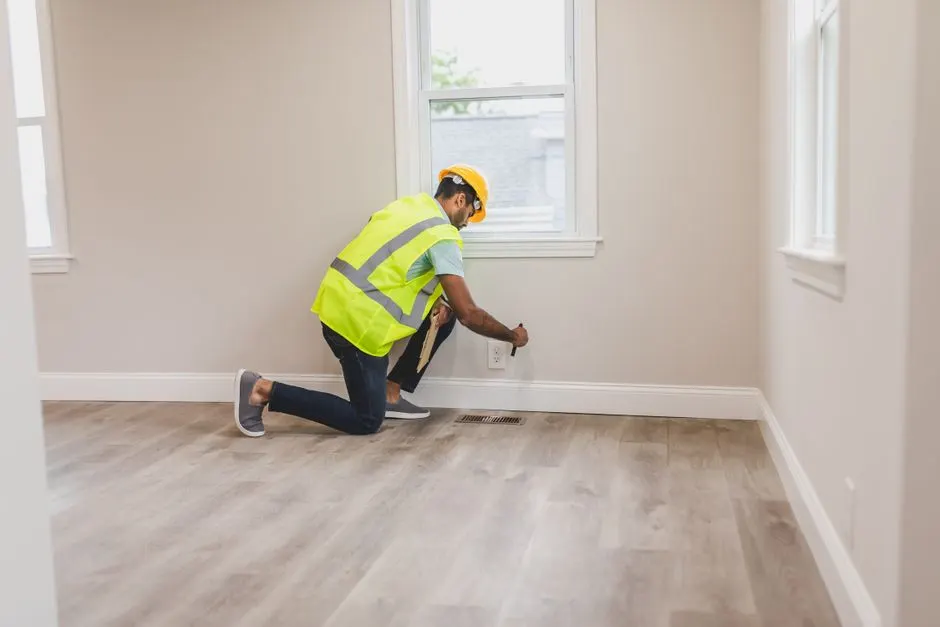
Concern and History Review
We discuss the rooms involved, symptoms, known leaks, past repairs, and how long the issue has been present. Your account helps focus the inspection on likely sources and prevents important details from being overlooked.
Your inspection covers the concerns you identify, accessible visual examination, moisture observations, and an explanation of findings. We record relevant locations and discuss likely moisture sources. Laboratory sampling is an additional step when it answers a defined question; remediation, opening finished walls, and repairs are separate work. We explain the distinction before proceeding so you know what the inspection can establish.
We discuss the rooms involved, symptoms, known leaks, past repairs, and how long the issue has been present. Your account helps focus the inspection on likely sources and prevents important details from being overlooked.
We inspect accessible surfaces and building areas related to your concern, looking for water marks, material damage, visible growth-like deposits, and musty odors. We document the location and condition rather than treating discoloration alone as proof.
We use suitable instruments to assess selected materials and indoor humidity where conditions call for measurement. Readings help identify damp areas for further investigation; they are interpreted alongside construction materials, recent weather, and visible evidence.
If sampling could clarify a specific surface or airborne concern, we explain the collection method and purpose. You learn what the laboratory result can show, how it relates to the inspection, and why sampling every room is not always useful.
We review observed conditions and connect them to practical actions, such as locating a leak, improving moisture control, or arranging appropriate follow-up. Your findings distinguish the inspection observations from any laboratory result or remediation work.
Residential Mold Inspection Charlotte NC is a property inspection that evaluates visible mold-like growth, moisture conditions, and areas where mold may be concealed after water intrusion. We start with your concerns and the home's history, then examine accessible rooms and building components for staining, damp materials, condensation, and musty odors. A hygrometer helps measure indoor humidity, while a pin-type moisture meter checks selected materials. When evidence warrants it, we recommend targeted sampling rather than treating every inspection as a laboratory test.
Charlotte's humid summers, heavy rain, plumbing leaks, and uneven ventilation can leave moisture in crawl spaces, bathrooms, attics, or wall cavities. A home mold inspection Charlotte NC homeowners request is especially useful after a roof leak, a slow supply-line drip, or persistent dampness that returns after cleaning. If you are searching for a residential mold inspection near me in Charlotte NC, we focus on identifying conditions and likely sources, not simply pointing out discoloration.
Residential mold inspection in Charlotte follows a clear sequence: we learn what prompted your call, assess accessible areas, document moisture clues, and discuss whether testing adds value. A typical visit takes about two to four hours, depending on home size, access, and the number of areas involved.
Schedule
Call or book online — a real human picks up and confirms a 2-hour arrival window.
Diagnose
Licensed tech inspects on-site, then walks you through the cause and your options.
Fix
The job is completed to code and done right the first time — no shortcuts, no surprises.
Guarantee
Every job backed by a written workmanship warranty — and we stand behind it.
Infrared thermal camera
We use thermal patterns to guide attention toward temperature differences that may relate to moisture, air movement, or insulation. The image helps direct inspection but does not independently confirm mold or water.
Pin-type moisture meter
A pin-type meter checks moisture at selected points in suitable materials. We use readings alongside visible conditions and explain that material type and location affect interpretation.
Hygrometer
A hygrometer measures indoor relative humidity and temperature during the inspection. Those readings help assess whether excess indoor humidity or condensation conditions could contribute to dampness.
Air sampling pump and spore trap cassette
When air sampling is appropriate, a pump draws a measured air sample through a spore trap cassette. We document the sample location and relate the result to the room conditions and inspection findings.
FLIR infrared camera
FLIR equipment can help visualize surface temperature patterns during an investigation. We verify any suspicious pattern with direct observation or moisture measurement rather than treating thermal contrast as proof of a leak.
Moisture-source-first inspection
We begin with the water history and the areas where symptoms appear, then follow visible clues toward likely sources. This keeps attention on leaks, condensation, and ventilation conditions that can sustain growth. Measurements support the visual inspection; they do not replace judgment about materials and building conditions.
Targeted air or surface sampling
We select samples to address a defined question, such as whether a particular visible deposit contains mold or whether airborne particles warrant comparison. Collection materials are handled and labeled by location. Results are interpreted with the room, weather, ventilation, and inspection observations in mind.
Accessible-area assessment
We examine areas that can be safely and reasonably accessed without opening finished construction. If suspected mold behind walls or finishes remains a concern, we explain what the current inspection establishes and discuss appropriate further investigation. This separates documented observations from conditions that have not been directly seen.
Post-work condition review
After corrective work, a follow-up review checks the area against the concerns recorded during the original inspection. Where clearance sampling is part of the plan, we collect samples from appropriate locations and explain how the results relate to the work area. Moisture control remains central to preventing recurrence.
01
What we do: We inspect the repaired area and nearby materials for lingering moisture, staining, or signs that water travelled beyond the visible leak. We use selected moisture readings and discuss whether surface or air sampling would clarify the remaining concern. The goal is to establish what is still present, not assume the repair solved every affected area.
→ You learn whether the area appears dry, needs further leak investigation, or warrants targeted testing before repainting or replacing finishes.
02
What we do: We examine accessible attic materials, look for moisture patterns and ventilation conditions, and document the stained areas. If findings point to an active concern, we explain whether additional sampling or a roof investigation would answer the buyer's question. Our inspection focuses on evidence relevant to the property and the reported history.
→ The buyer receives practical findings to discuss with the seller, inspector, or repair professional before deciding on next steps.
03
What we do: We assess the bathroom, nearby plumbing, and ventilation clues, then check selected surfaces and materials for moisture. We document observed conditions in a clear format for the owner or manager. If a concealed leak or air concern remains unresolved, we recommend a focused follow-up rather than repeated cosmetic cleaning.
→ The owner has a documented basis for prioritizing maintenance, while the tenant's reported issue is tied to specific locations and observations.
04
What we do: We inspect accessible flooring edges and adjoining surfaces for staining, swelling, and moisture. A pinless moisture meter can screen a wider area before selected points are checked more closely. We identify whether the pattern suggests further water-intrusion investigation and discuss sampling only if it addresses an unresolved concern.
→ You get a clearer picture of the affected area and can address drying, repairs, or additional testing before covering damp materials.
Charlotte's warm, humid summers and periods of heavy rain make moisture control a practical concern for homeowners. In November and winter, cooler surfaces can increase condensation where indoor air meets poorly insulated walls or windows; spring storms and summer humidity bring different leak and ventilation patterns. Our home mold inspection Charlotte NC service accounts for the season, the home's construction, and the reported history. Older homes may have crawl spaces, additions, or repaired materials that need focused attention, while newer airtight homes can hold indoor moisture when ventilation is limited. We inspect accessible areas, check selected readings, and distinguish a water source from a mold-like surface deposit. Mecklenburg County homes also vary widely in roof design and grading, so the same stain can have different causes. If you need to book a home mold inspection in Charlotte, tell us when the issue began and whether any leak or renovation preceded it. That detail helps us focus the visit and explain the evidence clearly.
NoDa
Older homes and updated additions can have different ventilation and plumbing histories. We check the reported area alongside nearby materials so repairs in one section do not obscure a continuing moisture source.
South End
Condensation and HVAC-related odors can be concerns in tightly sealed living spaces. We consider humidity, airflow, and the location where an odor appears before recommending a sampling approach.
Ballantyne
Larger homes can have multiple attic, bathroom, and HVAC zones. We prioritize the areas tied to your symptoms and document which spaces were accessible during the inspection.
Plaza Midwood
Crawl spaces, older plumbing, and past renovations can complicate moisture tracing. We connect visible clues with readings and the home's repair history to identify useful next steps.
Humid summer air and frequent cooling can create condensation on cool building surfaces
When indoor humidity remains high, cool surfaces around vents, windows, or exterior walls may collect moisture. We check the affected locations and indoor readings, then explain whether the pattern points toward humidity control, insulation, or another moisture source.
Heavy rain can expose roof, grading, or crawl-space water entry
Water may travel along framing or flooring before a stain becomes visible, so the nearest mark is not always the entry point. We inspect accessible areas around reported damage and document clues that support a focused leak investigation.
Cool-season temperature differences can encourage window and wall condensation
Condensation may recur when warm indoor air meets a colder surface, especially where airflow is restricted. We assess the location, humidity, and nearby materials to distinguish a recurring surface condition from signs of a concealed leak.
A house mold inspection in Charlotte helps make sense of recurring odors, damp materials, and visible changes that return after cleaning. We trace symptoms to likely moisture conditions, explain where evidence is strong, and identify when a more targeted test is the sensible next move.
Problem
The odor may point to moisture or hidden mold growth behind a finish, allowing damage to continue while repeated cleaning masks the clue.
Our Fix
We inspect the affected wall and nearby areas, look for water marks or material changes, and take moisture readings where suitable. If the accessible evidence cannot resolve the concern, we explain targeted sampling or further investigation. You get a location-specific account of what was observed and what should happen next.
Problem
Persistent indoor dampness can affect materials and comfort, while an unaddressed water or ventilation issue may continue to feed growth below the living space.
Our Fix
We examine accessible crawl-space areas for damp materials, visible growth-like deposits, and signs of water entry. We connect those observations to indoor odor concerns and document moisture readings. The findings help you decide whether drainage, leak correction, or a focused follow-up inspection should come first.
Problem
A roof leak or condensation pattern can damage sheathing and insulation, and attic mold from inadequate ventilation may spread beyond the first visible mark.
Our Fix
We inspect accessible attic surfaces, look for moisture patterns and ventilation concerns, and use an infrared thermal camera when temperature differences help guide the check. We do not treat an image as a mold diagnosis; observations and suitable measurements determine whether further investigation is warranted.
Problem
Repeated surface growth can indicate excess indoor humidity, condensation, or a concealed plumbing leak that cleaning alone will not correct.
Our Fix
We assess the ceiling and nearby plumbing areas, check ventilation clues, and measure moisture where appropriate. If the pattern appears tied to steam, we explain humidity control; if readings suggest a leak, we identify the area for repair investigation. Sampling is considered only when it answers a specific question.

A well-planned inspection turns a musty smell or suspicious stain into a documented set of observations. We help you separate a moisture problem that needs attention from an area that calls for sampling, so your next step is based on evidence.
Find Moisture Sources
We trace signs of dampness toward likely causes such as a plumbing leak, roof entry, condensation, or poor airflow. A pinless moisture meter screens a broader area; a pin-type meter checks selected points more directly. You receive practical findings about where moisture was detected and what should be investigated next.
Check Hidden-Risk Areas
Musty odors and water marks do not always reveal the full affected area. We inspect accessible portions of bathrooms, attic spaces, crawl spaces, and HVAC components, then note concerns such as hidden mold growth or elevated humidity. When a wall cavity needs a closer look, we explain the limits and options before further investigation.
Use Sampling Selectively
Sampling is most useful when it answers a specific question, such as whether airborne spores are elevated or whether a surface has mold-like growth. We select air or surface sampling based on the observed conditions. A house mold inspection in Charlotte is not automatically a test of every room; targeted collection makes results easier to interpret.
Support Your Next Decision
Your findings help you decide whether to correct a moisture source, obtain laboratory analysis, or arrange remediation and later verification. We explain observations in plain language and connect each recommendation to a location in your home. That gives you a usable record for maintenance planning, a real-estate conversation, or follow-up work.
Google ★★★★★4.9
A homeowner in Dilworth described a clear inspection after a bathroom leak, with moisture readings and a direct explanation of which areas needed attention. The review noted that the findings helped guide the repair conversation instead of relying on repeated cleaning.
Yelp ★★★★★4.8
A Charlotte customer shared that the inspector checked an attic stain, explained the limits of thermal imaging, and documented the condition for follow-up. The practical detail made it easier to arrange the right roof investigation.
Google ★★★★★4.9
A homeowner near University City reported a focused crawl-space assessment after noticing an indoor odor. The review highlighted clear communication about moisture findings and useful next steps for addressing the source.
Charlotte Mold Testing approaches each home as a building system: water entry, ventilation, temperature, and material condition all matter. Our team connects visible clues with moisture readings and uses sampling only when it can answer a defined question. We explain the difference between an inspection, laboratory analysis, and post-remediation verification so you know what each step proves. For complex indoor environmental concerns, qualifications such as ACAC Council-certified Indoor Environmentalist or IICRC Applied Microbial Remediation Technician training are relevant credentials to look for in the field.

Real answers to the questions we hear most often from local homeowners and property managers.
When a concern extends from a Charlotte home to a home-based business or adjacent work area, a commercial inspection evaluates the larger occupancy and building systems. We assess the affected zones, moisture sources, and ventilation conditions, then coordinate the investigation around the property's use.
View Commercial Mold InspectionSampling adds laboratory evidence when visual observations alone cannot answer your question. We choose a specific air or surface collection point, document its location, and explain what the result means alongside the home inspection. It is useful for suspected hidden growth or unexplained indoor conditions.
View Mold Testing and SamplingAir testing checks airborne particles in selected rooms and compares results with the inspection context. It can help investigate persistent odors or concerns beyond a visible surface. We consider outdoor conditions, room use, and airflow when planning collection so you get meaningful results rather than an isolated number.
View Air Quality Testing for MoldSurface testing collects material from a particular stain or growth-like area for identification. It complements a residential inspection when you need to know whether a visible deposit contains mold. We record the exact location and pair the result with moisture findings and the condition of the surrounding material.
View Surface Mold TestingLaboratory analysis examines collected samples and reports what was identified in the material submitted. It does not replace a building inspection or locate the water source. We connect the lab report to the specific room, surface, or air sample so your next decision is based on both evidence and context.
View Mold Identification and Lab AnalysisAn indoor air quality assessment looks beyond a single suspected mold spot to consider humidity, ventilation, and other indoor conditions. For Charlotte homeowners with recurring odors or comfort concerns, it can help identify patterns that a room-only inspection might miss and guide more focused follow-up.
View Indoor Air Quality AssessmentCall +1 866-896-8166 to tell us what you have noticed and where the property is located. Our team is available Monday through Friday, 8:00 a.m. to 6:00 p.m., to discuss inspections, sampling, and crawl space concerns across Charlotte, North Carolina. Share any leak history or affected rooms so we can focus the conversation on your property.
Phone
+18668968166Address
Charlotte, North Carolina
Hours
Mon–Fri: 7AM – 7PM
Sat: 8AM – 4PM
Sun: Emergency Only
24/7 Emergency Available