
Romare Bearden Park
The park is a recognizable Uptown orientation point near the central street grid. Naming it can help clarify which side of the area an address is on, but the inspection destination remains the property's exact entrance.
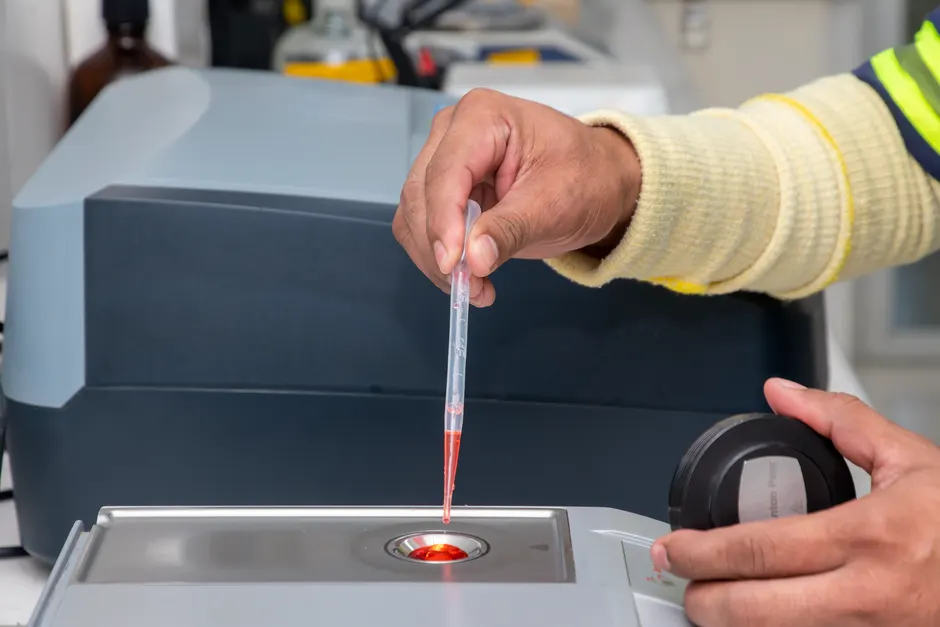
Mold Inspection and Testing in Uptown Charlotte is an indoor environmental assessment that locates moisture conditions, evaluates suspected mold, and uses sampling when evidence needs laboratory analysis. Charlotte Mold Testing works with homes, rental units, offices, and mixed-use properties across Uptown, where dense high-rise and mixed-use building stock sits beside older commercial buildings and newer towers. The construction mix matters: water can travel beyond the visible stain, and a leak in one unit can affect finishes or shared spaces elsewhere.
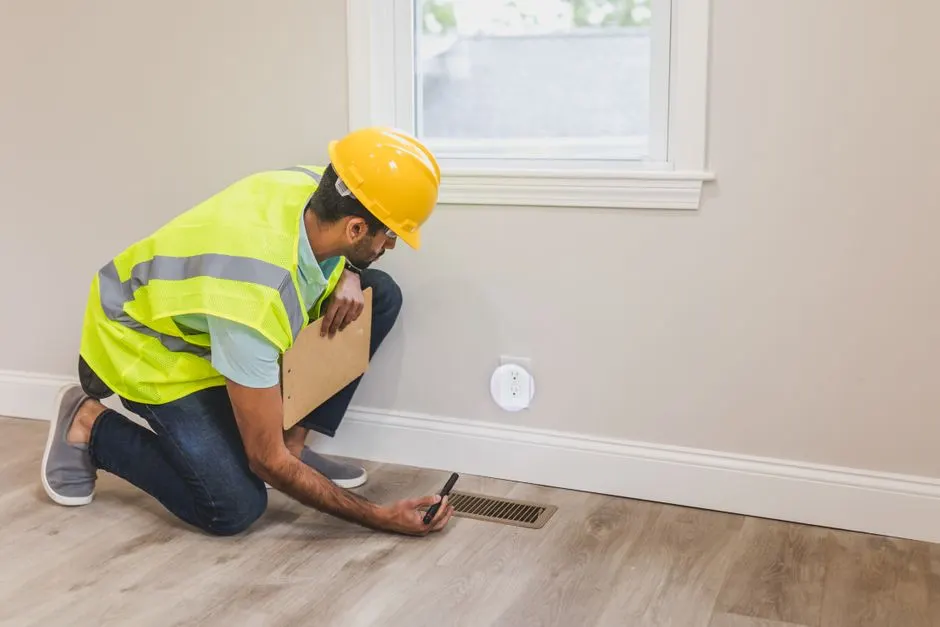
Our mold inspector in Uptown Charlotte, Charlotte, starts by asking what changed, where you see staining or smell a musty odor, and whether a leak or condensation event occurred. We inspect accessible areas, check moisture in suspect materials, and explain whether air or surface sampling would answer a specific question. In Fourth Ward Historic District, older finishes and renovations call for careful, targeted checks rather than assumptions based on appearance alone.
We serve ZIP codes 28202 and 28204 within Uptown and connect those visits with nearby Charlotte addresses. You'll receive findings in plain language, including sample locations and practical next steps. If elevated airborne mold spores are suspected, we discuss sampling before collecting anything; testing is most useful when it addresses a defined concern.
Mold Inspection and Testing Uptown Charlotte NC covers targeted residential and commercial checks, sampling, moisture investigation, and clearance testing. A Mold Inspection and Testing near me in Uptown Charlotte NC search often follows a leak, musty odor, unexplained staining, or a real estate deadline. We first establish the concern and inspect relevant areas; then we recommend testing only when it can help identify mold or clarify indoor conditions. In towers and mixed-use buildings, access coordination and unit boundaries are part of planning the visit, not an afterthought.
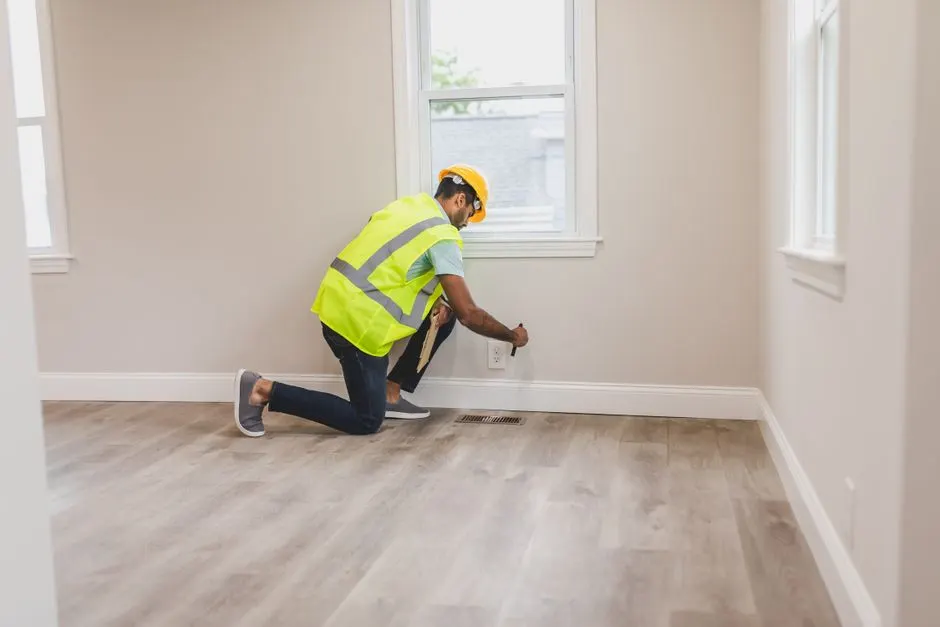
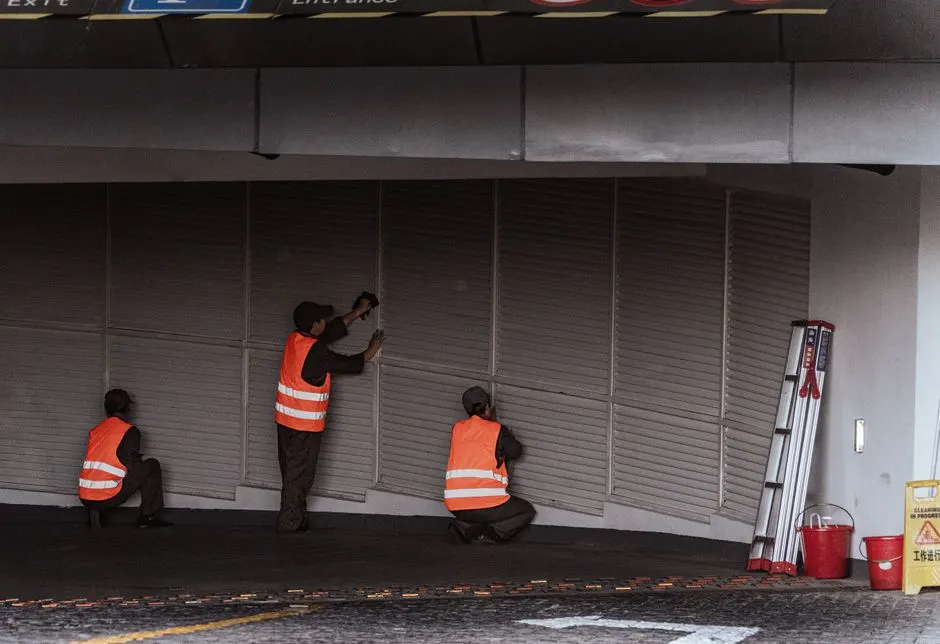
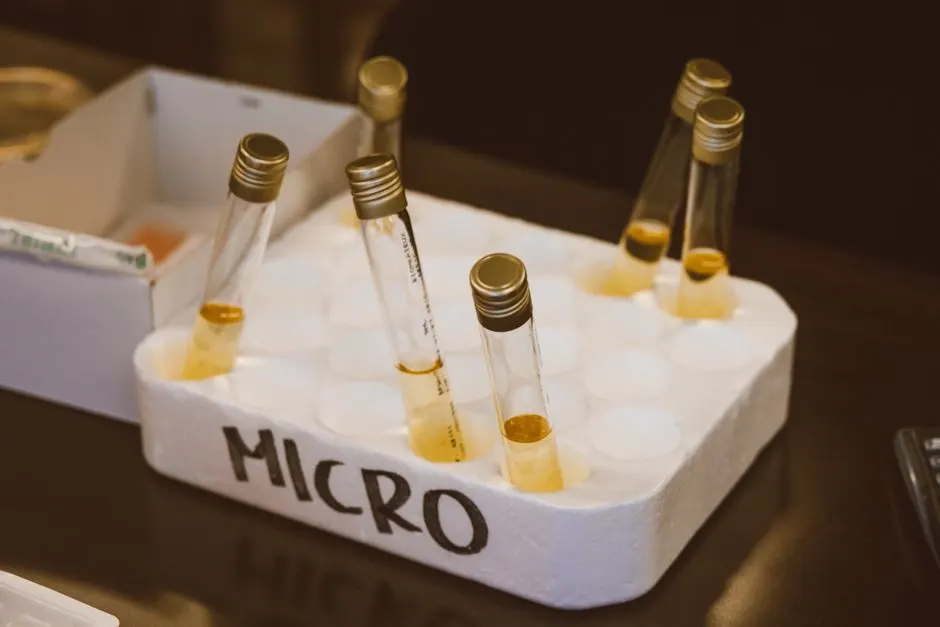
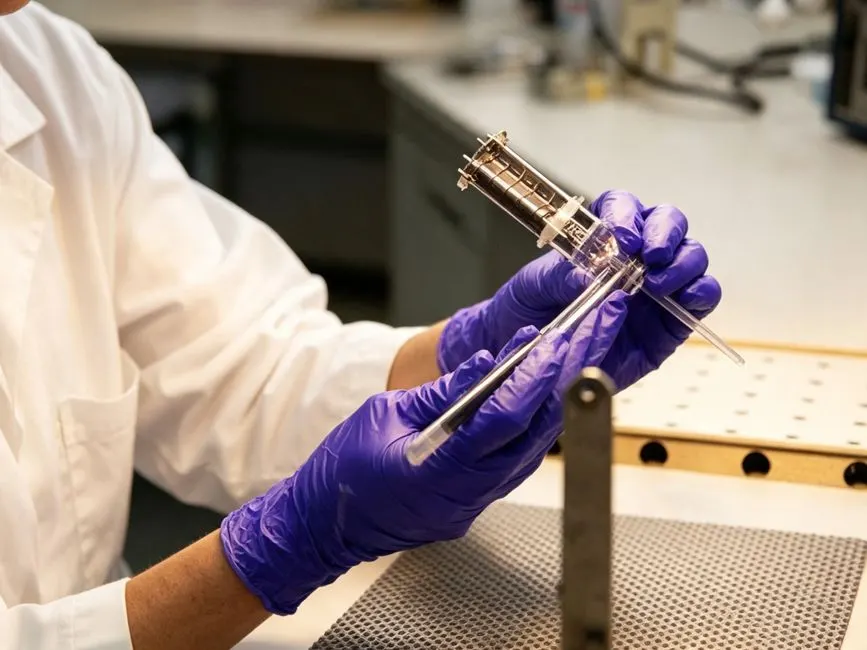
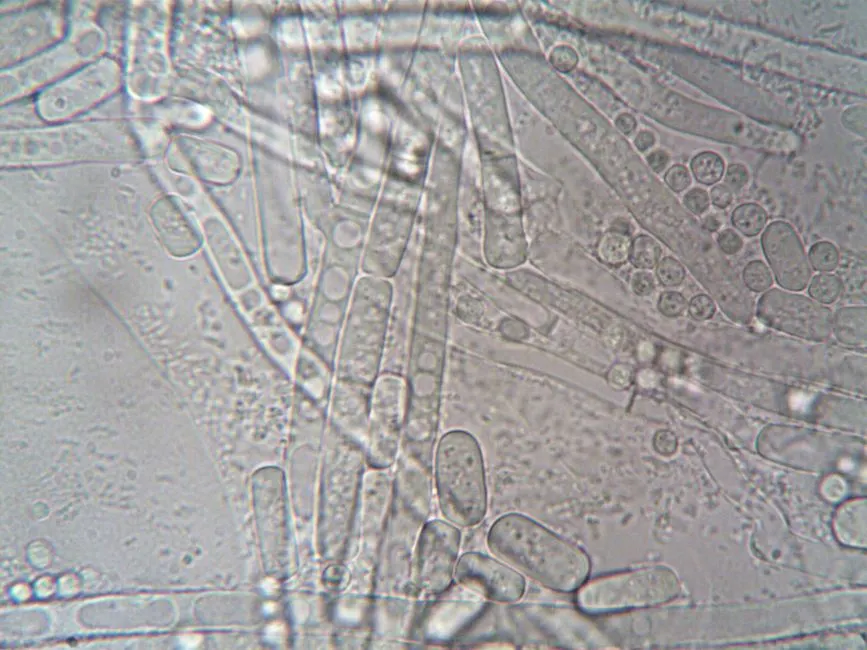
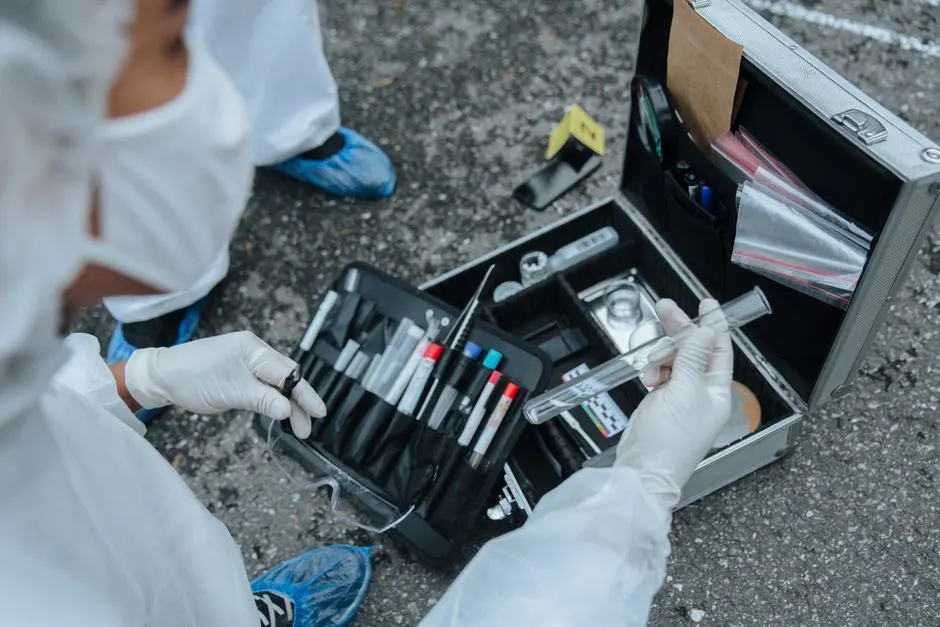


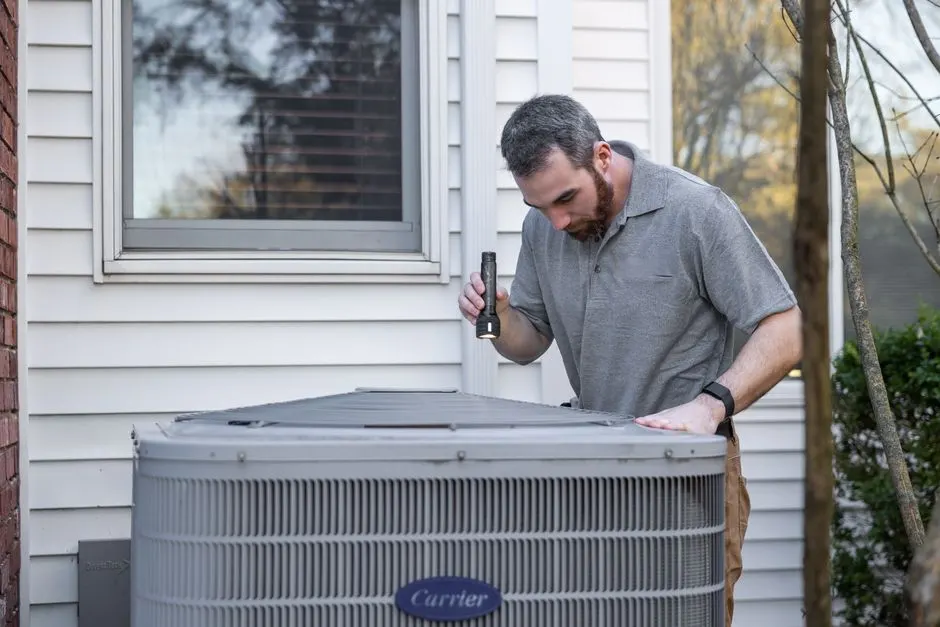

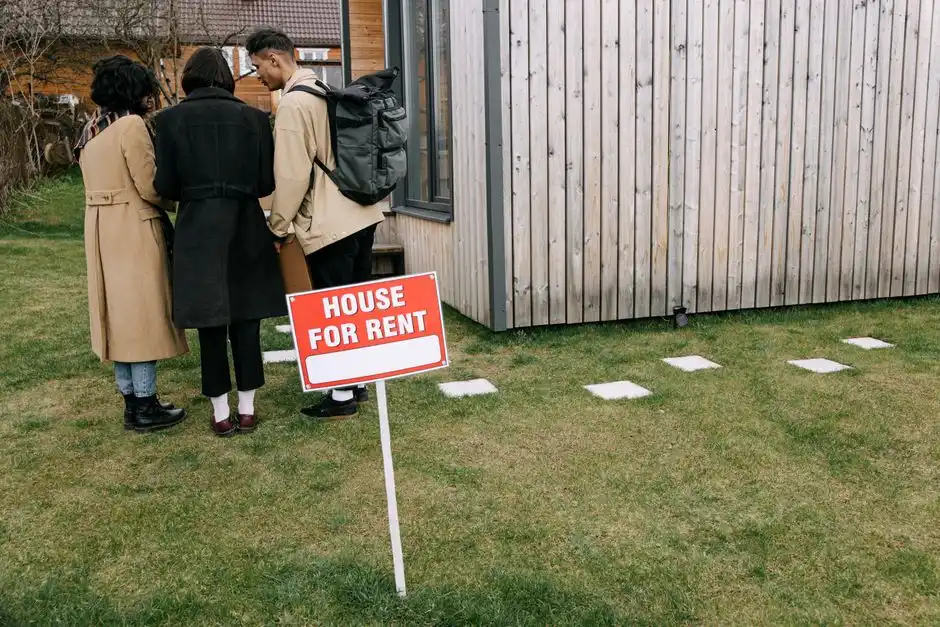
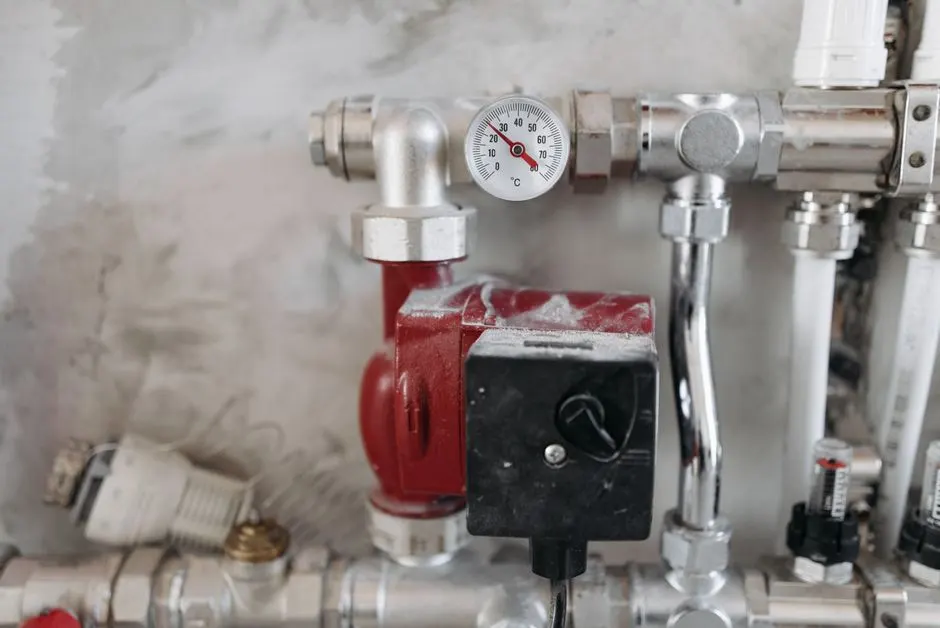
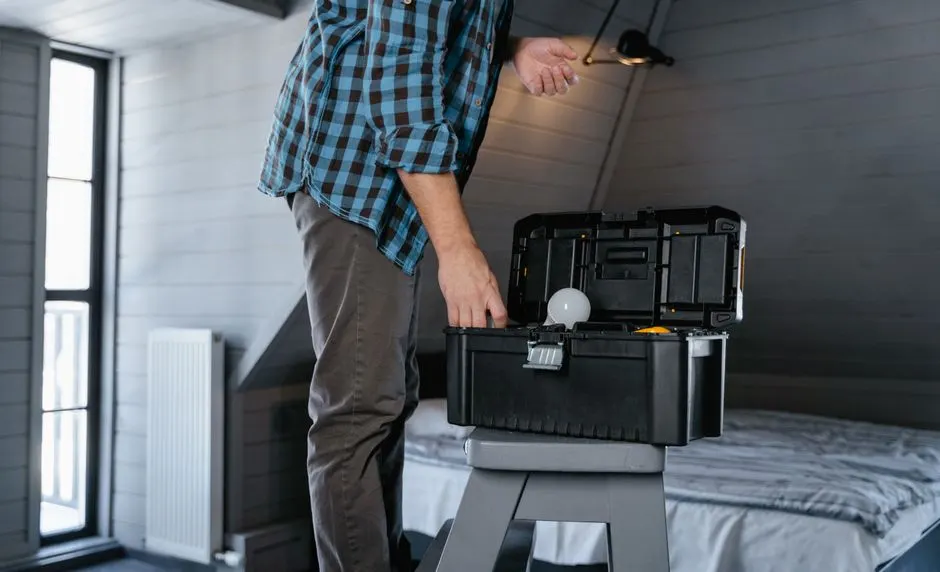
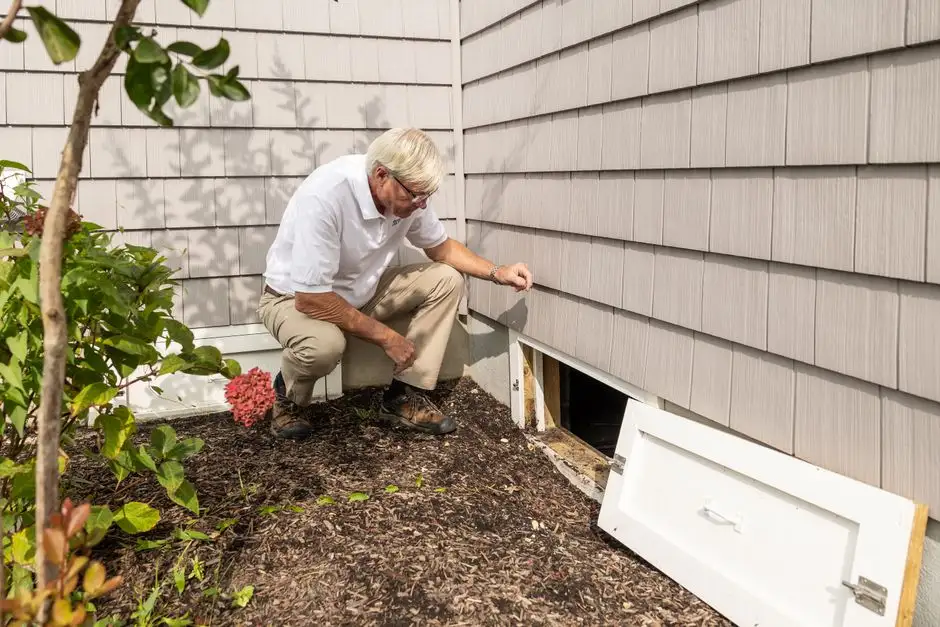
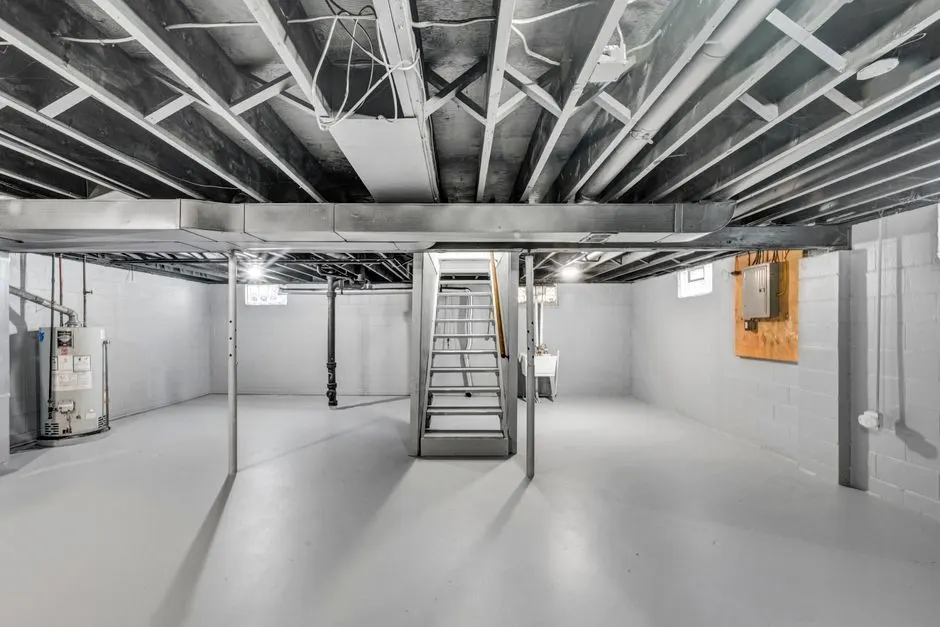
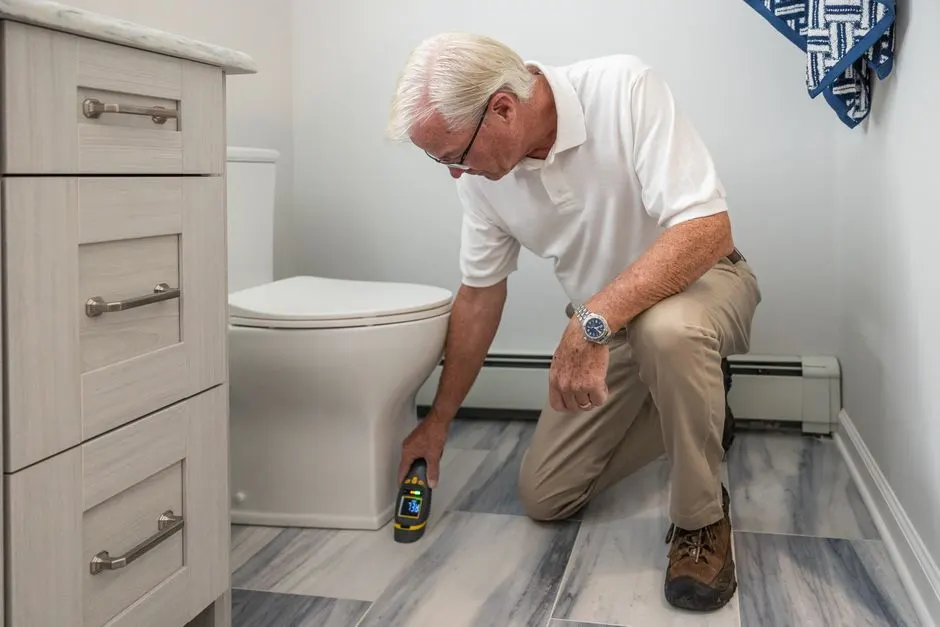
Mold Inspection and Testing Uptown Charlotte NC often addresses moisture pathways rather than mold alone. Humid subtropical summers can raise indoor humidity, and condensation on building surfaces may persist where airflow is limited. Older commercial buildings coexist with newer towers, producing different wall, roof, and mechanical layouts. Stormwater and plumbing leaks can affect below-grade spaces, while shared walls and stacked units make source tracing important. We inspect the building in front of us, document accessible evidence, and use sampling only to answer a clear question.
A small leak can keep drywall, cabinetry, or flooring damp without leaving a large visible pool. In multi-unit buildings, concealed plumbing and shared boundaries can make the wet area larger than the first stain suggests. Humidity may slow drying once moisture is trapped.
Water intrusion can disturb or support growth when affected materials stay damp. Airborne levels vary by location, activity, and conditions during collection, so a single number needs context. An odor or recent leak alone does not establish that spores are elevated throughout a building.
North Carolina's humid subtropical summers can bring high outdoor moisture, while cool surfaces and limited air movement can lead to condensation indoors. Bathrooms, closets, and perimeter walls may remain damp longer after everyday moisture or a minor leak.
Older commercial buildings and newer towers have different ventilation and mechanical arrangements. Roof leaks, poor ventilation, condensate drainage issues, or changes to a system can create localized dampness. A musty smell does not by itself confirm contamination in ductwork or an attic.
Call for Mold Inspection and Testing in Uptown Charlotte when you have visible growth, a persistent musty odor, recurring condensation, or a water event followed by damp materials. If you are deciding whether to arrange mold inspection after water damage in Uptown Charlotte, share when the leak happened, what was dried, and which rooms are affected. Those details help us prioritize the inspection. In a managed building, report active leaks to the property contact as well; our assessment documents moisture and suspected mold, not a plumbing repair.
Musty odor returns after cleaning
A recurring odor can point to hidden mold growth or persistent indoor dampness behind a finish, under a cabinet, or near an HVAC component. Cleaning the visible surface may not address the moisture source. Arrange an inspection soon, especially if the odor returns after the area is dry.
Water stain grows or changes color
A stain that expands, darkens, or feels damp suggests continuing moisture rather than an old dry mark. In a tower, the source may be above or behind the visible area. Report an active leak promptly and have the affected materials checked before repainting or closing the finish.
Condensation appears repeatedly indoors
Repeated condensation on windows, pipes, or cool building surfaces can signal excess indoor humidity or a temperature difference that keeps materials wet. A hygrometer reading and moisture checks help distinguish a brief event from a persistent pattern. Address repeated wetness before it supports growth.
Odor begins when HVAC runs
A musty smell that appears with system operation deserves a focused look at accessible HVAC components and nearby surfaces. Mold in HVAC systems and ductwork should not be assumed from odor alone. Inspection can determine whether there is visible moisture, residue, or a reason to sample.
Prior leak left concealed dampness
A repaired pipe or ceiling leak can leave moisture in adjacent materials even when the visible drip has stopped. If the area was not checked during drying, readings can help determine whether dampness remains. Schedule an assessment before replacing finishes or relying on a coat of paint.
We use well-known Uptown landmarks as orientation references when confirming an address, not as claims about service at the landmark itself. Romare Bearden Park and Bank of America Stadium help distinguish nearby street areas, while the Charlotte Convention Center anchors the southern part of central Uptown. Before arrival, we confirm the building entrance and suite or unit because a nearby landmark does not identify a private access point. Street, parking, and entry directions from you keep the visit focused.
The park is a recognizable Uptown orientation point near the central street grid. Naming it can help clarify which side of the area an address is on, but the inspection destination remains the property's exact entrance.
The stadium is a prominent western Uptown landmark and a useful reference when locating nearby addresses. Event activity can affect street access, so an exact building entrance and arrival instructions are more useful than a landmark alone.
The convention center is a recognizable southern Uptown reference point. It helps orient visitors to the surrounding central district, while building-specific directions remain necessary for a residence, office, or managed property.
Plus surrounding Mecklenburg County neighborhoods, with same-day routing on most appointments.
Averaging 4.9 / 5 across verified reviews.
“We called after finding a damp patch beside our Fourth Ward condo closet. The inspector checked the wall and nearby floor, explained which readings mattered, and did not tell us the stain alone proved mold. The report separated what was measured from what could not be seen behind the finish. That made it easier to speak with building management about the plumbing repair.”
Megan R.
Fourth Ward
“Our Uptown office had a recurring odor after a ceiling leak. The team worked around our room schedule, checked the affected area, and explained why a targeted sample was more useful than testing every room. We received the sample locations and findings in plain language, which helped us decide what to discuss with the property manager next.”
David L.
Second Ward
“Before buying a First Ward condo, we wanted the bathroom and old leak area checked. The inspection was focused and included moisture readings rather than just a quick visual pass. The inspector explained the difference between a surface sample and an air sample and left us with clear next steps. We appreciated the straightforward answers and organized documentation.”
Priya S.
First Ward
November brings cooler weather and the start of the winter heating season, when indoor moisture can show up as condensation on cooler surfaces. Across the year, humid subtropical summers raise indoor humidity, and spring storms or summer downpours can expose leaks and drainage issues. If you need air quality mold testing Uptown Charlotte NC, tell us when symptoms or odors occur and whether windows, HVAC, or occupancy patterns have changed. Season helps frame the inspection, but the building's moisture history determines where we look.
Spring rain can reveal roof, window, or plumbing leaks that were not obvious during drier periods. Damp materials in a closet or below-grade room may retain moisture after the weather clears. Check for new staining and odors after significant water entry rather than waiting for visible growth.
Tip: Photograph changes and note when the area became wet. If a leak is active, contact the responsible property or plumbing professional promptly, then arrange moisture assessment once access is safe.
Humid subtropical summer weather can raise indoor humidity, especially when air movement is limited or cooling systems are not draining as intended. Condensation on cool surfaces and persistent bathroom dampness deserve attention. A musty odor that returns after cleaning points to a condition worth checking.
Tip: Use a hygrometer to track indoor humidity over several days and note rooms where condensation appears. Share those readings and HVAC operating details during an inspection request.
Fall weather shifts can make prior roof or plumbing leaks easier to notice as buildings change between cooling and heating. Leaves and stormwater can also coincide with drainage concerns, though a specific source must be verified at the property. Inspect old stains before covering them with paint.
Tip: Before closing windows for cooler weather, look for damp patches around ceilings, exterior walls, and lower-level spaces. Record any repair dates and ask whether materials were dried or replaced.
In winter, cooler windows, exterior walls, and pipes can develop condensation where indoor humidity and surface temperatures meet. Heating may dry some areas while concealed dampness remains elsewhere. A new musty odor after a leak warrants a moisture check even if the room feels warm.
Tip: Keep furniture from blocking airflow at known damp spots and report recurring condensation to the property contact. If a pipe leak occurs, document the affected areas and arrange inspection after the water source is controlled.
Uptown is the center of our Charlotte service area, and we also serve nearby neighborhoods and districts. If your property sits just beyond the Uptown boundary, we can still help determine the right inspection service and coordinate a visit. ZIP codes 28280 and 28282 are among the Charlotte ZIP codes in our wider service footprint, alongside 28209; service coverage extends beyond Uptown into the connected Charlotte neighborhoods listed here.
(City)
South End lies directly south of Uptown, making it a neighboring part of the same central Charlotte service area.
View South End(City)
NoDa is northeast of Uptown and connects to central Charlotte through the city's northward street and transit network.
View NoDa(City)
Plaza Midwood sits east of Uptown and is a nearby Charlotte district served alongside central properties.
View Plaza Midwood(City)
Elizabeth is east of Uptown, close enough to coordinate with central Charlotte service visits.
View Elizabeth(City)
Dilworth borders the central area south of Uptown and shares practical service access with nearby neighborhoods.
View Dilworth(City)
SouthPark is farther south than Uptown but remains part of Charlotte Mold Testing's broader Charlotte service region.
View SouthParkReal answers from our team for the questions we hear most often before a job starts.
If a leak, musty odor, or suspicious stain is disrupting your Uptown home or workplace, call Charlotte Mold Testing at +1 866-896-8166. Tell us the building, unit or suite, and what changed; we will help identify the right inspection and sampling approach. Our team serves Uptown Charlotte and Mecklenburg County with focused moisture checks and clear findings. Call now to arrange your inspection.
Call +1 866-896-8166 to tell us what you have noticed and where the property is located. Our team is available Monday through Friday, 8:00 a.m. to 6:00 p.m., to discuss inspections, sampling, and crawl space concerns across Charlotte, North Carolina. Share any leak history or affected rooms so we can focus the conversation on your property.
Phone
+18668968166Address
Charlotte, North Carolina
Hours
Mon–Fri: 7AM – 7PM
Sat: 8AM – 4PM
Sun: Emergency Only
24/7 Emergency Available