
The Plaza
The Plaza is a principal neighborhood street and a practical reference when locating nearby residential addresses. It helps distinguish the Plaza Midwood area from adjacent Charlotte neighborhoods during route planning.

Mold Inspection and Testing in Plaza Midwood is an indoor environmental assessment that checks for moisture conditions and evaluates whether mold sampling is needed. Charlotte Mold Testing serves homes and businesses in Plaza Midwood, Commonwealth, Midwood, and nearby Elizabeth, with inspections focused on the building materials and water history at the property. Historic bungalows and early twentieth-century homes often have concealed cavities, crawl spaces, and plumbing systems that need a measured, room-by-room approach rather than a quick surface check.
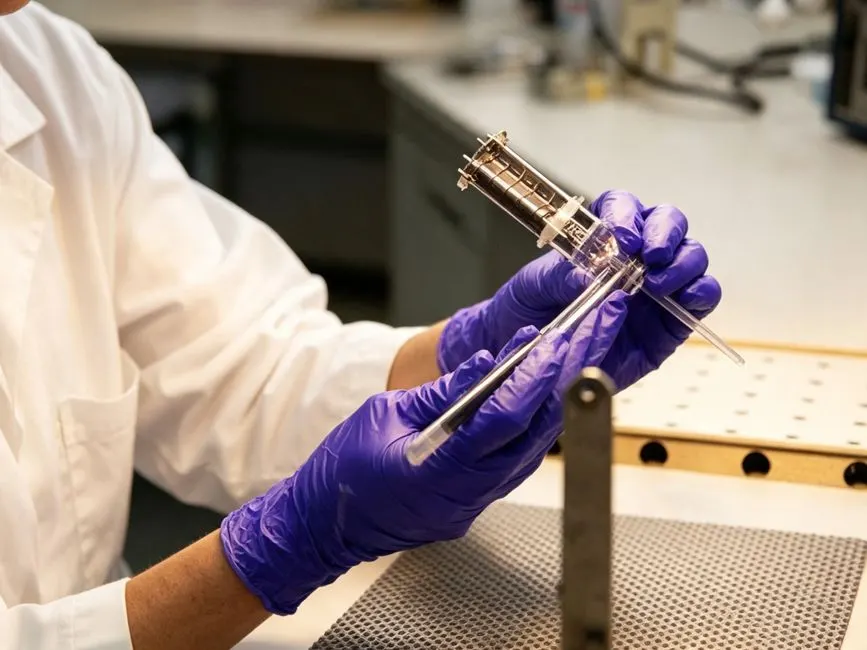
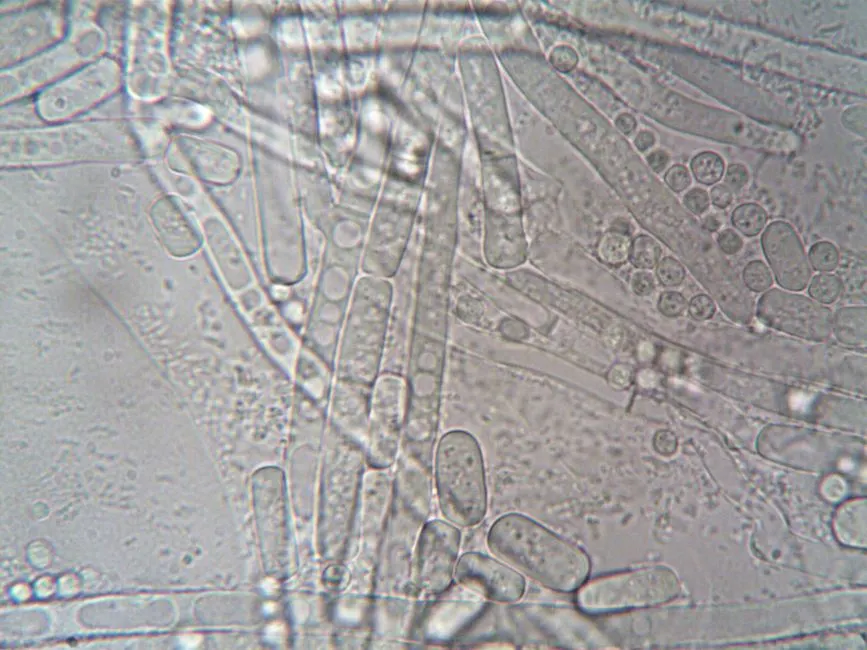
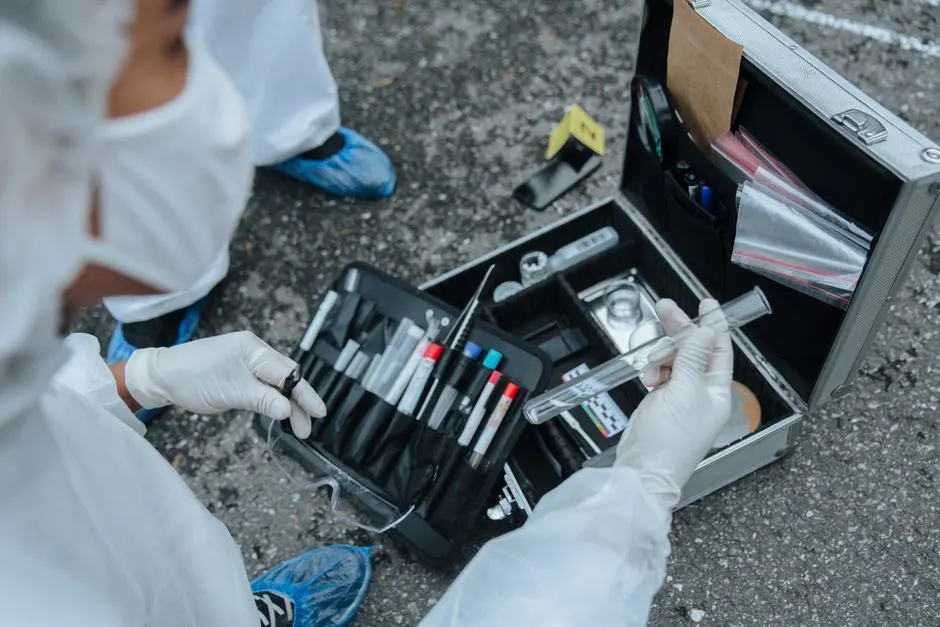
Our mold inspector in Plaza Midwood, Charlotte, starts by discussing what you have seen: a musty odor, a past leak, staining, or persistent dampness. We check accessible areas, use moisture readings to guide further inspection, and explain the limits of each test. Where conditions support sampling, we collect appropriate air or surface samples for laboratory analysis. You receive findings that connect observed conditions, measurements, and sample results, so the next step is based on evidence rather than guesswork.
We cover properties in ZIP codes 28204 and 28205 and coordinate service across Mecklenburg County, North Carolina. Whether you are buying a home, managing a rental, or tracking down moisture after a plumbing leak, we tailor the inspection to the question you need answered.
Plaza Midwood properties range from older detached homes to renovated spaces and neighborhood businesses, so testing starts with the concern rather than a preset sample count. We discuss moisture history, inspect accessible areas, and decide whether air or surface sampling will answer your question. If you are searching for Mold Inspection and Testing near me in Plaza Midwood NC, we can help you establish whether the issue points to a leak, humidity, or possible mold growth and what evidence to gather next.
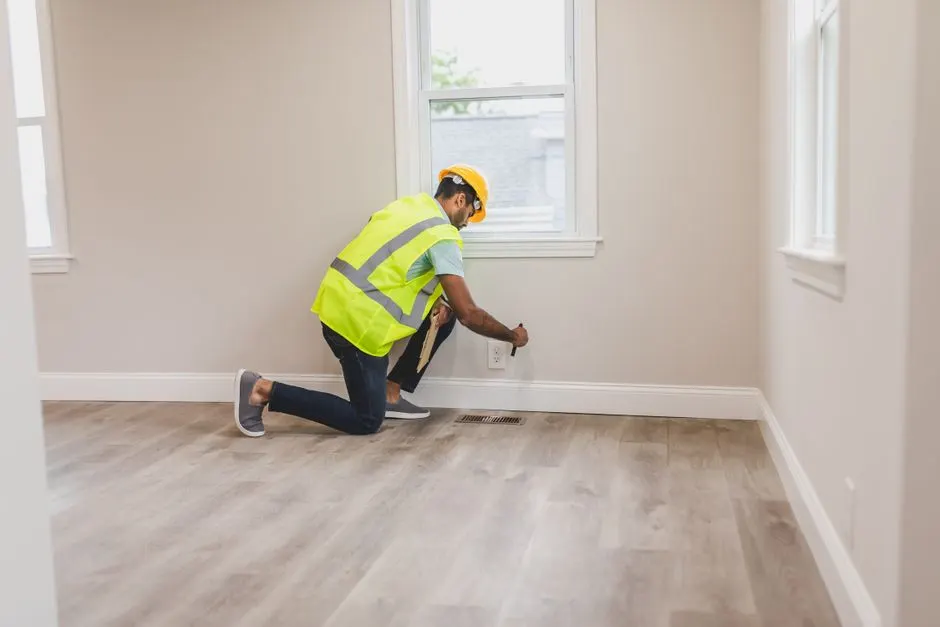



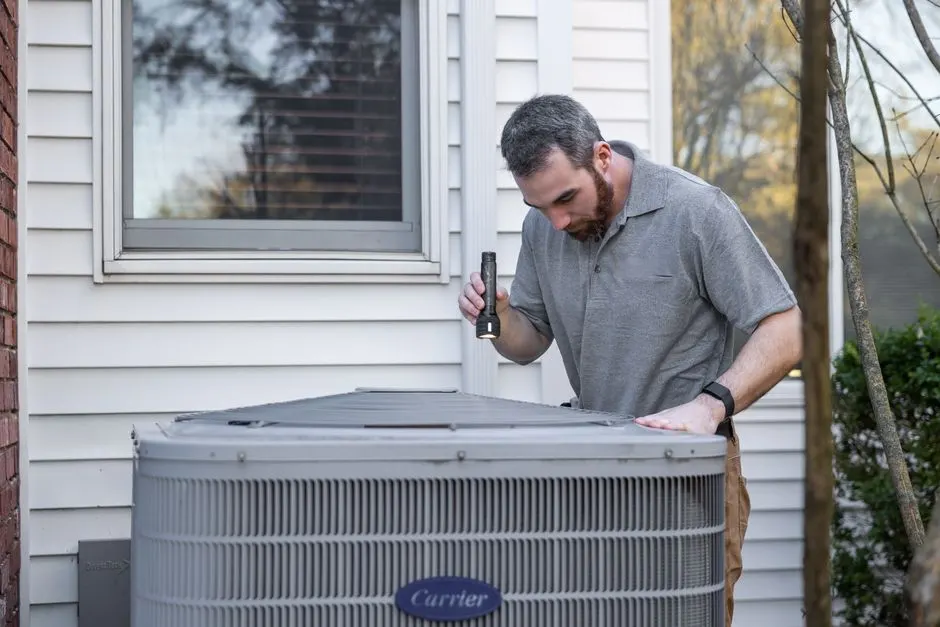

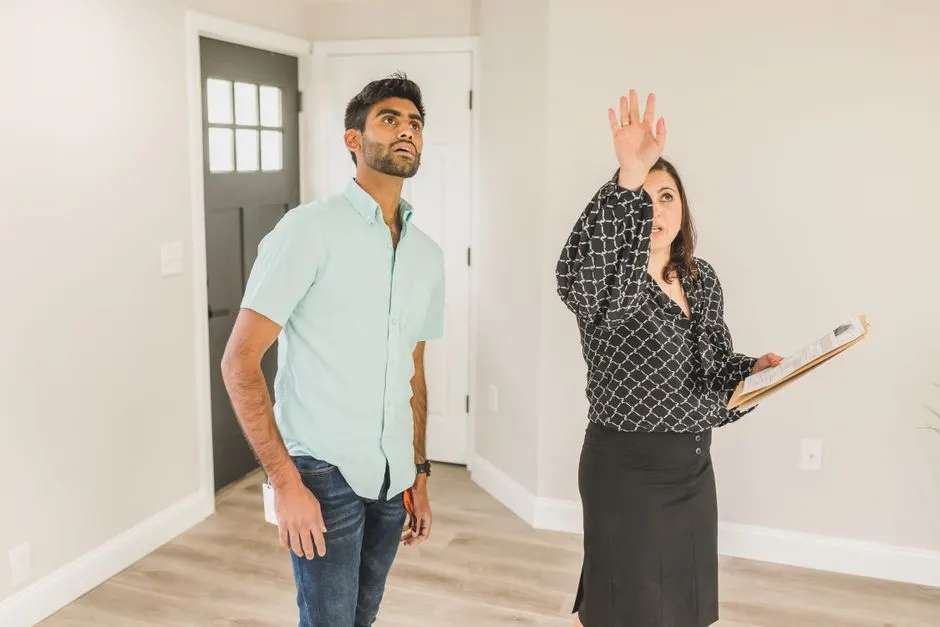
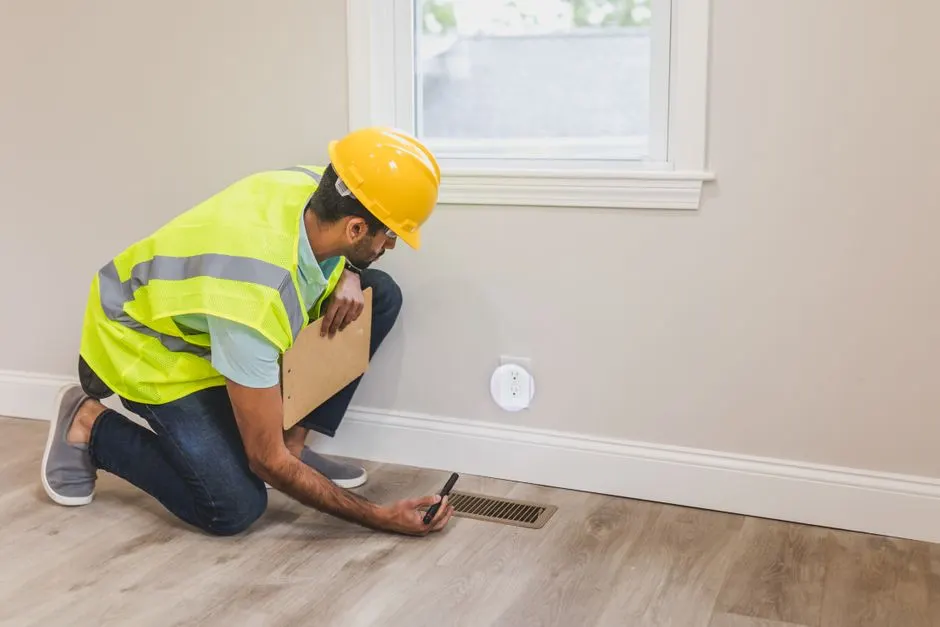


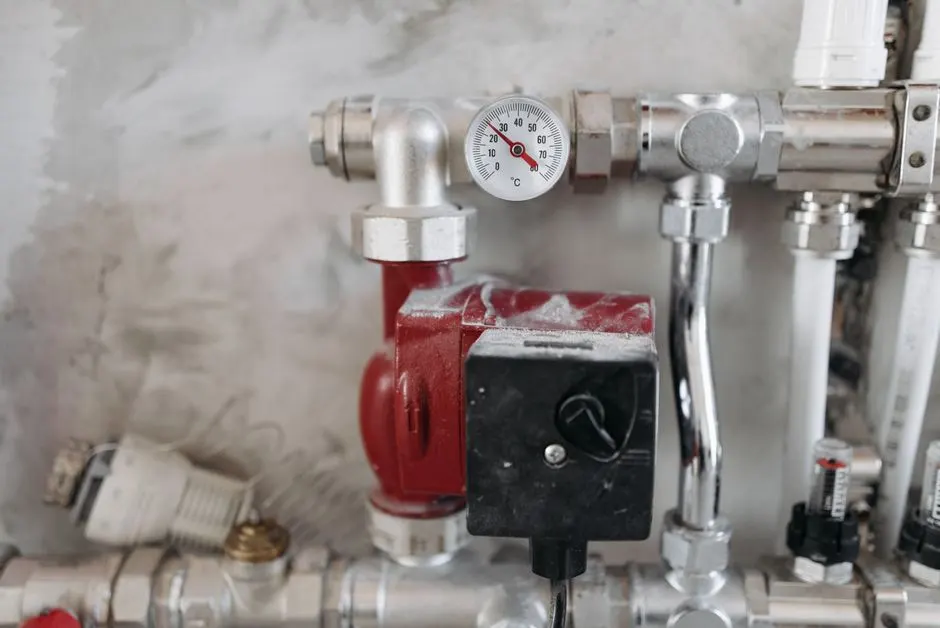
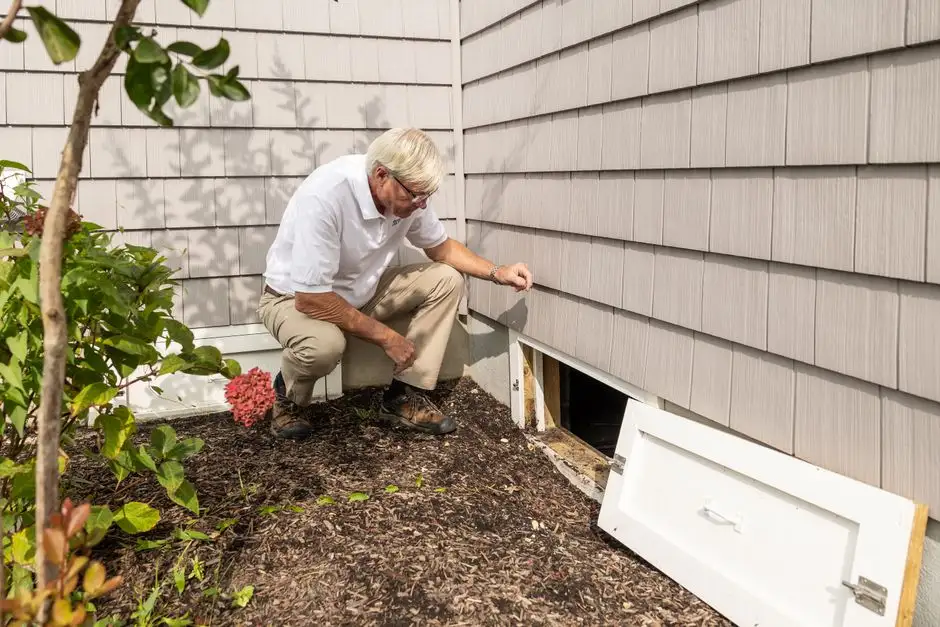
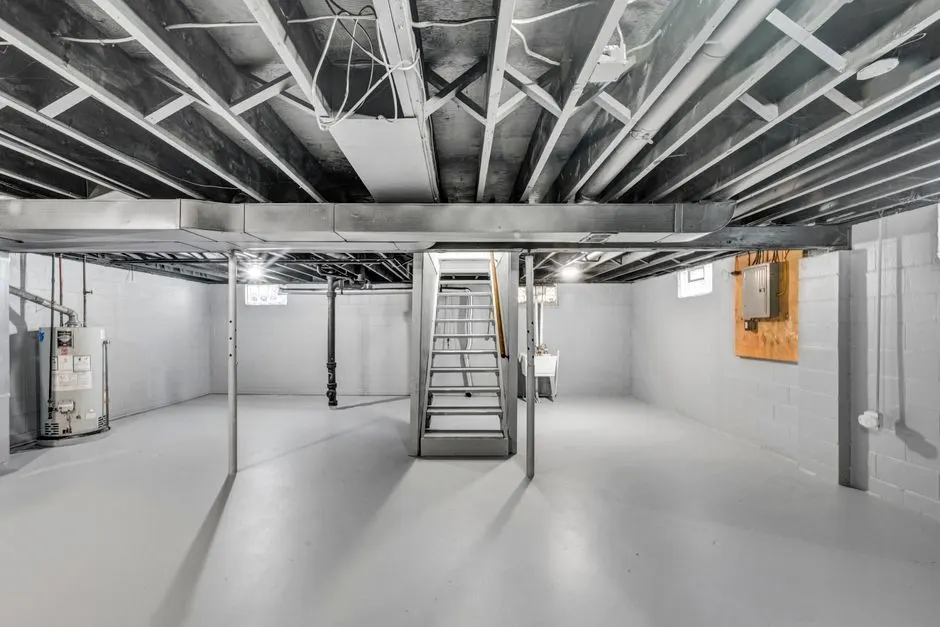
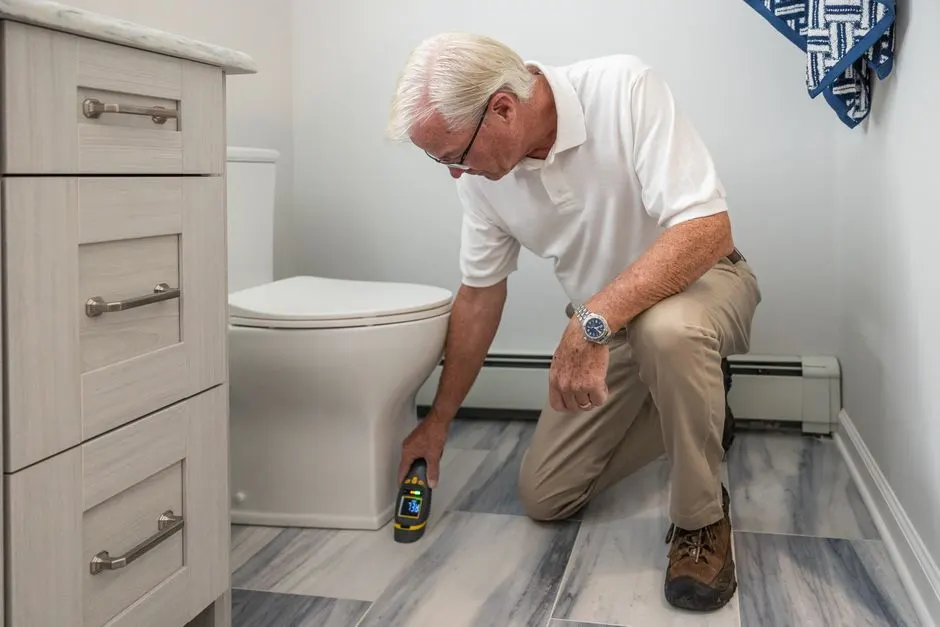
Plaza Midwood's older housing stock, high summer humidity, and mix of renovated and original materials create several distinct moisture questions. Aging plumbing can leak inside a wall, while crawl spaces and attic ventilation deserve attention when odors or staining recur. Renovations do not automatically mean a mold problem, but they can make water history harder to read. Plaza Midwood mold inspection and testing focuses on evidence at the property: visible conditions, moisture measurements, and sampling only where it can answer a clear question.
Older plumbing may leak slowly and wet framing or wall materials before a stain appears. Renovation layers can conceal the path, leaving a musty odor or recurring mark as the first clue. High indoor humidity can slow drying and compound the problem when ventilation is limited.
Older homes may have crawl spaces where plumbing, ground moisture, or ventilation conditions affect framing and insulation. A damp smell can move upward, while the living-room flooring may remain visually unchanged. Access limitations can also make a quick visual assessment incomplete.
Attic moisture can come from roof water entry or humid indoor air reaching cold surfaces. In older construction, changes to insulation or ventilation may alter how moisture moves. Staining on roof sheathing needs context: a past leak, ongoing intrusion, and condensation require different follow-up.
High summer humidity, limited exhaust, and cool surfaces can create repeated condensation on windows, bathroom finishes, or closets. If materials stay wet, surface deterioration or growth can follow. Condensation can resemble a leak symptom, so timing and location matter.
A recurring odor, a stain that returns, or damp materials after a leak are good reasons to arrange an inspection in Plaza Midwood. Older plumbing, crawl spaces, and renovated finishes can hide the source beyond the first visible symptom. If you are looking for a residential mold inspector near Plaza Midwood, tell us what changed, when it began, and whether water was involved. That history helps us focus measurements and decide whether sampling would add useful information.
Musty odor that returns after cleaning
A recurring odor can point to damp material or hidden mold growth that remains after the surface has been cleaned. Note whether it is strongest near a bathroom, closet, crawl-space access, or HVAC supply. Arrange an inspection promptly if the smell persists or follows a known leak.
Fresh staining after a plumbing repair
A new or expanding mark may mean water is still entering or that material has not dried fully. In older Plaza Midwood houses, water can travel behind a finish before appearing at a seam. Record when the stain changes and have moisture checked rather than painting over it.
Condensation on windows or cold surfaces
Repeated condensation can keep nearby trim or wall materials damp, especially during humid weather or when indoor air meets a cold surface. A hygrometer reading and an inspection of adjacent materials help determine whether the issue is surface moisture, a leak, or both.
Dark growth or spotting near an air vent
Spotting near a vent deserves a closer look if it returns or is accompanied by a musty smell. It may involve surface dust, condensation, or suspected growth; appearance alone cannot identify the cause. An HVAC-focused inspection checks accessible components and surrounding materials.
Damp odor rising from a crawl space
A persistent odor near a crawl-space opening can indicate damp conditions below the living area, though the odor alone does not confirm mold. We check accessible framing and moisture indicators, then relate them to plumbing, ground moisture, and ventilation conditions before recommending further testing.
The Plaza and Central Avenue are useful orientation corridors when locating an address in Plaza Midwood. Midwood Park is a recognizable neighborhood reference, while Hawthorne Lane helps orient travel toward nearby Elizabeth. We use the property address and your entry notes for the final approach; a landmark helps with directions but does not determine the inspection scope. If your building has limited street parking, let us know where equipment can be carried in safely.
The Plaza is a principal neighborhood street and a practical reference when locating nearby residential addresses. It helps distinguish the Plaza Midwood area from adjacent Charlotte neighborhoods during route planning.
Central Avenue is a major local corridor through Plaza Midwood, with businesses and neighborhood streets branching from it. It provides a clear orientation point when arranging a property visit.
Midwood Park is a named neighborhood park and a useful map reference for nearby streets. It can help a visitor describe the general area without replacing the property's exact address.
Plus surrounding Mecklenburg County neighborhoods, with same-day routing on most appointments.
Averaging 4.9 / 5 across verified reviews.
“We called after a leak left a stain beside the bathroom in our Plaza Midwood bungalow. The inspector checked the adjoining room and explained why the meter readings mattered instead of jumping straight to a conclusion. We received a straightforward summary of what was damp and what was not. It made the next repair conversation much clearer.”
Dana R.
Plaza Midwood
“Our Commonwealth home had a persistent musty smell near the crawl-space access. The inspection covered the accessible area and the room above it, and the sampling plan was explained before anything was collected. We appreciated having the results connected to the actual locations checked rather than just receiving a number without context.”
Chris M.
Commonwealth
“We needed an inspection before buying a renovated house near Midwood Park. The team asked about the home's repair history, checked the rooms we were concerned about, and explained what could not be seen behind finished walls. The report helped us focus our follow-up questions on the evidence from the visit.”
Robin T.
Midwood
In November and through winter, cooler surfaces can reveal condensation around windows, exterior walls, and poorly ventilated rooms. Spring rains can expose roof or drainage leaks, while summer humidity can keep indoor materials damp and aggravate crawl-space odors. Fall is a useful time to address roof and ventilation concerns before colder weather. If you need air quality mold testing Plaza Midwood NC, we first review the season, recent water history, and conditions inside the property so sampling reflects a useful inspection question.
Rainy periods can reveal roof leaks, window seepage, or water entry that went unnoticed during drier weather. In Plaza Midwood homes, check ceilings, attic areas, and the base of exterior walls after heavy rain. A new stain or damp odor merits prompt moisture investigation.
Tip: After a leak, document where water appeared and when, then arrange inspection before covering affected materials. Drying and source repair come first; sampling is selected only if it helps clarify the remaining concern.
High summer humidity can aggravate indoor dampness, particularly in crawl spaces, bathrooms, and rooms with limited ventilation. Cold air-conditioning surfaces may collect condensation when indoor moisture is high. A musty odor that intensifies during humid stretches is worth documenting and checking.
Tip: Use exhaust fans during bathing and address standing water or leaks quickly. If humidity remains high or a musty smell persists, schedule a moisture and humidity inspection rather than relying on odor masking.
As temperatures shift, roof and attic conditions become more noticeable, especially where ventilation or past repairs are uncertain. Fallen leaves can also obscure drainage paths, so inspect visible gutters and downspouts. Water marks that return after a storm should be checked before colder weather.
Tip: Before winter, note roof stains, attic odors, and damp areas around windows. A focused inspection can establish whether materials are dry and whether a recurring issue needs repair attention.
Cooler exterior surfaces can collect condensation when indoor air is humid, showing up on window trim, closets, or exterior walls. Heating may make rooms feel dry while isolated surfaces remain damp. A recurring mark or musty odor needs an inspection of the material and nearby moisture conditions.
Tip: Keep bathroom and kitchen exhaust operating and avoid covering damp surfaces with fresh paint. Record where condensation forms and whether it appears after cooking, bathing, or overnight temperature changes.
Plaza Midwood sits within our wider Charlotte service region, so we can coordinate inspections for customers who manage properties in more than one neighborhood. Travel and access are planned around the property address, the concern, and any entry requirements. We also serve nearby areas across Mecklenburg County, keeping the inspection process consistent while adapting it to each building's age and condition.
(City)
Uptown Charlotte lies southwest of Plaza Midwood and is part of the same central Charlotte service region.
View Uptown Charlotte(City)
South End is southwest of Plaza Midwood, with access routed through central Charlotte according to the property address.
View South End(City)
NoDa is northwest of Plaza Midwood, making it a nearby neighborhood within the Charlotte service area.
View NoDa(City)
Elizabeth borders the nearby central area east of Uptown and is a close service-area neighbor to Plaza Midwood.
View Elizabeth(City)
Dilworth lies southwest of Plaza Midwood and shares access to Charlotte's central service network.
View Dilworth(City)
SouthPark is farther south within the Charlotte region, served through the same property-focused scheduling process.
View SouthParkReal answers from our team for the questions we hear most often before a job starts.
A recurring odor, water stain, or damp crawl space deserves a clear inspection plan. We serve Plaza Midwood and surrounding Mecklenburg County communities, checking relevant materials and explaining whether sampling will answer your question. Call Charlotte Mold Testing at +18668968166 to arrange a visit or discuss the property before booking. We provide upfront pricing before work starts.
Call +1 866-896-8166 to tell us what you have noticed and where the property is located. Our team is available Monday through Friday, 8:00 a.m. to 6:00 p.m., to discuss inspections, sampling, and crawl space concerns across Charlotte, North Carolina. Share any leak history or affected rooms so we can focus the conversation on your property.
Phone
+18668968166Address
Charlotte, North Carolina
Hours
Mon–Fri: 7AM – 7PM
Sat: 8AM – 4PM
Sun: Emergency Only
24/7 Emergency Available