

Concern And History Review
We ask when the odor, leak, stain, or condensation began and whether it changes with rain or HVAC use. Your answers help us select relevant areas to check, including prior repair locations and nearby building materials.
Your inspection includes a discussion of the concern, a visual review of relevant accessible areas, humidity measurement, and moisture checks on selected materials. We explain the readings and likely next steps before wrapping up. Mold sampling, laboratory analysis, invasive opening of finishes, and a separate plumbing or roof investigation are additional services when the findings call for them.
We ask when the odor, leak, stain, or condensation began and whether it changes with rain or HVAC use. Your answers help us select relevant areas to check, including prior repair locations and nearby building materials.
We inspect the reported area and accessible adjacent surfaces for staining, peeling, condensation, deterioration, or visible growth. The visual review helps place meter readings in context and identify likely paths for water movement.
We record indoor relative humidity with a hygrometer and check selected materials with a pinless or pin-type moisture meter. We compare suspect readings with reference locations and explain that results vary by material and conditions.
We summarize the affected locations, measurements, and likely concerns, then explain practical next steps such as drying, repair, monitoring, or further testing. You can ask questions while we review the observations together.
Moisture and Humidity Inspection Charlotte NC is a building condition assessment that measures indoor humidity and checks surfaces and materials for signs of excess moisture or water intrusion. We combine visual inspection with a hygrometer and pinless moisture meter, then use a pin-type meter where a material-specific reading is appropriate. An infrared thermal camera helps us identify temperature patterns that deserve closer checking; it does not prove moisture by itself. You receive the observed conditions, measured readings, likely sources, and a practical action plan.
Charlotte's humid summers, heavy rain, plumbing leaks, and air-conditioning use can leave moisture in wall cavities, crawl spaces, attics, or around windows. Our moisture assessment Charlotte NC service helps you investigate persistent indoor dampness, condensation, or a musty smell before finishes deteriorate. We check likely entry points and compare suspect areas with dry reference locations. If you need to find hidden moisture in a Charlotte home, we explain what readings indicate and whether targeted sampling or a separate leak investigation makes sense.
Our Charlotte inspection follows a clear sequence so you know what we are checking and why. Most occupied-home visits take about 1.5 to 3 hours, depending on access, property size, and the number of affected areas. We review your concerns first, take measurements, and discuss findings before wrapping up.
Schedule
Call or book online — a real human picks up and confirms a 2-hour arrival window.
Diagnose
Licensed tech inspects on-site, then walks you through the cause and your options.
Fix
The job is completed to code and done right the first time — no shortcuts, no surprises.
Guarantee
Every job backed by a written workmanship warranty — and we stand behind it.
Infrared thermal camera
We use thermal patterns to identify temperature differences that deserve closer examination, such as a cool area near a suspected leak. Infrared images guide checks; they do not independently confirm moisture.
Pin-type moisture meter
A pin-type meter measures moisture at selected contact points in suitable materials. We use it when a more direct reading helps clarify a suspect area and explain any small probe marks before testing.
Pinless moisture meter
A pinless meter scans a surface without inserting pins, which is useful for comparing larger areas of accessible building materials. We interpret readings according to the material and nearby reference locations.
Hygrometer
A hygrometer records relative humidity and temperature in the inspected space. We use the reading alongside surface conditions, ventilation, and HVAC operation to explain whether indoor humidity may be contributing to dampness.
FLIR thermal camera
FLIR equipment provides infrared images that can help map temperature variations across a wall, ceiling, or floor. We verify areas of concern using visual inspection and suitable moisture measurements.
Comparative material readings
We take readings at the reported concern and compare them with a nearby, apparently unaffected location made of a similar material. This helps put numbers in context. Differences guide further inspection, but readings are interpreted with the material, surface condition, and recent weather in mind.
Visual moisture tracing
We follow visible staining, deterioration, condensation, or odor toward plausible entry and accumulation points. The inspection considers plumbing penetrations, windows, ceilings, and accessible building areas. We report observed conditions without claiming that a surface pattern alone proves the source.
Humidity and condensation review
We record indoor relative humidity and examine surfaces where temperature changes can produce condensation. We consider ventilation and HVAC operation as part of the interpretation, since the same humidity reading can affect rooms differently. Findings help identify whether humidity control or a localized repair deserves attention.
01
What we do: We check the reported wall, nearby floor and baseboard, and accessible plumbing area. Meter readings help show whether moisture remains in the materials after the leak repair. If a concealed area still needs investigation, we explain the next step and whether targeted sampling would answer a separate mold question.
→ You learn which materials remain damp, whether more drying is needed, and what to monitor before repairing or repainting the wall.
02
What we do: We assess the visible concerns, measure humidity, and inspect accessible areas for dampness or staining. Our team checks selected materials and explains which observations suggest active moisture and which need further investigation. The findings give the buyer concrete information to discuss with the seller or repair professionals.
→ You get a clearer view of moisture conditions in the home and can plan focused follow-up before the transaction proceeds.
03
What we do: We inspect the affected unit and likely adjacent entry points, recording humidity and material readings. We look for recurring patterns around exterior walls, floors, and plumbing penetrations. Our findings help maintenance staff decide whether to investigate water entry, dry materials, or arrange targeted mold testing.
→ You receive documented locations and practical next steps that help coordinate repairs and communicate clearly with tenants.
Charlotte's warm, humid summers and frequent rain can challenge crawl spaces, exterior walls, and roofs; cool winter mornings can also reveal condensation around windows. Our building moisture inspection in Charlotte considers those seasonal patterns alongside the home's construction and ventilation. We check for crawl-space dampness, attic mold from inadequate ventilation, and water intrusion around windows or roof transitions where relevant. In older homes, plumbing lines, settled materials, and prior repairs can create localized concerns; in newer buildings, tight construction and HVAC operation can affect indoor humidity. We take readings at suspect materials and compare them with nearby reference points rather than relying on a single number. If you need a home moisture evaluation Charlotte, we explain whether the evidence points to a leak, condensation, or another condition and what should happen next. We serve Mecklenburg County properties from Uptown to Ballantyne and University City. Our inspection documents observed conditions; any repair or code question is referred to the appropriate licensed trade.
South End
Condensation near windows and dampness after plumbing leaks are common inspection concerns in homes and multi-unit properties. We compare affected finishes with nearby materials.
Plaza Midwood
Older homes and prior renovations can make leak history important. We ask about previous repairs and check accessible areas around plumbing, windows, and exterior walls.
Ballantyne
Larger homes may have multiple HVAC zones, attic areas, and bathrooms to consider. We focus readings on reported rooms and likely moisture paths.
University City
Rental and owner-occupied properties alike can develop recurring dampness after heavy rain. We document conditions that help direct maintenance toward the source.
Humid summer air combines with cool air-conditioning surfaces.
Temperature differences can encourage condensation on windows, ducts, or other surfaces. We record humidity and inspect visible condensation so you can distinguish a localized HVAC concern from a persistent moisture source.
Heavy rain exposes weak points around roofs and windows.
Water may travel behind finishes before a stain appears, leaving an irregular pattern or damp material. We compare readings around the visible mark and nearby surfaces to help focus follow-up repairs.
Crawl-space and attic ventilation changes moisture behavior.
Poor airflow or damp outdoor air can contribute to persistent indoor dampness and material concerns. We check accessible surfaces and readings, then explain whether ventilation, drainage, or leak investigation should be prioritized.
A damp patch, musty odor, or recurring condensation can point to different causes, and surface appearance rarely tells the whole story. We check the affected area and nearby materials, then connect the findings to a practical response. The goal is to address the moisture condition before finishes or indoor conditions worsen.
Problem
Water may still be entering above the finish, leaving insulation or framing damp. Repainting can hide the symptom while moisture continues to affect surrounding materials.
Our Fix
We inspect the stain and nearby ceiling and wall surfaces, compare moisture readings, and look for patterns consistent with water entry. Our findings help identify where a roofer or building repair should focus. If the materials remain wet, we explain the need for drying and follow-up checks instead of relying on another coat of paint.
Problem
Repeated condensation can keep window frames and nearby finishes wet. Persistent indoor dampness may also signal ventilation or HVAC conditions that need correction.
Our Fix
We record indoor humidity, inspect condensation-prone surfaces, and consider ventilation and HVAC operation. Our team explains whether the readings point to a room-specific issue or broader excess indoor humidity. You receive practical steps to address the conditions and know which measurements should be rechecked after changes.
Problem
Residual dampness can remain in framing or other materials after the visible leak is repaired. Hidden mold growth may develop if wet materials are not dried.
Our Fix
We inspect accessible crawl-space surfaces, check selected materials with a moisture meter, and look for signs of continuing water entry. Our team separates evidence of current dampness from old staining and explains whether drying, leak tracing, or mold sampling is the appropriate next move.
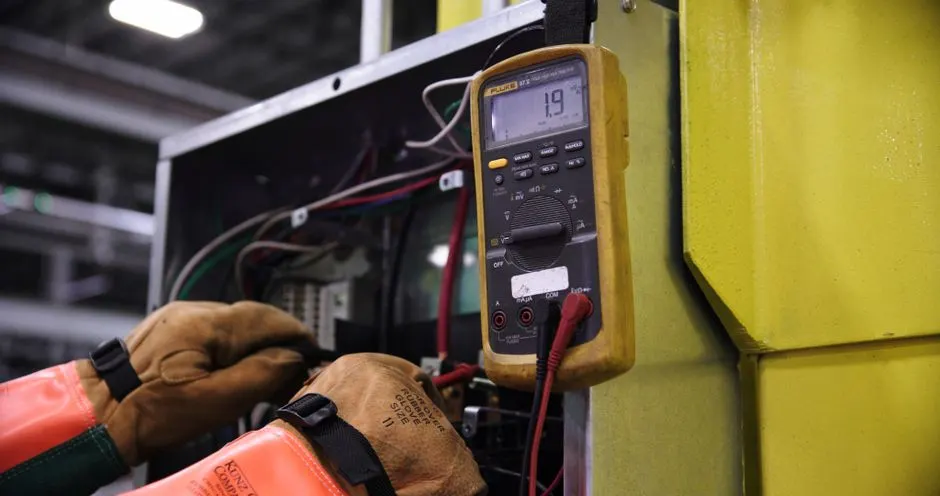
A useful inspection connects readings to the building conditions that produced them. We show you where moisture is present, distinguish a localized concern from a broader humidity problem, and make the next decision easier. You leave with recorded observations rather than a guess based on odor or appearance alone.
Locate Damp Materials
We map suspicious areas such as baseboards, ceilings, plumbing walls, and crawl-space framing, then compare readings with nearby unaffected materials. A moisture meter inspection Charlotte NC homeowners request after a leak can reveal where drying needs attention, even when the surface looks dry. You get locations and readings to guide repairs.
Understand Indoor Humidity
A hygrometer records relative humidity at the time of the visit, while our visual checks look for condensation and poor air movement. We explain why a single reading is only a snapshot and how ventilation, HVAC operation, and outdoor conditions affect it. That gives you a workable starting point for controlling dampness.
Separate Symptoms From Sources
A stain can result from a roof leak, plumbing failure, condensation, or a prior spill. We trace visible patterns and inspect nearby surfaces rather than treating every mark as the same problem. When a source needs a plumber, roofer, or remediation contractor, you know what area and condition require attention.
Plan Mold Prevention
Moisture control is a key part of preventing mold growth after water intrusion. We identify wet materials and conditions that need correction, then explain when drying, repairs, or mold testing should follow. You can address the cause before hidden mold growth or elevated airborne mold spores become a larger concern.
Customer feedback Not stated
A homeowner in Charlotte described how the inspection compared moisture readings around a returning ceiling stain instead of recommending another paint repair. The recorded locations helped direct a roof follow-up, and the customer said the explanation made the next step clear.
Customer feedback Not stated
A University City resident reported a musty crawl-space odor after a plumbing repair. The inspection checked framing and humidity, explained which areas still needed drying, and gave the homeowner a simple monitoring plan rather than an unsupported diagnosis.
Customer feedback Not stated
A South End property manager needed to check for moisture beyond a cabinet after a supply-line leak. The team measured the adjoining wall and floor, documented affected locations, and helped maintenance focus drying and repair on the areas that required attention.
Moisture readings only help when they are interpreted against the material, location, and building conditions. Our Charlotte team applies local experience to distinguish a wet surface from a humidity problem, consider how water may travel through finishes, and recognize conditions associated with mold growth after water intrusion. We use measurement tools as part of a broader inspection, not as a substitute for sound judgment. When laboratory analysis is needed, we can coordinate appropriate sampling and explain how the results relate to the moisture findings. We do not guess at a cause from one number.
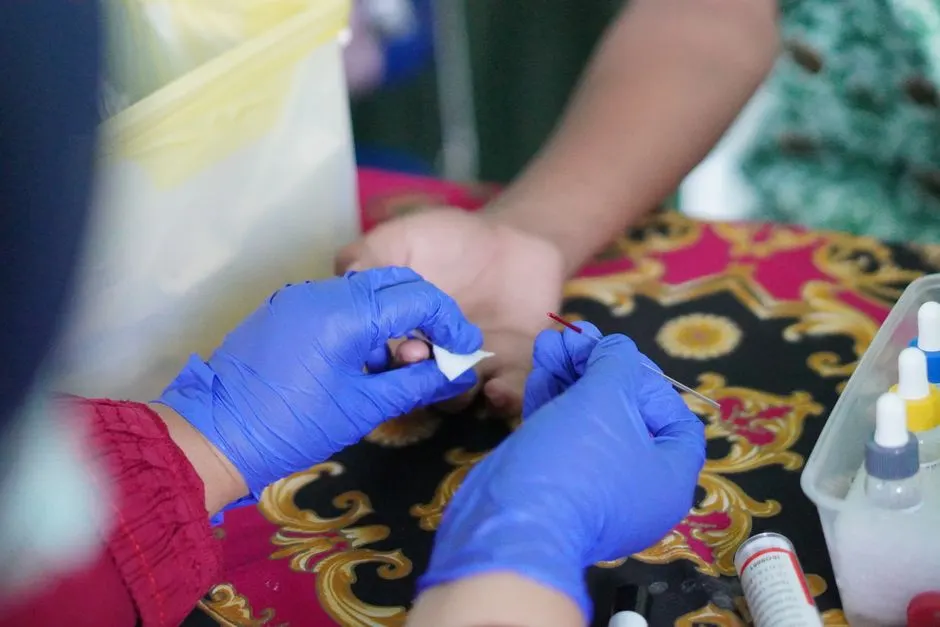
Real answers to the questions we hear most often from local homeowners and property managers.
Pair a residential inspection with moisture readings when your home has a musty odor, visible staining, or a history of leaks. We inspect reported rooms and likely sources, then explain whether damp materials need drying or mold sampling. It gives Charlotte homeowners a fuller picture of the conditions affecting the house.
View Residential Mold InspectionCommercial properties can have moisture concerns across multiple suites, mechanical areas, or tenant spaces. We use moisture findings to focus inspection on affected materials and recurring humidity conditions. Property managers receive a practical account of areas to address, useful for coordinating building maintenance and follow-up work.
View Commercial Mold InspectionWhen moisture findings coincide with suspected mold growth or unexplained indoor concerns, targeted sampling can help answer a specific question. We explain sample locations and methods before collecting material or air samples. Sampling complements a moisture inspection; it does not replace identifying and correcting the water source.
View Mold Testing and SamplingIf occupants report a persistent musty odor or concern about elevated airborne mold spores, air sampling may be considered alongside moisture inspection. An air sampling pump and spore trap cassette collect a time-limited sample for laboratory review. We interpret results with the inspection findings and building conditions.
View Air Quality Testing for MoldSurface sampling can help identify growth on a specific material when visual inspection alone does not answer the question. We may use a sterile sampling swab or tape-lift sampling kit on an appropriate surface. Moisture readings remain important because mold findings need to be considered with the underlying dampness.
View Surface Mold TestingLaboratory analysis identifies material collected from a defined location, helping clarify whether suspected growth is mold and what was present in the sample. We connect those results to moisture readings and observed conditions. This is useful when a property owner needs evidence to plan a focused response.
View Mold Identification and Lab AnalysisCall +1 866-896-8166 to tell us what you have noticed and where the property is located. Our team is available Monday through Friday, 8:00 a.m. to 6:00 p.m., to discuss inspections, sampling, and crawl space concerns across Charlotte, North Carolina. Share any leak history or affected rooms so we can focus the conversation on your property.
Phone
+18668968166Address
Charlotte, North Carolina
Hours
Mon–Fri: 7AM – 7PM
Sat: 8AM – 4PM
Sun: Emergency Only
24/7 Emergency Available