Logo
Get Estimate

Commercial Mold Inspection Charlotte NC

Find moisture problems before they disrupt your business


Commercial Mold Inspection Charlotte NC helps property owners, facility managers, and business operators identify moisture conditions and suspected mold before damage spreads or occupants lose access to a space. Our Charlotte team checks visible areas, building materials, and indoor conditions, then explains what the findings mean. If you have a leak, musty odor, water damage, or recurring humidity, a commercial mold assessment Charlotte NC can give you a practical path forward.

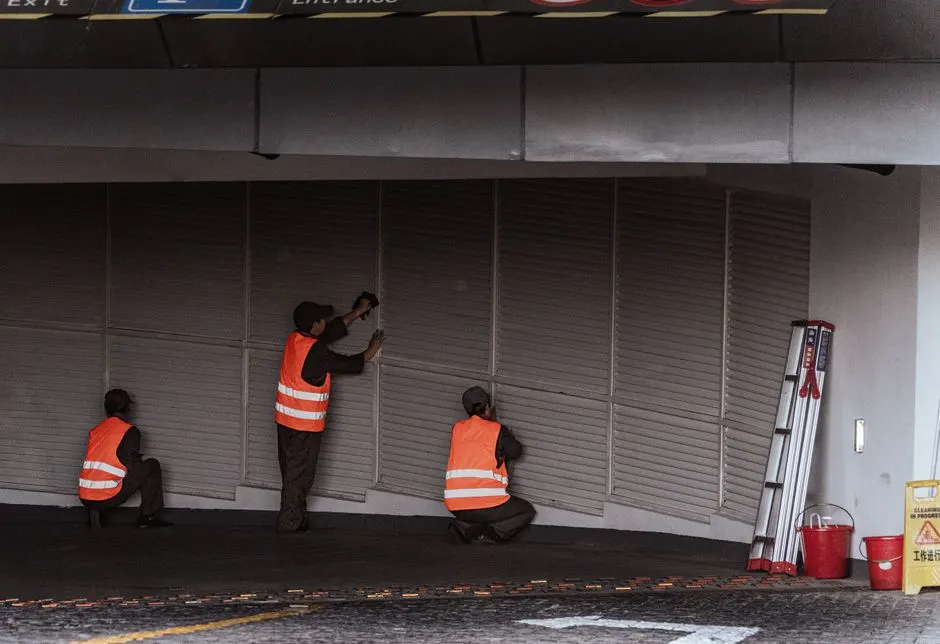
Three workers in safety vests install security shutters at an indoor entrance.
Licensed Licensed & Bonded
Fully Insured Insured & Bonded
24/7 Emergency Same-Day Response
Warranty Backed Workmanship Guaranteed in Charlotte

What Commercial Mold Inspection Includes

Your inspection covers a review of the concern, visual examination of accessible affected areas, moisture and humidity checks, and documentation of relevant conditions. Sampling is added when it helps answer a specific question, such as whether a surface or air sample is warranted. The assessment identifies observations and recommended next steps; it does not replace leak repair, material removal, or remediation work. We explain the inspection boundaries before starting and keep findings tied to the areas we evaluated.

Concern and History Review

We discuss the leak, odor, staining, occupant reports, and prior repairs with you before entering the affected space. A concise history helps focus the visit on likely moisture pathways and identifies whether the problem is new, recurring, or connected to an earlier water event.

Accessible Visual Examination

We inspect relevant accessible surfaces and building areas for discoloration, material changes, water marks, condensation, and suspected growth. We document locations and note access limitations. Opening walls or removing building finishes is not part of a standard visual inspection.

Moisture and Humidity Readings

We use moisture meters and a hygrometer to record conditions at selected locations. Readings are interpreted in relation to the material and room conditions, then connected to the reported concern. These measurements help identify where further evaluation or moisture correction should be considered.

Targeted Sampling When Needed

When laboratory evidence can help answer the inspection question, we collect selected air or surface samples using appropriate materials and label each location. Sampling is not automatic; we explain its purpose and how the result will relate to the observed building conditions.

Findings and Follow-Up

We explain documented observations, readings, and laboratory results when available, then identify practical next steps. You can use the findings to coordinate moisture correction, targeted repairs, or a follow-up check. Any areas that could not be accessed are clearly distinguished from inspected locations.

Commercial Mold Inspection Charlotte NC: What It Covers


Commercial Mold Inspection Charlotte NC is a building assessment that identifies moisture conditions and suspected mold growth so owners can decide what testing or corrective work is needed. We review the reported history, inspect accessible areas, check for water staining and material damage, and use moisture readings to direct attention to likely problem zones. When sampling is warranted, we collect appropriate air or surface samples for laboratory analysis. The report connects observations, measurements, and sample results to specific locations, helping you prioritize repairs instead of treating every room as an equal risk.

Charlotte buildings face humid summers, strong rain events, plumbing failures, and condensation around poorly controlled HVAC systems. These conditions can leave persistent indoor dampness in offices, retail spaces, warehouses, and multi-tenant properties. Our Charlotte commercial mold inspector looks for the moisture source as well as visible growth, including suspected mold behind walls or finishes. If staff report odors after a roof leak or a tenant reports recurring staining, a commercial mold inspection near me in Charlotte NC helps establish what is affected and what should be checked next.

What Happens During Your Inspection

Commercial Mold Inspection Charlotte NC follows a practical sequence: understand the complaint, inspect the relevant building areas, measure moisture, sample when useful, and explain the findings. A focused visit for a single suite often takes 2-4 hours; larger or multi-floor properties require more time. We discuss access and affected areas with you before starting, then work methodically so the final record is clear.

01

Schedule

Call or book online — a real human picks up and confirms a 2-hour arrival window.

02

Diagnose

Licensed tech inspects on-site, then walks you through the cause and your options.

03

Fix

The job is completed to code and done right the first time — no shortcuts, no surprises.

04

Guarantee

Every job backed by a written workmanship warranty — and we stand behind it.

Tools and Inspection Methods

Tools & Equipment

FLIR infrared thermal camera

We use infrared temperature patterns to guide closer inspection of suspected moisture zones. The camera does not detect mold or confirm water; we verify relevant locations with visual examination and moisture readings.

Tramex pinless moisture meter

A pinless meter screens selected building materials for relative moisture patterns without inserting pins. We use it to compare suspect areas with nearby reference locations and decide where a more direct check is useful.

Protimeter pin-type moisture meter

A pin-type moisture meter checks selected material points where direct readings help clarify a suspected damp area. We record the location and material context so the number is not interpreted without reference.

Dwyer Instruments hygrometer

A hygrometer records indoor temperature and relative humidity during the inspection. These conditions help explain condensation risk and provide context for readings in rooms affected by excess indoor humidity.

Zefon air sampling pump

When air sampling is warranted, an air sampling pump draws a measured volume through a spore trap cassette. We identify the sample location and purpose so laboratory results can be considered alongside building conditions.

Methods & Standards

Moisture-pathway investigation

We begin at the reported symptom and follow accessible clues toward likely water sources, including plumbing, exterior transitions, roof areas, or HVAC condensate. Readings and visual observations help determine whether conditions extend beyond the visible stain. This method keeps attention on the cause and affected materials, not just surface appearance.

Targeted air and surface sampling

We collect samples only when they help answer a defined question. Air samples use spore trap cassettes; surface samples use an appropriate swab or tape-lift method. Each is labeled by location and handled for laboratory analysis. Results are interpreted with the inspection record, not as a standalone measure of every room.

Condition and comparison review

We compare reported areas with relevant nearby locations, considering room use, ventilation, temperature, and moisture history. A comparison can add context to a result, but it does not erase building differences or prove that every space is unaffected. We document the basis for conclusions so you can follow the reasoning.

EPA-recognized moisture guidance

We apply EPA-recognized mold and moisture guidance by focusing on controlling water and drying affected materials. Inspection findings identify conditions that support further action; they do not substitute for building repair or remediation. We explain how moisture correction, access, and verification relate to the specific commercial concern.

When to Schedule an Inspection

01

A Charlotte office has a persistent odor after a roof leak, but the ceiling stain has dried.

What we do: We inspect the stain and nearby materials, check for moisture beyond the visible area, and review the timing of the leak and any drying work. If conditions justify it, we collect targeted samples and label their exact locations for laboratory review.

→ You learn whether the area shows current moisture concerns, what could not be confirmed visually, and which repair or follow-up steps are supported by the inspection.

02

A retail tenant reports spotting on a wall shared with a plumbing chase in SouthPark.

What we do: We examine the reported wall, accessible adjacent surfaces, and relevant plumbing-side areas, then compare moisture readings. The inspection record separates visible growth from dampness and notes whether surface sampling would answer a useful question.

→ The property manager gets a defined area to investigate and can coordinate repairs without treating every neighboring retail unit as affected.

03

A facility manager needs a pre-occupancy check after water intrusion in a University City suite.

What we do: We review the water event and drying history, inspect accessible affected materials, and measure moisture in selected locations. If the concern calls for laboratory evidence, we plan sampling around the suite and document the areas assessed.

→ You have findings to support a return-to-use decision and a clear list of unresolved moisture conditions or checks to complete.

04

Several employees notice odors near a mechanical room during humid summer weather.

What we do: We check humidity, accessible mechanical-room surfaces, nearby materials, and reported odor locations. We look for condensation patterns and signs of water accumulation, then explain whether a broader indoor air quality assessment or targeted sampling is appropriate.

→ Your team can focus maintenance on documented conditions and avoid assuming that an odor alone confirms mold growth.

How Commercial Mold Inspection Works in Charlotte

Charlotte's humid summers and periods of heavy rain can put pressure on roofs, windows, foundation transitions, and HVAC drainage. During cooler months, temperature differences between indoor air and exterior surfaces can contribute to condensation, especially in buildings with uneven ventilation. We inspect with those local patterns in mind, while relying on evidence from the building rather than assumptions about the season. In Uptown offices and South End mixed-use properties, shared walls and stacked mechanical systems can make access and source tracing important. A business mold inspection in Charlotte starts with your reported area and considers adjacent rooms when the water pathway suggests they may be involved. We record whether the concern is in an occupied suite, common area, attic, crawl space, or mechanical zone. For a commercial property mold inspection near Charlotte, tell us about roof work, plumbing repairs, tenant reports, and recent storms; that history helps us target the visit and interpret readings.

Neighborhoods We Serve

  • Uptown Charlotte

    Office towers and shared mechanical systems can make it important to document the exact floor, suite, and adjacent service areas connected to a reported leak.

  • South End

    Mixed-use buildings may combine retail, offices, and residences, so we identify the affected unit and distinguish its findings from shared or neighboring spaces.

  • University City

    Business parks and larger facilities can have multiple reported rooms; a floor plan and access contact help keep the inspection route efficient.

  • SouthPark

    Retail and office properties often need inspections planned around operating hours, with reported areas documented separately from customer-facing spaces.

Local Conditions We Plan For

  • Humid summer air increases condensation risk around cool HVAC surfaces.

    We record indoor humidity and inspect accessible surfaces near equipment and supply areas. Condensation patterns can point to drainage, insulation, or ventilation concerns that need facility follow-up.

  • Heavy rain exposes roof, window, and exterior transition leaks.

    Water may travel along framing or above ceiling finishes before it appears as a stain. We inspect beyond the visible mark and compare moisture conditions in accessible neighboring materials.

  • Older building finishes can conceal previous water damage.

    We document visible repairs, discoloration, and suspect material changes, then take targeted readings where access allows. If finishes block confirmation, we explain the limitation and appropriate next investigation.

Office Ceiling Leak Traced

Before

An Uptown office had a brown ceiling mark and a musty smell after a roof leak. The surface looked dry, but staff could not tell whether the nearby wall or ceiling cavity remained affected. Maintenance had checked the stain once and found no active drip, leaving the source and repair area uncertain.

After

We documented the ceiling and adjacent wall, took moisture readings at 6 selected points, and identified a higher reading near the reported leak path. The findings helped the manager direct a roof follow-up and monitor the affected materials rather than opening multiple unrelated rooms.

Maintenance: After roof repairs, keep a dated log of any new staining or odor and recheck the same locations after heavy rain. Report fresh moisture promptly so it can be assessed before finishes are replaced.

Before

A SouthPark retail suite had damp flooring beside a service sink after a plumbing failure. The tenant had moved merchandise but did not know whether moisture was limited to the visible edge or had reached nearby wall materials. The business needed a documented assessment before planning repairs.

After

The inspection checked the flooring edge, adjacent wall, and accessible sink area, with readings recorded at 8 locations. Findings identified the areas needing drying and repair attention. A targeted surface sample was collected from one suspect area, giving the property team location-specific results for its records.

Maintenance: Check the repaired connection and nearby materials during the next 48 hours of operation. Keep stored goods off the floor in that corner and report renewed dampness or odor instead of covering it.

Before

A University City office reported recurring odors near a mechanical room during humid weather. Staff were concerned about possible mold in the HVAC system, but no single visible spot explained the complaint. The facility manager needed to know whether the concern was localized or spread through occupied rooms.

After

We recorded room humidity in 4 areas, inspected accessible mechanical-room surfaces, and checked moisture near the reported odor location. The observations focused follow-up on a condensation-prone section rather than the entire floor. The manager received a clear distinction between observed conditions and areas not accessible during the visit.

Maintenance: Have facility staff check condensate drainage and watch the same locations during humid periods. Record odor timing and room conditions; that history will help any future inspection target the right operating conditions.

Resolve the Moisture Problems Behind Mold

A commercial mold inspection near Charlotte can help you move from an unexplained odor or stain to a defined building concern. We connect symptoms to the conditions we can observe and measure, then explain where repairs or additional investigation should focus. That makes it easier to protect occupied areas and avoid repeating cleanup without addressing moisture.

Problem

A musty odor returns in the same office after each storm.

Repeated odors can point to recurring water entry or damp materials hidden behind finishes, while staff remain unsure which area needs attention.

Our Fix

We inspect the reported office and nearby building transitions, check suspect materials for moisture, and document the pattern of staining or odor. If the source is not visible, thermal imaging can guide direct checks. You receive a location-based explanation of what needs repair or further evaluation.

Problem

Employees report discomfort but no visible mold appears.

Without a focused investigation, managers may close rooms unnecessarily or overlook a moisture condition that affects indoor air and building materials.

Our Fix

We review where and when complaints occur, inspect relevant rooms and HVAC-adjacent areas, and measure humidity. If sampling is appropriate, we select locations based on the complaint. Our findings help you distinguish a documented moisture concern from an unconfirmed suspicion.

Problem

A plumbing leak leaves stained walls and damp flooring.

Water can move beneath finishes and into adjacent spaces, creating hidden damage and complicating decisions about drying, repairs, and occupancy.

Our Fix

We trace accessible affected areas beyond the obvious stain, record moisture readings, and identify materials that remain damp. We recommend focused follow-up based on the findings and can collect samples when there is a clear reason. You get a better-defined repair area.

Problem

Condensation develops around commercial HVAC equipment.

Repeated condensation can wet nearby insulation, ceiling materials, or equipment surfaces and may lead to recurring odors or visible growth if the condition continues.

Our Fix

We inspect accessible surfaces around the equipment, note drainage and moisture patterns, and check nearby building materials. Findings help your facility team address the underlying condensation or drainage issue and decide whether a separate HVAC inspection or sampling is needed.

Clear Findings, Practical Next Steps

Clear Findings, Practical Next Steps

An inspection should help you make a decision, not leave you with a stack of unexplained readings. We document where we looked, what conditions we found, and whether sampling supports further action. You get information that can help coordinate maintenance, communicate with occupants, and focus repairs on the moisture problem rather than masking symptoms.

  • Locate Moisture Sources

    We trace staining, damp materials, and elevated readings toward likely sources such as a supply-line leak, roof penetration, or condensation point. A pinless moisture meter screens broad surfaces, while a pin-type moisture meter checks selected materials more directly. You receive location-specific findings that help maintenance staff address the cause before affected materials stay wet for longer.

  • Separate Observation From Testing

    Visible growth, a musty odor, and a laboratory result are different kinds of evidence. We explain which conditions were observed and whether air or surface sampling was appropriate for your building. That distinction helps you avoid treating an untested suspicion as a confirmed result or assuming a clean-looking surface proves the whole area is unaffected.

  • Plan Around Occupants

    A business mold inspection in Charlotte can focus on the rooms, shifts, or tenant areas affected by a complaint. We coordinate the inspection route around accessible spaces and note operational constraints, such as occupied offices or active retail floors. That gives you a clearer picture of where investigation occurred and helps limit unnecessary disruption to staff and customers.

  • Document a Useful Baseline

    Photos, moisture readings, room conditions, and sample locations create a record you can compare with future observations or post-repair checks. If a similar leak occurs later, the baseline helps identify whether the same materials are affected again. We keep findings tied to building areas so property managers can assign follow-up work precisely.

Credentials and Review Notes

Licensed & Certified

  • ACAC Council-certified Indoor Environmentalist — issued by American Council for Accredited Certification
  • ACAC Council-certified Microbial Consultant — issued by American Council for Accredited Certification
  • IICRC Applied Microbial Remediation Technician — issued by Institute of Inspection, Cleaning and Restoration Certification
  • IICRC Applied Microbial Remediation Specialist — issued by Institute of Inspection, Cleaning and Restoration Certification

Verified Reviews

Google ★★★★★4.9

Our Charlotte office had a leak above a conference room. The inspector checked the ceiling and surrounding wall, recorded moisture readings, and explained which area needed follow-up. The notes made it easier to coordinate with building maintenance and kept the inspection focused on the reported problem.

Google ★★★★★5.0

We manage a commercial space in South End and needed clarity after a tenant noticed a recurring odor. The team explained the difference between visual findings and lab sampling, then documented the rooms they checked. The practical next steps were useful for our maintenance plan.

Yelp ★★★★★5.0

After water entered our University City suite, we needed someone to check beyond the visible floor stain. The inspection covered nearby materials and gave us recorded readings by location. We appreciated the straightforward explanation and the guidance on what to monitor after repairs.

Field Knowledge for Commercial Buildings

Commercial Mold Inspection Charlotte NC requires more than spotting discoloration; it takes a building-focused approach to moisture, ventilation, materials, and occupant concerns. Our team uses local experience to investigate offices, retail units, common areas, and light commercial properties. We distinguish screening tools from confirmatory sampling and keep observations connected to the building locations that matter. Where laboratory analysis is used, samples are sent for appropriate evaluation, and we explain what the results support rather than overstating what a single sample can prove.

  • We assess moisture pathways around roof transitions, plumbing chases, exterior walls, and HVAC condensate areas where water can remain concealed.
  • We use FLIR thermal imaging to identify temperature anomalies that guide-not replace-direct moisture checks and visual inspection.
  • We select sampling locations to answer a defined question, such as whether a complaint area differs from an appropriate comparison area.
  • Our approach follows EPA-recognized mold and moisture guidance and emphasizes correcting water conditions that support growth.
  • We document access limitations and distinguish observed facts, instrument readings, and laboratory findings in the inspection record.
Get Started Today
Field Knowledge for Commercial Buildings

Commercial Mold Inspection Questions

Real answers to the questions we hear most often from local homeowners and property managers.

How much does commercial mold inspection cost in Charlotte?
A focused commercial inspection commonly costs $350-$1,200 in 2026, depending on size, access, and whether laboratory sampling is added. A single suite with one reported leak takes less time than a multi-floor property with several complaints. We explain pricing before work begins. Sampling, after-hours access, extensive documentation, and hard-to-reach areas can increase the total; a clear inspection question helps keep the visit focused.
Who inspects commercial buildings for mold in Charlotte?
Charlotte commercial properties are inspected by qualified indoor environmental professionals who assess moisture, visible conditions, and sampling needs. Our team investigates reported areas, uses moisture instruments, and arranges laboratory analysis when samples are appropriate. For complex building-wide concerns, the inspection plan should identify affected spaces and the limits of access. A Charlotte commercial mold inspector should explain observations and results separately so you can distinguish evidence from assumptions.
What does a commercial mold assessment include?
A commercial mold assessment includes a complaint review, visual inspection of relevant accessible areas, moisture and humidity checks, documentation, and sampling when the question calls for it. We may use a hygrometer, moisture meter, or air sampling pump with a spore trap cassette. The report connects findings to locations and next steps. A mold assessment for an office building Charlotte NC should also consider water history and building operation, not just visible spots.
Can a business get a mold inspection after water damage?
Yes; arrange an inspection promptly after water damage, especially if materials remain damp beyond 24-48 hours or odors and staining appear. We look for the water pathway, check affected materials, and identify areas that need drying or further evaluation. A commercial building mold inspector Charlotte can help document conditions after a roof leak, plumbing failure, or storm intrusion. Active leaks should be stopped and standing water addressed as soon as possible.

Related Building and Mold Services

Residential Mold Inspection

Residential Mold Inspection addresses moisture and suspected growth in homes, condos, and townhouses around Charlotte. If a business owner also manages a residence or mixed-use property, findings from a commercial visit can help identify a separate home inspection need without treating the two buildings as one assessment.

View Residential Mold Inspection

Mold Testing and Sampling

Mold Testing and Sampling adds laboratory evidence when a commercial inspection question cannot be answered through visual and moisture checks alone. We select air or surface collection methods based on the location and concern, label samples clearly, and explain what the results do and do not establish.

View Mold Testing and Sampling

Air Quality Testing for Mold

Air Quality Testing for Mold evaluates airborne particles in selected commercial spaces when occupants report odors or respiratory irritation or when a building concern warrants comparison. We plan sampling locations carefully and relate results to the inspection conditions rather than using a single air sample as a complete building diagnosis.

View Air Quality Testing for Mold

Surface Mold Testing

Surface Mold Testing documents suspected growth on a specific material using an appropriate collection method. It can help identify material collected from a wall, ceiling tile, or HVAC component during a Charlotte commercial inspection. Results are most useful when tied to a clear location and moisture history.

View Surface Mold Testing

Mold Identification and Lab Analysis

Mold Identification and Lab Analysis provides laboratory review of collected samples. For commercial property managers, identification can clarify what was recovered from a specific area, while the inspection explains the building conditions around it. We connect sample labels and locations to the findings so results are easier to interpret.

View Mold Identification and Lab Analysis

Indoor Air Quality Assessment

Indoor Air Quality Assessment looks beyond suspected mold to building conditions that can affect indoor comfort, including humidity and ventilation concerns. For Charlotte businesses, it can complement a mold inspection when complaints span multiple rooms or do not match visible moisture patterns.

View Indoor Air Quality Assessment

Book Commercial Mold Inspection Charlotte NC

Protect your occupied space with findings tied to actual building conditions. We explain upfront pricing and help you arrange the right inspection for the reported concern. Call Charlotte Mold Testing to schedule your commercial visit.

Call Our Team Schedule Inspection

Contact Charlotte Mold Testing

Call +1 866-896-8166 to tell us what you have noticed and where the property is located. Our team is available Monday through Friday, 8:00 a.m. to 6:00 p.m., to discuss inspections, sampling, and crawl space concerns across Charlotte, North Carolina. Share any leak history or affected rooms so we can focus the conversation on your property.

Or call us right now at +18668968166 — we answer.

Charlotte Mold Testing


  • Phone

    +18668968166
  • Address

    Charlotte, North Carolina

  • Hours

    Mon–Fri: 7AM – 7PM
    Sat: 8AM – 4PM
    Sun: Emergency Only
    24/7 Emergency Available

Call +18668968166 Get Quote
Call Quote