
Rail Trail
The Rail Trail is a prominent multi-use corridor through South End and provides a recognizable orientation point when confirming nearby streets. We still use the property address and entrance instructions to locate your unit precisely.

Mold Inspection and Testing in South End is an indoor environmental assessment that identifies moisture conditions and evaluates suspected mold growth when odors, staining, leaks, or occupant concerns arise. We inspect the affected rooms, trace moisture patterns, and recommend sampling only where it answers a practical question. In South End, historic industrial buildings converted to mixed-use spaces sit alongside new apartments and condominiums, so access, ventilation, and wall assemblies differ from one property to the next. We work across South End, Wilmore, Dilworth, and Lennox South, and serve addresses in ZIP codes 28203 and 28209. Our mold inspector in South End, Charlotte checks visible surfaces, likely concealed pathways, and building conditions before explaining findings in plain language. If you need mold testing services South End NC, we select samples based on the inspection rather than treating every visit as a laboratory job. Charlotte Mold Testing serves Mecklenburg County and the surrounding Charlotte area with residential and commercial assessments, moisture checks, air sampling, and post-remediation verification. You receive documented observations and a practical next step, not a guess based on color or odor alone.
South End properties range from compact condominium units to larger mixed-use buildings, so the inspection starts with your concern and the building layout. If you are searching for Mold Inspection and Testing near me in South End NC, we can assess visible growth, moisture intrusion, air quality concerns, and specific materials without treating sampling as a substitute for inspection. We check bathrooms, kitchens, HVAC components, attics, crawl spaces, and areas near plumbing or exterior openings where access allows. You receive findings tied to observed conditions, with sample results explained in context.
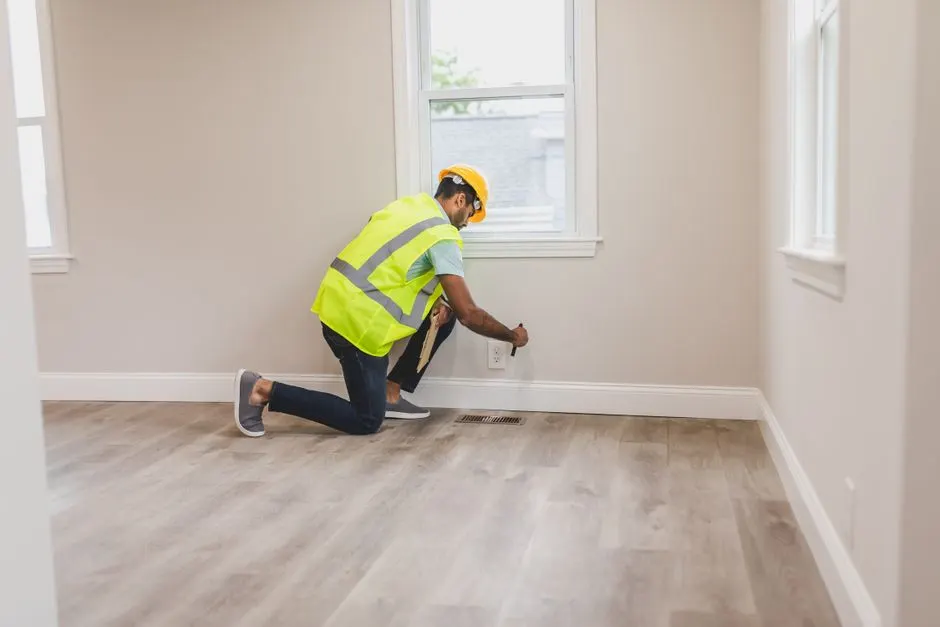


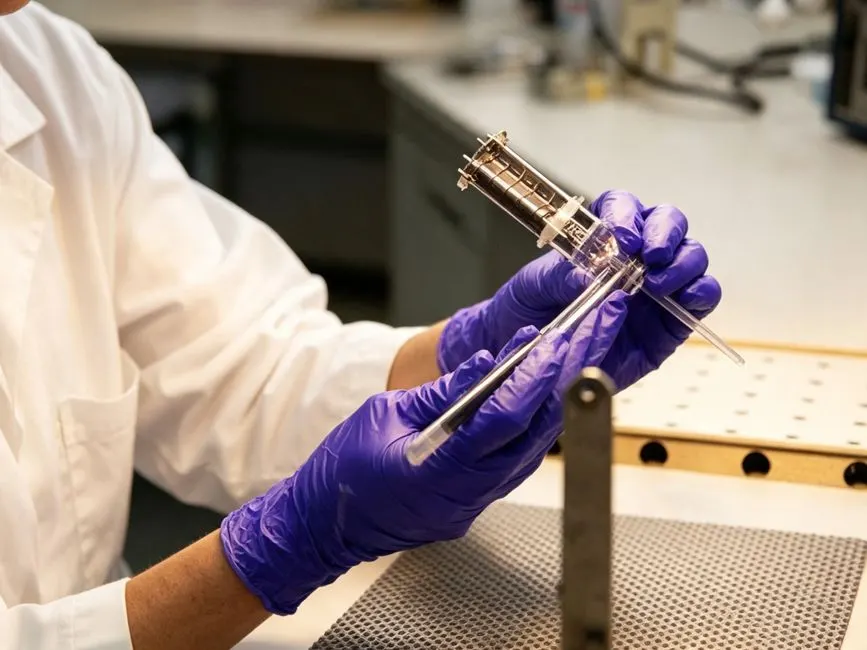
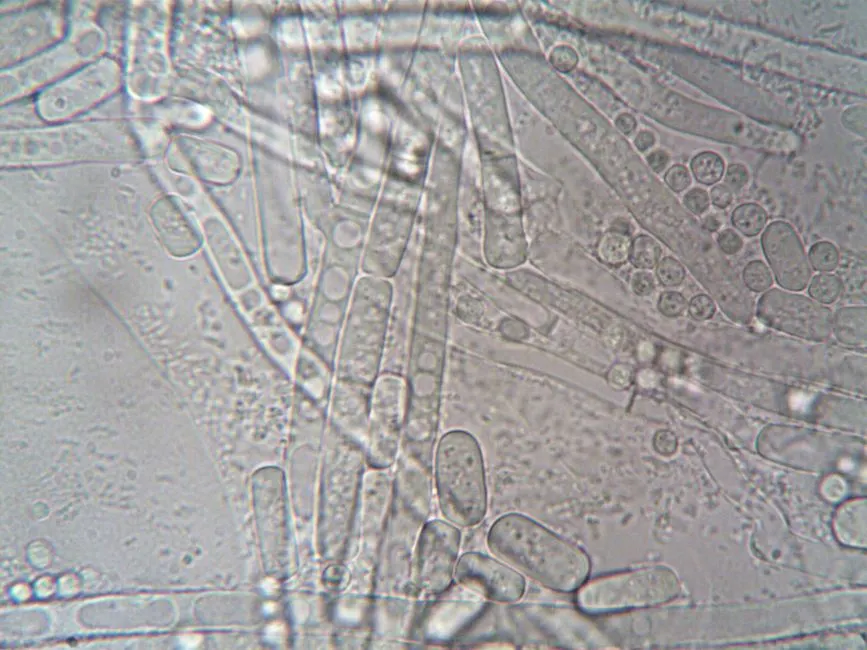
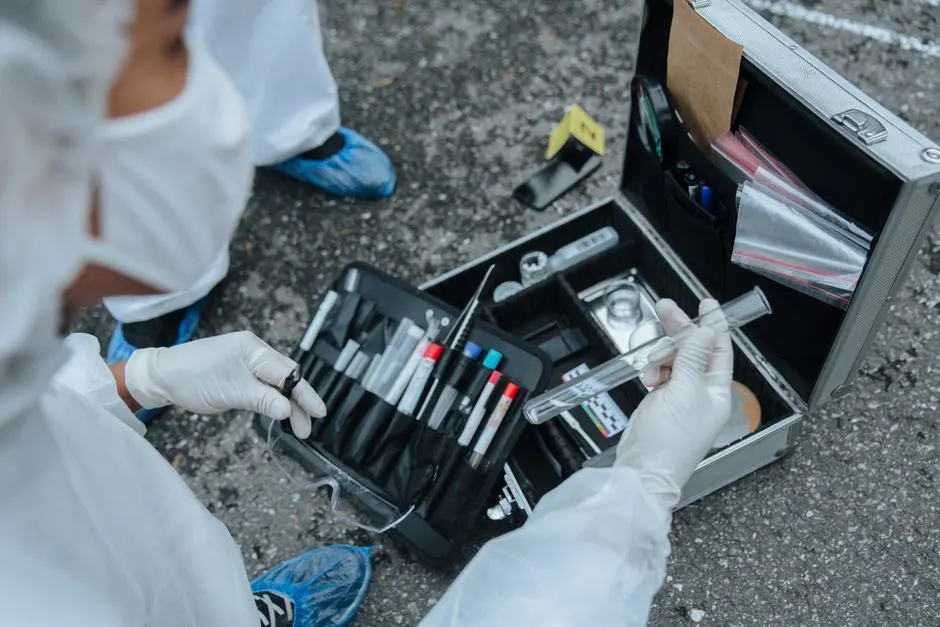


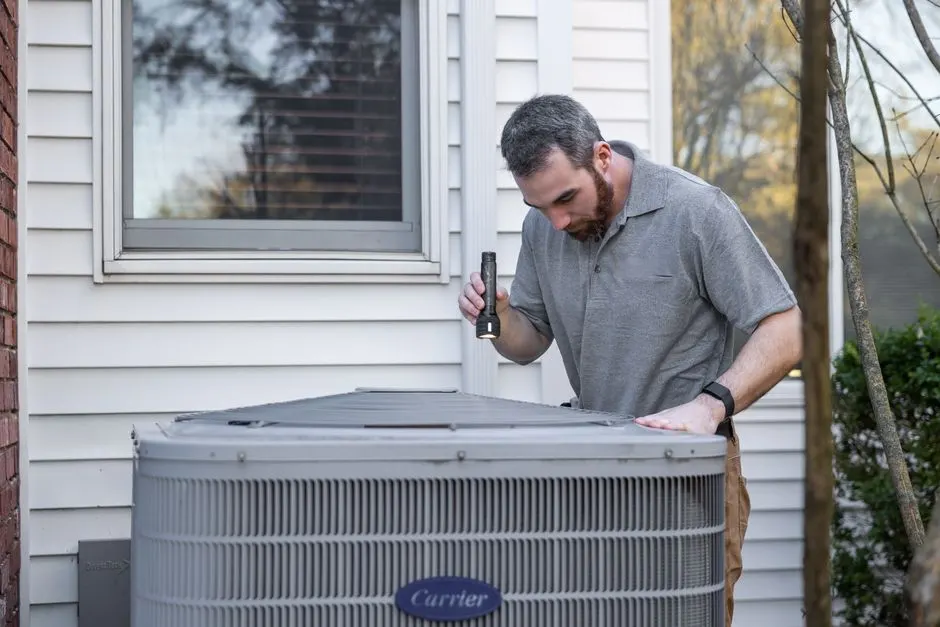

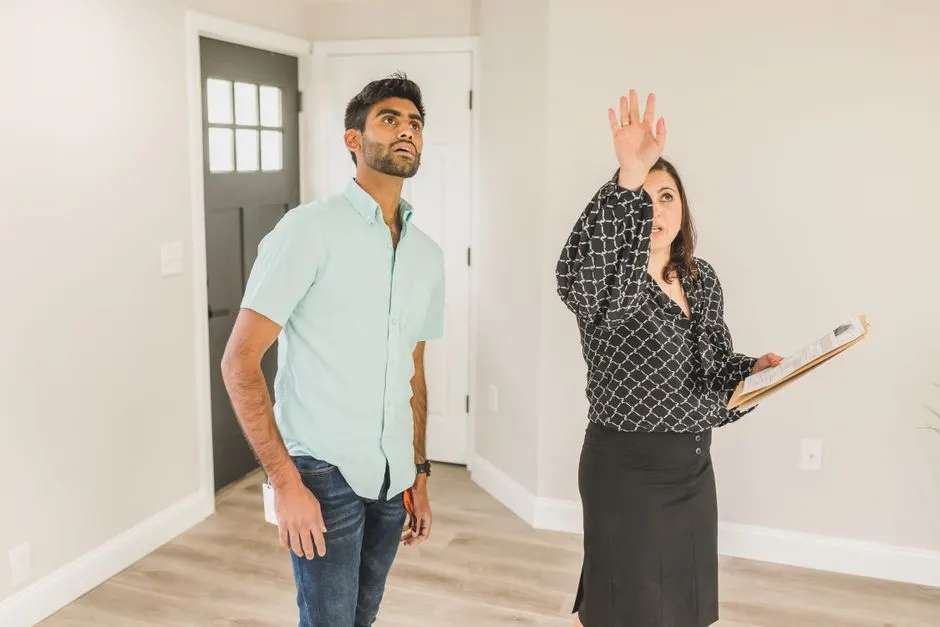
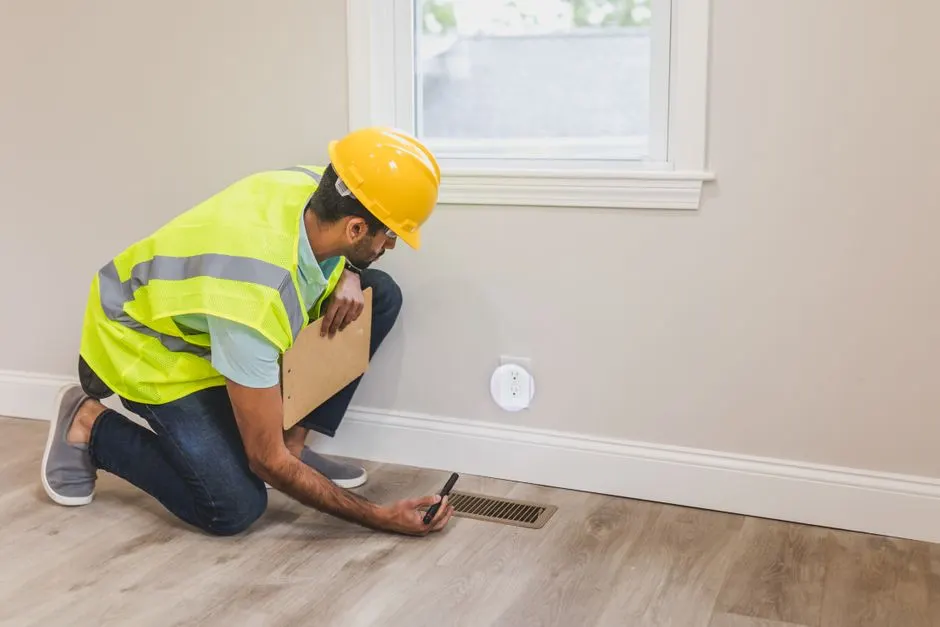


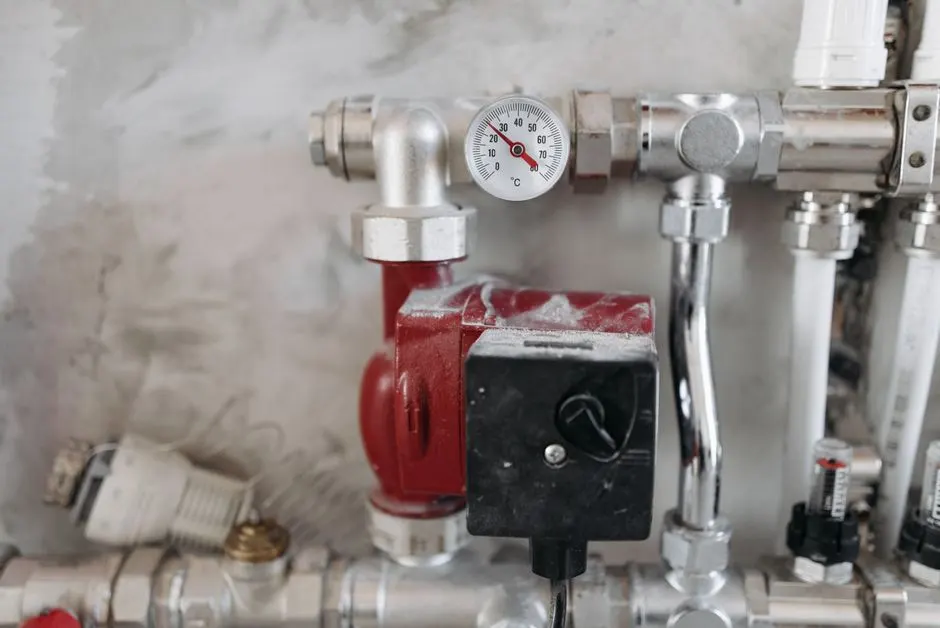

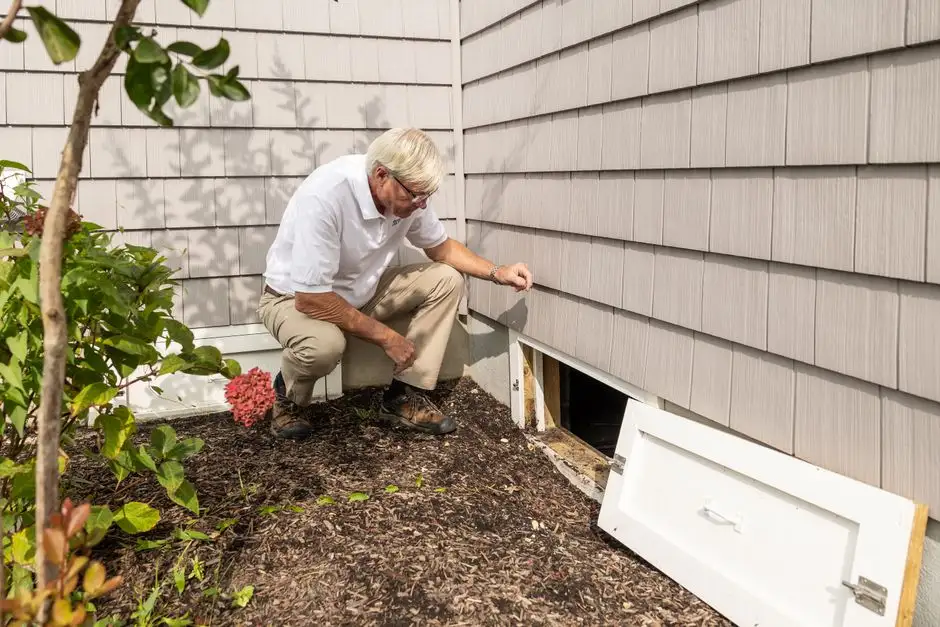
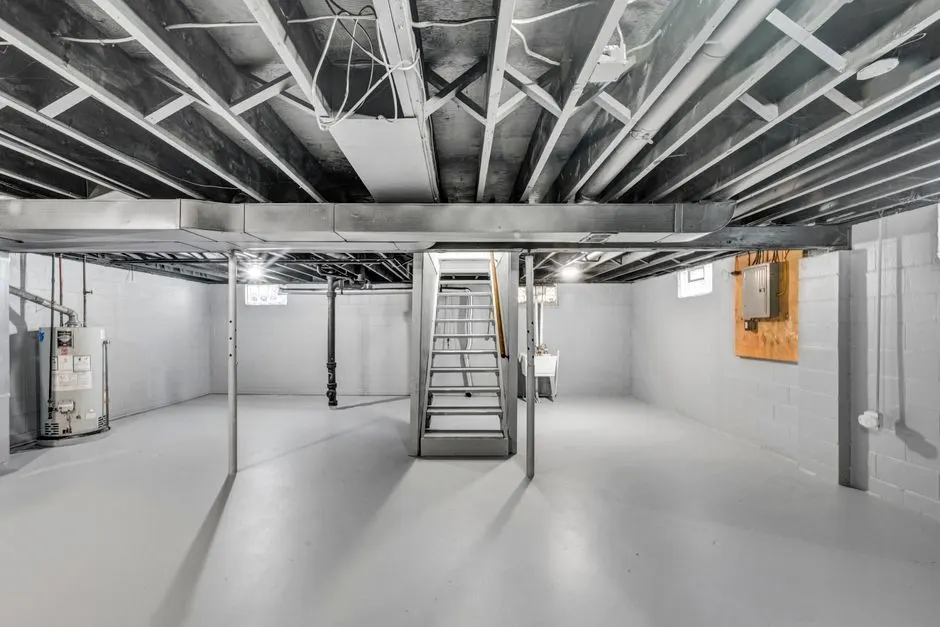
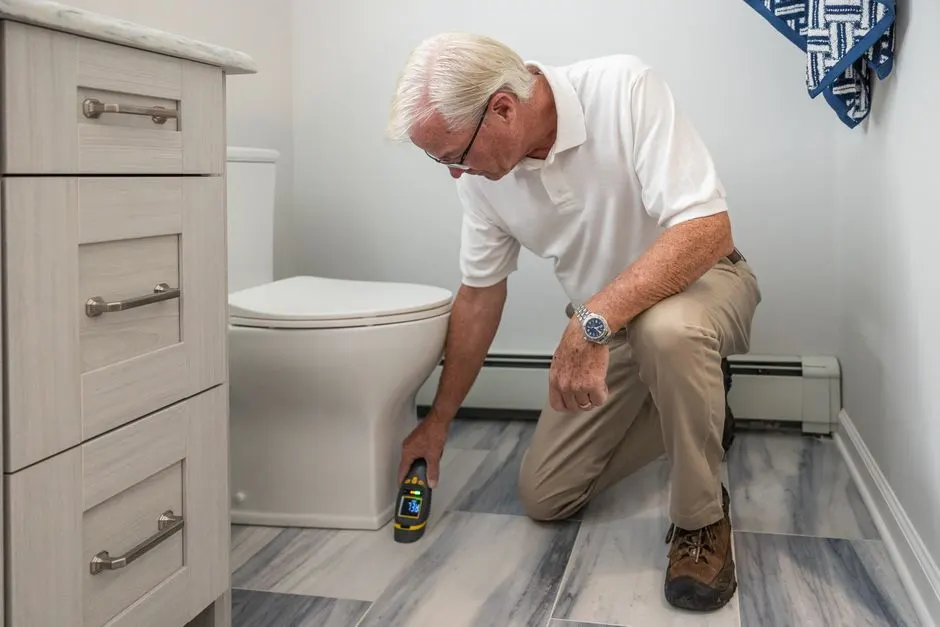
South End's building mix creates different moisture pathways: historic industrial buildings converted to mixed-use spaces, dense new apartments, and established homes all have distinct assemblies and maintenance histories. Warm humid summers can contribute to condensation on cooled surfaces, while plumbing leaks and water intrusion create localized dampness in any season. Our South End mold inspection and testing starts with the source and material, not an assumption based on a stain. We document visible conditions, humidity, and moisture readings before recommending lab analysis or further access.
Warm, humid outdoor air meeting cool interior surfaces can create condensation, especially when ventilation or humidity control is insufficient. Repeated wetting may affect paint, trim, and adjacent drywall. This is a moisture pattern to investigate, not proof of mold by itself.
A supply line, drain, or fixture leak can wet wall cavities and flooring before visible staining develops. In apartments and condominiums, shared plumbing routes can complicate the source. Damp materials left in place can support hidden mold growth.
Converted buildings can contain varied materials, old and new partitions, and mechanical zones with different ventilation patterns. A persistent odor may come from a localized damp area or a source outside the immediately affected room, so the smell alone does not identify mold.
Inadequate ventilation, roof leaks, plumbing issues, or ground moisture can keep enclosed spaces damp. These conditions are property-specific and should not be inferred from neighborhood location. In accessible spaces, prolonged moisture can affect framing and stored materials.
Call for an inspection when a musty odor persists after cleaning, a leak leaves damp materials, or staining returns after repainting. In South End's apartments and converted buildings, a problem can sit behind finishes or near shared plumbing without an obvious source. A residential mold inspector near South End can check visible conditions, measure moisture, and determine whether sampling is worthwhile. Move promptly after active water intrusion: drying wet materials within 24-48 hours reduces the chance that prolonged dampness will support growth. Do not cover a wet wall before the source is addressed.
Musty odor returns after cleaning
A recurring odor can point to damp material or hidden mold growth beyond the cleaned surface. Note where it is strongest and whether it changes when the HVAC runs. Schedule an inspection soon, especially if the odor follows a leak or appears in more than one room.
Water stain grows after rain
A stain that expands or darkens suggests continuing moisture, possibly from a roof, window, or exterior opening. Photograph the change and check for soft materials without opening the wall yourself. An active leak needs prompt repair, followed by moisture assessment and drying.
Window or vent surfaces stay wet
Repeated condensation can wet paint, trim, or nearby drywall and create conditions for growth. In humid weather, record when the moisture appears and whether ventilation is operating. Persistent wetness deserves a humidity and moisture check before surface deterioration spreads.
Growth returns in the same bathroom corner
Recurring spots after cleaning often mean the moisture source remains, such as poor exhaust, a leak, or water trapped behind a finish. We inspect the surface and nearby materials and check ventilation. Avoid repeated paint-over repairs until the area is dry and the cause is addressed.
Odor appears when HVAC starts
A musty odor that begins with system operation can point to moisture near accessible HVAC components, a wet filter, or another source pulled into airflow. Turn off the system if you see active water, and arrange an inspection of accessible components and nearby surfaces.
We use familiar South End landmarks to orient routes and confirm the right block, not to suggest that a landmark causes mold or creates a service need. The Rail Trail runs through the district and helps distinguish nearby streets when arranging a visit. Atherton Mill, Charlotte Trolley Powerhouse, and Sycamore Brewing are useful reference points for confirming general location. For appointments near New Bern Station, we ask for the building entrance and unit details because transit access does not replace property access instructions.
The Rail Trail is a prominent multi-use corridor through South End and provides a recognizable orientation point when confirming nearby streets. We still use the property address and entrance instructions to locate your unit precisely.
Atherton Mill is a recognizable South End destination that helps orient visitors to the district's central area. It can help clarify which side of the neighborhood a property is on, but the service appointment is always set to your exact address.
The Charlotte Trolley Powerhouse is a historic South End landmark useful for general neighborhood orientation. Sharing it as a reference can help distinguish the nearby area when you describe a property location.
Plus surrounding Mecklenburg County neighborhoods, with same-day routing on most appointments.
Averaging 4.9 / 5 across verified reviews.
“Our apartment had a musty smell after a small leak, and the inspection was focused on the bathroom wall and adjoining room. The technician took moisture readings, explained why one surface sample made sense, and sent a clear report with the lab result. We knew which material needed attention instead of guessing from the odor.”
Maya R.
South End
“We needed an inspection for a commercial suite in a converted building. The team coordinated entry with property management, checked the ceiling stain and nearby HVAC area, and documented readings by location. The report was direct and useful for our repair discussion. They did not claim the thermal scan alone proved mold.”
Chris T.
Atherton Mill area
“I called about window condensation and spots in my Wilmore home. The inspector checked the room, measured humidity, and showed me the difference between a damp surface and a dry comparison area. The explanation was straightforward, and I left with specific ventilation and follow-up steps rather than an unnecessary sampling package.”
Elena W.
Wilmore
In November, South End owners should watch for indoor condensation as cooler outdoor air meets heated rooms and moisture from showers or cooking remains inside. Winter can reveal leaks and cold-surface condensation; spring brings rain-related water entry, while summer humidity raises the risk of persistent indoor dampness. If you need air quality mold testing South End NC, the best timing depends on the concern and building conditions, not the season alone. We record the conditions present during the visit and explain how they relate to the reported issue.
Spring rain can expose weak window seals, roof transitions, and drainage problems. After a storm, inspect ceilings and exterior-facing walls for new staining. A leak that stops quickly can still leave damp insulation or drywall behind a finished surface.
Tip: Photograph new stains and note when they appeared. If materials remain damp after 24-48 hours, arrange moisture checks and address the water source before painting or replacing finishes.
Warm humid summers increase the difference between outdoor humidity and cooled indoor surfaces. Condensation may appear around registers, windows, or poorly insulated sections. HVAC drainage or ventilation problems can add moisture indoors.
Tip: Use exhaust ventilation during showers and cooking, and watch for recurring wet surfaces. Record indoor humidity with a hygrometer; persistent readings above about 60% deserve attention and a check for moisture sources.
As temperatures shift, intermittent heating and cooling can change condensation patterns. Leaves and seasonal rain can also reveal drainage or roof concerns. Musty odors may become more noticeable when windows stay closed and indoor air circulation changes.
Tip: Check around windows, HVAC equipment, and known leak locations before closing up for colder weather. Repair active water entry and dry affected materials rather than masking odors with fragrance.
Cooler weather can leave exterior walls, window frames, and other cold surfaces vulnerable to condensation indoors. Heating does not remove moisture by itself, and bathrooms or kitchens can keep humidity elevated in tightly closed spaces.
Tip: Run exhaust fans during moisture-producing activities and keep indoor humidity near 30-50% where practical. Wipe recurring condensation, then call for an inspection if staining, odor, or damp materials persist.
South End is one part of our Charlotte service area, and nearby locations share a practical route network while retaining different building conditions. We schedule inspections across Uptown Charlotte, Dilworth, and other listed communities, coordinating each visit with the property type and access needs. If a leak or suspected growth affects more than one address, we can discuss the related locations and keep findings organized by property. Our coverage remains within the Charlotte region and Mecklenburg County.
(City)
Uptown Charlotte lies north of South End, with direct city-street connections and shared access to central Charlotte services.
View Uptown Charlotte(City)
NoDa is northeast of South End; travel crosses central Charlotte, and appointments are scheduled as part of the wider service area.
View NoDa(City)
Plaza Midwood is east of the central city, a separate neighborhood service area connected to South End by Charlotte's street network.
View Plaza Midwood(City)
Elizabeth sits east of Uptown and north-east of South End, within the same Charlotte inspection region.
View Elizabeth(City)
Dilworth directly borders South End, so addresses in both areas can be coordinated within nearby route planning.
View Dilworth(City)
SouthPark is south of central Charlotte and forms another nearby service area for residential and commercial inspections.
View SouthParkReal answers from our team for the questions we hear most often before a job starts.
Mold Inspection and Testing in South End gives you a clear account of the moisture conditions and suspected growth affecting your property. If you have a leak, recurring odor, visible staining, or a real estate deadline, call Charlotte Mold Testing and tell us what you are seeing. We serve South End and nearby Mecklenburg County communities. Call +18668968166 to schedule your inspection and discuss whether sampling is appropriate.
Call +1 866-896-8166 to tell us what you have noticed and where the property is located. Our team is available Monday through Friday, 8:00 a.m. to 6:00 p.m., to discuss inspections, sampling, and crawl space concerns across Charlotte, North Carolina. Share any leak history or affected rooms so we can focus the conversation on your property.
Phone
+18668968166Address
Charlotte, North Carolina
Hours
Mon–Fri: 7AM – 7PM
Sat: 8AM – 4PM
Sun: Emergency Only
24/7 Emergency Available