Logo
Get Estimate

Bathroom Mold Inspection Charlotte NC: Find the Source

Clear answers for damp bathrooms, leaks, and visible growth


Bathroom Mold Inspection Charlotte NC helps you find visible mold, hidden moisture, and the source of recurring bathroom dampness before repairs begin. We inspect for Charlotte homeowners, landlords, and property managers dealing with musty odors, staining, leaks, or mold around showers and vanities. Our bathroom mold assessment Charlotte NC service pairs a room-by-room visual review with moisture measurements and targeted sampling when evidence supports it.

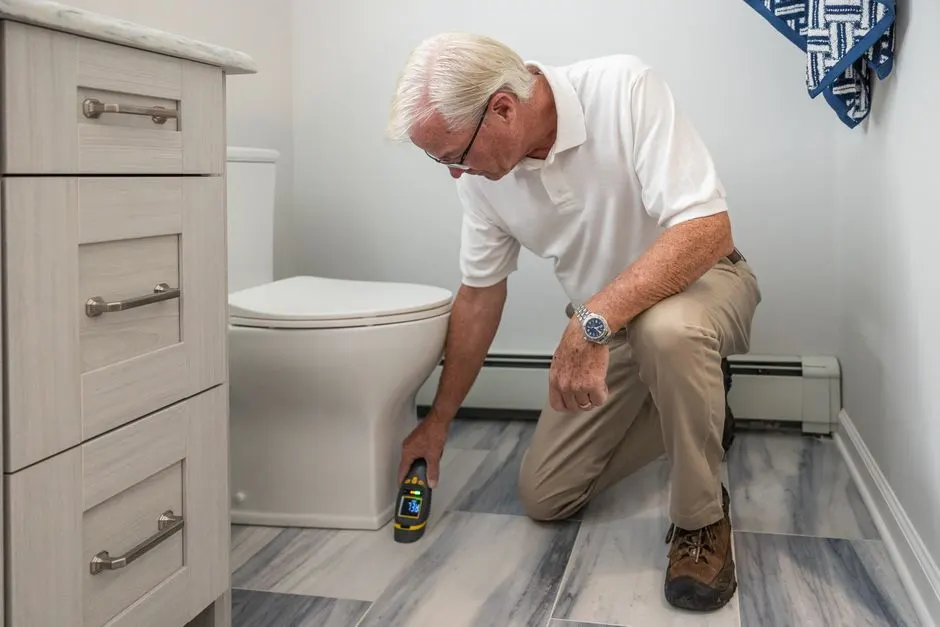
A senior man using a device to inspect a bathroom for maintenance or repair.
Licensed Licensed & Bonded
Fully Insured Insured & Bonded
24/7 Emergency Same-Day Response
Warranty Backed Workmanship Guaranteed in Charlotte

What a Bathroom Inspection Covers

A standard visit covers the bathroom's visible surfaces, accessible plumbing points, ventilation, room humidity, and moisture readings in relevant materials. We document findings and explain next steps. Laboratory sampling, invasive openings, leak repair, and remediation are separate work because they require a defined reason, additional equipment, or another trade. We tell you when those steps are relevant rather than treating them as automatic parts of every inspection.

Visual room inspection

We examine the shower or tub, tile joints, caulk, vanity, toilet connections, ceiling, walls, trim, and floor edges. We note staining, peeling finishes, soft materials, visible growth, and areas where water may be entering or collecting.

Moisture and humidity readings

We take targeted readings in accessible materials and record bathroom humidity. Comparisons with nearby dry areas help show whether a concern is localized. Readings are interpreted with material type and recent water use in mind.

Ventilation review

We check the exhaust fan's operation and look for condensation patterns around ceilings, mirrors, and exterior walls. We discuss whether the fan runs during bathing and afterward, since short run times can leave excess humidity in the room.

Targeted sampling option

When testing can answer a specific question, we explain sample location and type before collection. Surface or air samples may be submitted for analysis; sample count and laboratory work affect the visit cost and reporting timeline.

Findings and next steps

You receive a location-based summary of observations, readings, and any sample results available. We identify the moisture issue to address first and explain whether follow-up inspection, repair, drying, or a separate remediation evaluation is appropriate.

Bathroom Mold Inspection Charlotte NC Explained


Bathroom Mold Inspection Charlotte NC is a residential indoor environmental inspection that identifies bathroom moisture conditions, visible mold, and signs of concealed growth so you can choose a sound next step. We check the shower, tub surround, vanity, toilet supply, floor edges, exhaust fan, ceiling, and adjacent rooms. A pinless moisture meter screens broad surfaces; a pin-type meter confirms readings at selected points. If conditions warrant, we use targeted surface or air sampling and document locations, readings, and limitations in a written report.

Charlotte bathrooms face repeated humidity spikes, plumbing leaks, and condensation on cool surfaces, especially when an exhaust fan is weak or runs too briefly. A Charlotte bathroom mold inspector looks beyond dark grout to assess whether water is reaching drywall, trim, or flooring. After a supply-line leak or shower-pan concern, we can inspect bathroom walls for hidden mold Charlotte and distinguish a surface-cleaning issue from moisture that needs repair. The inspection focuses on evidence, not assumptions based on color or odor alone.

What Happens During the Visit

Bathroom Mold Inspection Charlotte NC follows a straightforward sequence: we discuss the problem, inspect the room, measure moisture, and explain the findings. Most single-bathroom visits take about 1 to 3 hours, depending on access, room size, and sampling needs.

01

Schedule

Call or book online — a real human picks up and confirms a 2-hour arrival window.

02

Diagnose

Licensed tech inspects on-site, then walks you through the cause and your options.

03

Fix

The job is completed to code and done right the first time — no shortcuts, no surprises.

04

Guarantee

Every job backed by a written workmanship warranty — and we stand behind it.

Tools and Inspection Methods

Tools & Equipment

FLIR infrared thermal camera

We use FLIR thermal imaging to locate unusual surface-temperature patterns that may guide moisture checks. Thermal images do not confirm mold; we verify relevant areas with a moisture meter.

Tramex pinless moisture meter

A Tramex pinless moisture meter screens broad wall and floor areas without leaving probe marks. We compare readings across similar materials and investigate meaningful differences.

Protimeter pin-type moisture meter

A Protimeter pin-type moisture meter checks selected material points where a non-invasive screen suggests dampness. It supports more focused assessment of accessible drywall, trim, or wood.

Dwyer Instruments hygrometer

A hygrometer records relative humidity in the bathroom during the visit. We interpret the reading with ventilation, recent shower use, and visible condensation rather than treating one measurement as a mold diagnosis.

Air sampling pump and spore trap cassette

When air sampling is appropriate, a pump draws a measured air volume through a spore trap cassette. We document the sample location and interpret laboratory results alongside room conditions and visual evidence.

Borescope

A borescope can view a concealed cavity through an existing opening when access is available. It helps assess a suspected hidden area without assuming that a surface scan alone reveals the wall interior.

Methods & Standards

Moisture mapping and comparison

We record readings at affected and nearby reference areas, noting material type and exact location. Comparing similar surfaces is more useful than treating one isolated meter result as decisive. The map helps identify whether dampness follows a plumbing route, shower boundary, or floor transition and gives repair professionals a focused area to address.

Thermal screening with confirmation

Infrared screening highlights temperature differences that may reflect moisture, air movement, or material variation. We check suspicious patterns with direct moisture measurements and visual inspection. This two-stage approach avoids labeling a thermal image as proof of mold and helps decide whether further access is justified.

Targeted sampling

We choose a surface or air sample only when it addresses a defined question, such as identifying visible material or comparing airborne conditions. Sample type, location, and handling are documented. Laboratory results are interpreted with the bathroom's moisture history and inspection observations, not as a substitute for finding and correcting water.

Ventilation and condensation review

We inspect the exhaust fan, visible discharge concerns, and condensation-prone surfaces, then ask how the fan is operated. We consider room humidity and signs of persistent indoor dampness. Correcting ventilation can reduce repeat condensation, but an active plumbing leak or wet material still requires direct repair and drying.

When to Schedule an Inspection

01

A Charlotte shower develops recurring dark corners despite regular cleaning and fresh caulk.

What we do: We inspect the shower enclosure, grout and caulk lines, fan performance, and adjacent wall materials. Humidity and moisture readings help determine whether the pattern is limited to the surface or linked to persistent dampness. We recommend sampling only when it will clarify a specific concern.

→ You learn whether to focus on ventilation and surface care or investigate a moisture source before replacing finishes.

02

A toilet supply line leaks in a University City home and dampens flooring beside the vanity.

What we do: After the leak is stopped, we check affected flooring, accessible baseboards, vanity panels, and the adjoining wall. Readings are compared with unaffected areas, and we document where drying or a repair professional should focus. A follow-up check can confirm that materials have returned to dry conditions.

→ You get a location-based record for repair planning instead of relying on the visible puddle as the full extent.

03

A South End rental has a musty bathroom odor after the exhaust fan stopped working.

What we do: We assess room humidity, visible condensation, ceiling and wall finishes, and nearby materials. We document the fan issue and look for signs that moisture has affected surfaces. If there is no evidence of growth or concealed dampness, we explain that clearly and identify what to recheck after ventilation is restored.

→ The property manager can repair the fan and make a targeted follow-up rather than starting unnecessary demolition.

04

A buyer notices a stained bathroom ceiling during a Charlotte home walkthrough.

What we do: We inspect the stain, accessible ceiling and wall surfaces, plumbing above or nearby where accessible, and the attic or adjoining area if the evidence supports it. Moisture readings and visual observations help distinguish an old dry mark from an active concern requiring investigation.

→ The buyer receives documented findings and a practical list of questions or repairs to resolve before cosmetic work.

How Bathroom Inspections Work in Charlotte

Bathroom Mold Inspection Charlotte NC accounts for Charlotte's humid summers, wet winter weather, and long shower seasons when windows stay closed. High indoor humidity and weak exhaust can leave condensation on ceilings, exterior walls, mirrors, and tile joints. We check the actual room conditions and materials rather than assuming every spot comes from climate. Many local properties include renovated bathrooms where new tile or finish layers can conceal older plumbing details; we inspect accessible connections and transitions carefully. In older homes around Dilworth and Elizabeth, settled finishes and prior repairs can make the water path less obvious. In newer apartments, shared plumbing routes and compact exhaust systems can affect adjacent units. A Charlotte bathroom mold inspector also considers whether staining below a bathroom could trace to a toilet seal, shower assembly, or supply connection. For a professional bathroom moisture inspection near Charlotte, we document readings, explain limits on non-invasive viewing, and recommend next steps based on evidence. We serve Mecklenburg County neighborhoods and use EPA-recognized mold and moisture guidance to frame practical findings, not to replace local building-code or repair requirements.

Neighborhoods We Serve

  • Dilworth

    Older homes and remodeled bathrooms can have several generations of tile, caulk, or plumbing work. We compare suspect areas with nearby materials and trace moisture patterns instead of assuming the newest finish is the source.

  • South End

    Condos and apartments may have compact bathrooms and shared plumbing routes. We document the affected unit, accessible surfaces, and any moisture pattern extending beyond the shower or vanity.

  • University City

    Family homes and rentals often see frequent shower use. We check fan operation, room humidity, and floor edges where repeated wetting can affect trim or adjacent materials.

  • Myers Park

    A ceiling stain or odor can relate to plumbing above, a shower assembly, or older repairs. We inspect accessible areas and identify when an attic or adjoining-room check is warranted.

Local Conditions We Plan For

  • Humid summer air and limited bathroom exhaust

    Moist outdoor air and repeated showers can keep surfaces damp, especially when a fan is undersized or switched off immediately. We measure room humidity, inspect condensation patterns, and check nearby materials to separate ventilation concerns from a plumbing leak.

  • Heavy rain and water intrusion around openings

    Wind-driven rain can reveal a ceiling or wall stain that resembles a bathroom leak. We consider the location, timing, and material readings, then recommend adjacent-area investigation when the moisture pattern does not match plumbing fixtures.

  • Renovations that cover older bathroom materials

    New flooring, tile, or wall finishes can obscure prior damage and make direct inspection limited. We assess accessible edges and use non-invasive screening first, then explain whether a borescope view or opening by a qualified repair professional is needed.

Recurring Shower-Corner Growth

Before

A homeowner in Plaza Midwood cleaned dark spots from two shower corners every few weeks. The fan ran only during bathing, and the wall outside the enclosure felt cool. No one had checked humidity or the condition behind the adjoining trim, so the recurring marks were treated as a housekeeping problem.

After

We inspected the shower edges, measured room humidity, and compared moisture readings at the exterior wall and a dry interior wall. The evidence pointed to persistent condensation rather than a plumbing leak. The homeowner received a clear finding, a ventilation correction priority, and guidance to reassess the corner after the room dried.

Maintenance: Run the exhaust fan during bathing and for about 20 minutes afterward, keep the door open when practical, and watch for recurring condensation. Recheck the same wall and caulk line after ventilation changes.

Before

A Charlotte rental had a slow vanity supply leak that left a swollen cabinet base and a musty smell. The visible drip was repaired, but the tenant could not tell whether water had reached the wall or flooring beneath the cabinet.

After

We checked the vanity panel, accessible baseboard, floor edge, and adjacent wall, comparing readings with unaffected surfaces. The inspection documented damp materials requiring drying and a localized follow-up. The report helped the manager coordinate drying before ordering new cabinetry or covering the affected area.

Maintenance: After repairs, keep the cabinet open while materials dry and avoid sealing wet surfaces behind new panels. Monitor the same floor edge and cabinet base; arrange follow-up if odor or elevated readings persist.

Before

A South End condo owner noticed a yellow ceiling mark outside the bathroom and blamed a leaking shower. The spot had widened over several weeks, but there was no fresh drip and the bathroom surfaces looked dry.

After

We inspected the ceiling and bathroom boundaries, checked accessible moisture points, and reviewed the timing of the stain. Readings and location suggested a separate source needed investigation above the ceiling rather than a shower-surface issue. The owner received a documented area for the appropriate repair trade to investigate.

Maintenance: Photograph the ceiling mark periodically and note changes after rain or plumbing use. Do not repaint until the source is identified and the material is dry; request reassessment if the stain expands.

Find Hidden Bathroom Moisture Early

A bathroom can look clean while a slow leak or trapped humidity damages materials behind the finish. We trace the visible symptom to likely moisture pathways and explain what evidence supports further investigation. If you need to check under bathroom flooring for mold Charlotte, we assess accessible edges and readings first, then clarify when additional access is necessary.

Problem

A musty odor returns even after scrubbing the shower

The smell can point to damp material, concealed growth, or a drain and ventilation issue that surface cleaning does not correct.

Our Fix

We inspect the shower enclosure, drain area, fan, nearby wall, and accessible vanity surfaces. Moisture readings help determine whether the odor is associated with damp building material. If the evidence points to a plumbing or drainage source, we document the location and recommend addressing that source before cosmetic work.

Problem

Paint bubbles beside a shower or vanity

Repeated wetting can loosen paint and damage drywall, trim, or cabinet panels, allowing deterioration to continue beneath the visible patch.

Our Fix

We compare the damaged area with surrounding surfaces, check likely plumbing penetrations, and measure moisture at selected points. Thermal patterns can guide follow-up but are confirmed with direct readings. You get a clear indication of whether the area appears dry, remains damp, or needs further access after the leak is stopped.

Problem

Mold-like spots keep appearing on grout and caulk

Recurring spots can signal persistent condensation or failed sealant; ignoring the conditions may spread staining and leave adjacent materials wet.

Our Fix

We examine where growth reappears, check humidity and fan operation, and assess nearby wall or floor materials. The findings help distinguish a surface maintenance issue from a moisture problem requiring repair. If sampling is useful, we select a targeted method and explain what the result can establish.

Problem

A leak has soaked the bathroom floor

Water can travel beneath flooring and into the subfloor, leaving hidden dampness even after the visible puddle is gone.

Our Fix

We map accessible floor edges and adjacent areas with moisture readings, document the apparent extent, and identify locations for drying or repair follow-up. We do not assume that the surface has dried through. If concealed conditions remain uncertain, we explain what further inspection or opening would answer the question.

Clear Findings, Practical Next Steps

Clear Findings, Practical Next Steps

Our inspection connects the visible symptom to measurable moisture conditions, so you know what needs attention first. You receive observations tied to specific bathroom locations, sampling results when collected, and repair priorities you can discuss with the appropriate trade professional.

  • Find moisture pathways

    We check likely entry points around supply lines, drains, shower edges, grout joints, and the toilet base, then compare readings across nearby materials. A 1- to 2-hour visit often identifies whether dampness is localized or extends into an adjoining wall or floor. You get a clear record of the suspected pathway rather than a guess based on one stained patch.

  • Separate staining from growth

    Dark grout, soap residue, and mineral deposits can resemble mold, but they do not all call for the same response. We inspect texture, location, moisture, and surrounding materials, then recommend a surface sampling swab or tape-lift sampling kit only when it can answer a useful question. That helps you avoid paying for unnecessary laboratory work.

  • Check concealed areas carefully

    An infrared thermal camera can show temperature patterns that warrant closer moisture checks, but it does not identify mold by itself. We pair thermal images with meter readings and, where appropriate, a borescope through an existing opening. The result is a better-informed decision about whether wall or floor investigation is justified.

  • Get a usable action plan

    Your report organizes findings by room location, moisture evidence, and sampling outcome, if samples were taken. We explain which repair should happen first, such as stopping a leak or correcting exhaust performance, and what to recheck afterward. You can use the findings to coordinate a plumber, remediation contractor, or property manager without confusing symptoms with causes.

Credentials and Work Standards

Licensed & Certified

  • ACAC Council-certified Indoor Environmentalist — issued by American Council for Accredited Certification
  • ACAC Council-certified Microbial Consultant — issued by American Council for Accredited Certification
  • IICRC Applied Microbial Remediation Technician — issued by Institute of Inspection, Cleaning and Restoration Certification
  • IICRC Applied Microbial Remediation Specialist — issued by Institute of Inspection, Cleaning and Restoration Certification

Verified Reviews

Google ★★★★★4.9

A homeowner described a focused inspection after a bathroom leak, including moisture checks around the vanity and floor. The findings identified where drying and repair were needed, and the report helped the owner avoid replacing unaffected materials.

Yelp ★★★★★4.8

A Charlotte customer reported recurring shower mildew and appreciated that the inspector checked ventilation and humidity instead of recommending sampling automatically. The explanation separated a surface issue from evidence that would call for additional investigation.

Google ★★★★★5.0

A property manager praised the clear documentation of a bathroom ceiling stain and the practical referral for investigating the area above it. The inspection helped distinguish a bathroom fixture concern from a separate moisture path.

Inspection Knowledge That Matters

Bathroom Mold Inspection Charlotte NC requires more than looking for dark spots. We combine building-material observations, moisture readings, ventilation checks, and targeted sampling to understand the conditions that allow growth. Our team applies local experience to bathrooms in homes, rentals, and commercial properties, including rooms with repeated shower condensation or a history of plumbing leaks. We document the limits of non-invasive inspection and explain when an opening or repair professional is needed. Testing is selected to answer a defined question, not added automatically.

  • We assess tile assemblies, drywall, painted ceilings, vanity panels, trim, and flooring transitions as different materials with different moisture behavior.
  • FLIR thermal imaging helps locate temperature anomalies for follow-up; meter readings establish whether the area is actually damp.
  • We use established moisture and mold guidance, including EPA-recognized mold and moisture guidance, to frame practical observations.
  • When laboratory identification is appropriate, we select sample type and location to match the question rather than relying on one broad test.
  • Our findings distinguish visible conditions, measured moisture, and laboratory results so you can act on what each piece of evidence supports.
Get Started Today
Inspection Knowledge That Matters

Bathroom Inspection Questions

Real answers to the questions we hear most often from local homeowners and property managers.

How much does a bathroom mold inspection cost in Charlotte?
A single-bathroom inspection in Charlotte commonly ranges from $225 to $650 in 2026, depending on room count, access, and whether laboratory samples are collected. We discuss the price upfront before work begins. A straightforward visual and moisture review costs less than a visit requiring multiple samples or investigation of a leak extending into an adjoining room. The written findings explain observed conditions and practical next steps.
Who inspects bathrooms for hidden mold near me?
Charlotte Mold Testing inspects bathrooms for visible mold, moisture patterns, and evidence that may indicate concealed growth. We use moisture meters and thermal screening, then recommend targeted sampling or further access only when findings support it. For a bathroom mold inspection near me in Charlotte NC, call +18668968166 and describe the room, odor, or leak history so we can identify the right inspection focus.
Can bathroom humidity lead to mold behind walls?
Yes, sustained humidity and condensation can support mold growth behind finishes when moisture remains for roughly 24 to 48 hours or longer. A working exhaust fan, dry building materials, and prompt leak repair reduce the risk, but readings and inspection matter more than a rule of thumb. We check humidity, wall surfaces, plumbing penetrations, and adjacent areas to identify whether conditions suggest concealed moisture.
When should I get a bathroom checked after a leak?
Arrange an inspection promptly after active water is stopped, especially if materials remain wet beyond 24 to 48 hours, odors develop, or staining spreads. We can perform a bathroom mold assessment after a plumbing leak Charlotte NC to map affected materials and document moisture. Drying needs to begin quickly; an inspection does not replace leak repair or water removal, but it helps define what needs follow-up.

Related Inspection Services

Residential Mold Inspection

If bathroom staining coincides with odors in bedrooms or closets, a residential inspection checks whether concerns extend beyond one room. We assess related areas and moisture sources so Charlotte homeowners can distinguish a localized bathroom issue from a wider indoor condition.

View Residential Mold Inspection

Commercial Mold Inspection

Restrooms in offices, shops, and multi-tenant buildings see frequent use and repeated wetting. A commercial inspection documents affected rooms, moisture patterns, and access considerations, helping Charlotte property operators plan repairs while keeping findings organized by space.

View Commercial Mold Inspection

Mold Testing and Sampling

Sampling can help identify material or airborne mold when a specific question remains after inspection. We select a surface or air sample based on the bathroom condition, document its location, and explain what the laboratory result can and cannot establish.

View Mold Testing and Sampling

Air Quality Testing for Mold

When a musty bathroom odor seems to travel through the home, air testing can compare indoor samples with relevant conditions. We use an air sampling pump and spore trap cassette when justified, then interpret results alongside the inspection rather than in isolation.

View Air Quality Testing for Mold

Surface Mold Testing

Surface testing can help characterize visible material on grout, drywall, or vanity surfaces. We collect a targeted sample only where the result can inform the next step, such as distinguishing suspected growth from staining or documenting a defined area.

View Surface Mold Testing

Mold Identification and Lab Analysis

Laboratory analysis can identify collected material, but it does not locate the moisture source. We pair sample results with bathroom observations and readings so Charlotte customers can understand the finding and address the condition that supports growth.

View Mold Identification and Lab Analysis

Book Bathroom Mold Inspection Charlotte NC

Stop guessing about the stain, odor, or leak behind your bathroom concern. We inspect, measure, and explain the findings so you can choose the right next step. Call Charlotte Mold Testing at +18668968166 to schedule; upfront pricing is discussed before work begins.

Call our team Schedule Inspection

Contact Charlotte Mold Testing

Call +1 866-896-8166 to tell us what you have noticed and where the property is located. Our team is available Monday through Friday, 8:00 a.m. to 6:00 p.m., to discuss inspections, sampling, and crawl space concerns across Charlotte, North Carolina. Share any leak history or affected rooms so we can focus the conversation on your property.

Or call us right now at +18668968166 — we answer.

Charlotte Mold Testing


  • Phone

    +18668968166
  • Address

    Charlotte, North Carolina

  • Hours

    Mon–Fri: 7AM – 7PM
    Sat: 8AM – 4PM
    Sun: Emergency Only
    24/7 Emergency Available

Call +18668968166 Get Quote
Call Quote