Logo
Get Estimate

Crawl Space Mold Inspection Charlotte NC

Find hidden growth, moisture sources, and next steps


Crawl Space Mold Inspection Charlotte NC helps homeowners, buyers, and property managers identify mold, standing water, and moisture conditions beneath a home. We inspect accessible areas, document visible concerns, and recommend targeted sampling when evidence calls for it. If musty odors, damp insulation, or recent flooding have you worried, our team gives you clear findings and practical next steps for your Charlotte property.

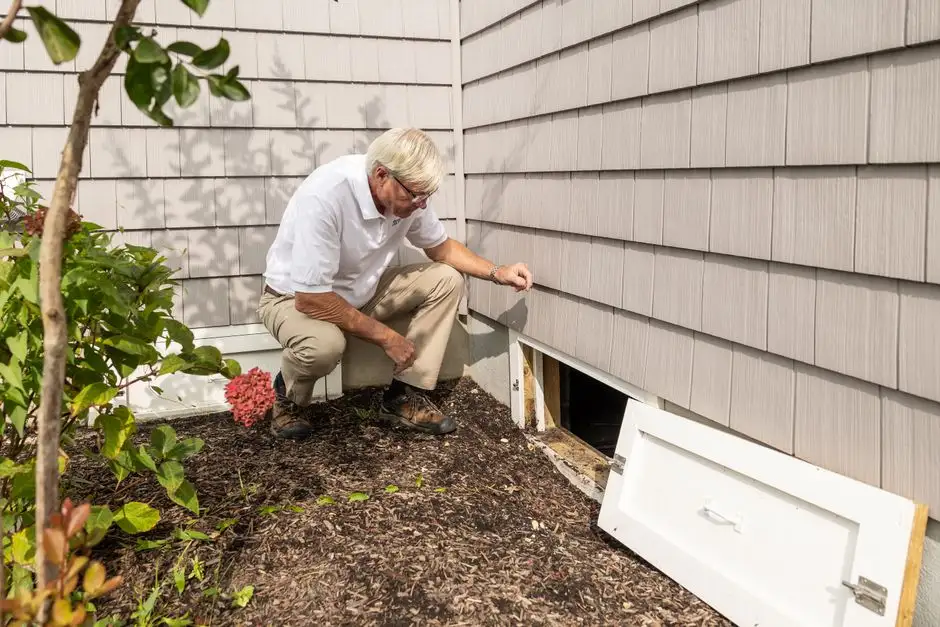
Senior adult inspecting a crawl space entrance during a home inspection on a sunny day.
Licensed Licensed & Bonded
Fully Insured Insured & Bonded
24/7 Emergency Same-Day Response
Warranty Backed Workmanship Guaranteed in Charlotte

What Your Crawl Space Inspection Includes

Crawl Space Mold Inspection Charlotte NC covers an accessible visual review, moisture checks, documentation, and a discussion of likely causes and next steps. Sampling is added when it answers a defined question; laboratory analysis is not a substitute for inspecting the site. We identify access limits and separate observed conditions from areas that could not be reached, so your findings remain clear and useful.

Accessible Area Review

We examine reachable framing, insulation, foundation surfaces, plumbing, and ground cover for visible growth, staining, wet materials, or signs of water entry. Findings are tied to their location, and we note areas blocked by low clearance, stored items, or unsafe conditions.

Moisture Measurements

We check suspect building materials with an appropriate moisture meter and record crawl-space humidity conditions. Readings are interpreted in context because material type, temperature, and location affect what a measurement means. The goal is to identify patterns that need attention.

Photographs and Notes

Photographs and written observations help you understand where the issue appears and what was visible during the visit. We record relevant moisture sources and access limitations, giving you a usable reference for a repair contractor or follow-up inspection.

Targeted Sample Guidance

If sampling can clarify a concern, we explain the proposed method, location, and question it is intended to answer. Depending on the surface or air concern, collection may use a sterile sampling swab, tape-lift sampling slides, or an air sample cassette.

Prioritized Next Steps

You receive practical recommendations based on the findings, such as controlling a leak, correcting drainage, drying materials, or arranging additional evaluation. We distinguish immediate moisture concerns from items that can be monitored after the source has been corrected.

Crawl Space Mold Inspection Charlotte NC


Crawl Space Mold Inspection Charlotte NC is a building-health inspection that checks a home's underfloor area for visible mold, moisture sources, and conditions that support hidden growth. We assess accessible framing, insulation, vapor barriers, piers, plumbing, and ground surfaces, then record moisture readings and site conditions. A pin-type moisture meter helps check suspect wood; a hygrometer records relative humidity. If a sample is warranted, we explain the target and collection method before proceeding. You receive findings tied to observed conditions, not a guess based on odor alone.

Charlotte's humid summers, heavy rain, and periods of wet soil can leave crawl spaces damp even when living areas look dry. Homes in Mecklenburg County may also have plumbing leaks, poor drainage, blocked vents, or torn ground covers that keep moisture near wood. A crawl space mold assessment Charlotte NC connects visible growth and musty odor with likely moisture pathways. If you need to inspect a crawl space for mold and moisture Charlotte, we look for the source as well as the affected material, helping you decide whether repairs, sampling, or follow-up testing makes sense.

What Happens During Inspection

Crawl space mold inspection in Charlotte follows a clear sequence: understand the concern, inspect accessible areas, measure moisture, and report findings. Most visits take about 1.5 to 3 hours, depending on access, size, and conditions. We explain each step so you know what we are checking and why.

01

Schedule

Call or book online — a real human picks up and confirms a 2-hour arrival window.

02

Diagnose

Licensed tech inspects on-site, then walks you through the cause and your options.

03

Fix

The job is completed to code and done right the first time — no shortcuts, no surprises.

04

Guarantee

Every job backed by a written workmanship warranty — and we stand behind it.

Tools and Inspection Methods

Tools & Equipment

FLIR infrared thermal camera

We use thermal patterns to identify temperature differences that may point to a damp or poorly insulated area. Infrared imaging directs closer checks; it does not prove mold or moisture without verification.

Tramex pinless moisture meter

A pinless meter screens accessible material surfaces for moisture patterns without making pin holes. We compare readings with the material and location, then use direct measurement where a closer check is justified.

Protimeter pin-type moisture meter

Pins measure moisture within suspect wood or other suitable materials. We record the location and reading so the result can be compared with surrounding conditions and used to focus repair or drying decisions.

Dwyer Instruments hygrometer

A hygrometer records relative humidity and temperature in the crawl space. Those measurements help explain whether air conditions support condensation or persistent dampness during the inspection.

Zefon air sampling pump

When air sampling is appropriate, the pump draws a measured volume through a spore trap cassette. We document sample locations and interpret results alongside the visible and moisture findings.

Methods & Standards

Moisture-source tracing

We follow damp patterns toward likely sources, checking plumbing, ground cover, foundation edges, and drainage clues. Readings and photographs are recorded together. This method helps distinguish a localized leak from widespread humidity or water entry, which leads to more focused corrective work.

Targeted surface sampling

We collect a surface sample when identifying material on a specific spot would answer a practical question. The chosen surface and collection method are documented, and the sample is handled for laboratory analysis. Results are interpreted with site conditions because identification alone does not establish the moisture cause.

Air sampling with comparison

Air sampling is selected when airborne particles are part of the concern and the conditions support a meaningful comparison. A controlled sample location, documented collection time, and appropriate reference help give results context. The findings are not treated as a stand-alone measure of every space in the home.

When to Schedule an Inspection

01

A South End homeowner notices a musty odor after weeks of humid weather but sees no staining upstairs.

What we do: We inspect the accessible crawl space for damp insulation, wet wood, condensation, plumbing drips, and damaged ground cover. Moisture readings help distinguish a currently wet area from old discoloration. If needed, we recommend targeted sampling to address a specific concern rather than collecting samples without a reason.

→ You learn whether an underfloor moisture source is evident and which condition should be corrected first, with photographs and readings to guide follow-up.

02

A buyer in University City finds a damaged vapor barrier and wants the crawl space checked before closing.

What we do: We document visible conditions, note access limitations, and inspect framing and insulation near the damaged barrier. We also look for drainage or plumbing clues that could explain dampness. The buyer receives findings that can be discussed with the agent, seller, or repair contractor before deciding on next steps.

→ The inspection turns a vague concern into a record of observed conditions and specific questions for the transaction team.

03

A Ballantyne property has standing water beneath a bathroom after a supply-line leak was repaired.

What we do: We check accessible subfloor framing and insulation, document residual water, and measure moisture in suspect materials. Our technician looks for signs that the leak is still active and notes what should be rechecked after drying. Targeted sampling is considered if visible evidence leaves a meaningful mold question.

→ You get a clear account of affected areas and moisture conditions to help coordinate drying, repairs, and any follow-up evaluation.

04

A landlord in NoDa receives a tenant complaint about a musty bedroom above a crawl space.

What we do: We inspect the area beneath the reported room and compare it with nearby accessible sections. We note growth-like material, dampness, and possible paths through flooring or service openings. The findings help the property manager identify whether a crawl-space issue or another indoor source deserves further investigation.

→ The landlord has documented observations to guide maintenance and communicate a focused response to the tenant.

How We Inspect Crawl Spaces in Charlotte

Crawl Space Mold Inspection Charlotte NC accounts for the region's warm, humid summers, periods of heavy rain, and damp soil that can remain around foundations after storms. In November and through winter, cooler surfaces can also encourage condensation when moist air reaches pipes or framing. We check the actual conditions rather than assuming every home has the same cause. Many Charlotte homes have raised floors, limited crawl-space clearance, additions, or older ground covers that affect access and moisture movement. Our crawl space mold assessment Charlotte NC records the area inspected, the materials checked, and any limitations. If you need a professional crawl space moisture evaluation Charlotte, we compare suspect readings with nearby materials and look for a water pathway. We serve Mecklenburg County, including properties in ZIP codes 28280 and 28282, as well as 28105. Local inspection does not replace repairs: it helps you identify whether drainage, plumbing, ventilation, or wet material needs attention and what should be verified afterward.

Neighborhoods We Serve

  • Dilworth

    Older raised homes and additions can create varied crawl-space access. We document which sections are reachable and check for moisture patterns near plumbing and foundation edges.

  • University City

    Stormwater and lot drainage can affect ground moisture around homes. We look for wet soil, damaged ground covers, and visible paths where water may enter beneath the floor.

  • SouthPark

    Homes with remodeled bathrooms or kitchens may have concealed plumbing routes above crawl spaces. We compare reported indoor symptoms with accessible framing and nearby moisture readings.

  • NoDa

    A mix of building ages and renovations can leave different materials below the same home. We note the material, access, and moisture condition at each observed concern.

Local Conditions We Plan For

  • Warm, humid summer air entering a poorly sealed crawl space

    Moist outdoor air can meet cooler framing or pipes and form condensation. We check for damp surfaces and elevated humidity, then look for air pathways and wet materials that may require attention.

  • Heavy rainfall leaving water near foundation walls

    Poor grading, short downspouts, or saturated soil can push moisture beneath the home. We document visible water and dampness and identify clues that help a drainage professional focus on the likely entry route.

  • Plumbing leaks hidden above crawl-space insulation

    A slow leak may wet insulation and framing before it becomes obvious indoors. We inspect below reported fixtures, check suspect materials, and note whether active dripping or residual moisture is present.

Musty Odor After Rain

Before

A homeowner noticed a musty odor after several rainy days but could not see a source inside. Beneath the home, a section of insulation was damp and the ground cover had a tear near the foundation. The odor alone did not show whether the issue was active or how far moisture extended.

After

The inspection documented the torn ground cover, damp insulation, and moisture readings at three nearby framing locations. The homeowner arranged drainage correction and material drying, then rechecked the area after repairs. Follow-up readings were lower at the inspected points, and the odor concern was no longer reported in the affected room.

Maintenance: Keep downspouts discharging away from the foundation, repair tears in the ground cover, and check the crawl space after major storms. Reinspect damp areas after plumbing or drainage work.

Before

A repaired bathroom supply leak had left standing water under part of the home. The owner was unsure whether the water had reached the subfloor and whether insulation needed attention. A quick look from the access hatch could not show the condition across the affected section.

After

The inspection traced the wet area beneath the bathroom, photographed affected insulation, and recorded moisture readings at four accessible wood locations. The findings helped the owner coordinate drying and remove wet material. A follow-up check documented drier readings after the source was controlled and the area had time to dry.

Maintenance: Monitor the repaired supply line and check for recurring dampness after use. Keep the access area clear so a future inspection can reach the same framing and compare conditions.

Before

A buyer saw dark marks on several joists and worried that mold might be widespread. The home had limited access near one corner, and the listing did not explain whether the marks came from an old leak or ongoing moisture. The buyer needed documented observations before planning repairs.

After

The inspector photographed the marked joists, checked accessible wood moisture, and found no active dripping in the inspected area. One section remained inaccessible and was clearly noted. The buyer used the report to request a focused contractor review rather than assuming the entire crawl space required treatment.

Maintenance: After purchase, keep drainage directed away from the home and address leaks promptly. Recheck the marked joists if indoor odors return or new staining appears.

Resolve Crawl Space Moisture Concerns

A damp crawl space can affect wood, insulation, indoor odors, and the comfort of rooms above. Our inspection helps Charlotte property owners move from guesswork to documented conditions. We identify signs that merit prompt attention and explain what can be checked again after the water source or building condition is corrected.

Problem

Persistent musty odor with no visible mold indoors

Odor can travel from a crawl space through floor openings, while hidden mold growth or damp materials remain out of sight and continue to affect the building.

Our Fix

We inspect accessible areas beneath the home, check for wet insulation and visible growth, and measure moisture in suspect materials. If the source remains unclear, we explain whether targeted air or surface sampling is useful. Your report connects the odor concern to specific observations and identifies the next practical check.

Problem

Standing water after a storm or plumbing leak

Water left under a home can keep wood and insulation wet, promote mold growth after water intrusion, and conceal damage near pipes or foundation edges.

Our Fix

We document where water remains, look for the entry pathway, and measure affected materials where safe access permits. Our findings help you distinguish an active leak from water left by a past event. After the source is controlled, we can identify the areas that need drying or reinspection.

Problem

Damp or sagging crawl-space insulation

Wet insulation loses performance and can hold moisture against framing, increasing the chance of deterioration and persistent indoor dampness above the affected area.

Our Fix

We trace the damp pattern and check nearby plumbing, ground cover, and drainage conditions. The inspection records the extent of visible wet material and the associated moisture readings. You can use that documentation to plan material removal or repair after the underlying moisture source is addressed.

Problem

Uncertainty about a stain on wood framing

A stain may reflect old water, active dampness, or suspected mold, and treating it without identifying the condition can leave the source untouched.

Our Fix

We examine the material, take moisture readings, and photograph the area for comparison. If visual inspection cannot answer whether the deposit contains mold, we discuss a targeted surface sample. You receive a clear explanation of what the evidence establishes and what remains uncertain.

Clear Findings, Practical Outcomes

Clear Findings, Practical Outcomes

You need to know what is happening beneath the floor and what to do next. Our inspection separates visible mold-like growth from moisture conditions, documents the affected areas, and explains when testing adds useful evidence. The result is a focused action plan rather than an open-ended list of worries.

  • Locate Moisture Sources

    We check for plumbing drips, wet soil, condensation, drainage problems, and damaged ground covers. Readings from a pinless moisture meter help map damp areas without puncturing every surface. You get a clearer picture of whether a small leak or a broader moisture pattern is feeding mold growth.

  • Document Hidden Concerns

    A Charlotte crawl space mold inspector records where growth, staining, wet insulation, or wood deterioration appears and what conditions are present nearby. Photos and readings give you a useful baseline for a contractor, property manager, or future follow-up. We distinguish observed facts from areas that remain inaccessible.

  • Target Sampling Carefully

    Sampling is useful when a specific question remains after inspection, such as whether a suspicious surface contains mold or whether airborne spores are elevated. We select a method to match the question rather than collecting samples indiscriminately. That keeps results easier to interpret and supports a more focused decision.

  • Plan the Next Repair

    Your findings identify practical priorities: stop a leak, improve drainage, replace wet insulation, or address visible growth. We do not treat a test result as a repair plan by itself. You leave knowing what needs attention first and which conditions should be rechecked after work.

Credentials and Standards

Licensed & Certified

  • ACAC Council-certified Indoor Environmentalist — issued by American Council for Accredited Certification
  • ACAC Council-certified Microbial Consultant — issued by American Council for Accredited Certification
  • IICRC Applied Microbial Remediation Technician — issued by Institute of Inspection, Cleaning and Restoration Certification
  • IICRC Applied Microbial Remediation Specialist — issued by Institute of Inspection, Cleaning and Restoration Certification

Verified Reviews

Google ★★★★★5.0

Our crawl space had wet insulation after a plumbing leak, and the inspection showed exactly where the moisture remained. The photos and readings helped us explain the issue to the repair contractor. We appreciated the clear separation between observed damage and areas that needed follow-up after drying.

Google ★★★★★5.0

We booked an inspection before buying a home in Charlotte. The technician checked the accessible framing, noted a damaged ground cover, and explained what the dark marks did and did not prove. The report gave us useful questions for the seller without making the situation sound worse than it was.

Yelp ★★★★★5.0

After heavy rain, we noticed a smell in a bedroom above the crawl space. The inspection found dampness near the foundation and explained how the drainage could be contributing. We had a clear next step and knew which area to recheck after the work was done.

Technical Inspection, Local Experience

Crawl space mold work requires more than spotting discoloration. Our team combines building observations, moisture measurements, and targeted sampling to explain why a problem is present and where it may extend. We follow EPA-recognized mold and moisture guidance and use methods suited to the material and question. Where laboratory analysis is appropriate, sample handling and interpretation matter as much as the instrument. We do not claim a certification unless the assigned professional holds it; our inspection process is built around clear documentation, careful access, and findings you can use with your repair contractor.

  • We record moisture readings alongside photographs, so a damp framing member is tied to its precise location and surrounding conditions.
  • Our technicians use FLIR infrared equipment to locate temperature differences that may direct a closer visual check, not to declare mold present.
  • We distinguish visible growth, water staining, and suspected hidden mold growth, then explain what evidence supports each observation.
  • Sampling is selected for the question at hand, with labeled sample bags and documented collection locations where applicable.
  • We assess moisture pathways that can also affect HVAC systems, finished floors, or suspected mold behind walls and finishes.
Get Started Today
Technical Inspection, Local Experience

Crawl Space Inspection Questions

Real answers to the questions we hear most often from local homeowners and property managers.

How much does a crawl space mold inspection cost in Charlotte?
A crawl space mold inspection in Charlotte commonly costs about $250 to $650, with sampling priced separately when needed. The final amount depends on crawl-space size, access, visible damage, and whether air or surface samples are appropriate. A straightforward visual and moisture inspection is less involved than a large or obstructed space requiring multiple samples. We explain pricing upfront before work starts, and typical 2026 pricing reflects the inspection scope rather than a promise that every home will cost the same.
Who inspects crawl spaces for mold near me?
A qualified mold inspector with moisture-assessment experience inspects crawl spaces near Charlotte and documents conditions independently of repair work. Charlotte Mold Testing checks accessible framing, insulation, ground covers, and plumbing, then measures moisture and recommends targeted sampling when it can answer a clear question. Ask what areas are inspected, how samples are handled, and whether findings distinguish visible evidence from suspected hidden growth. Our team serves Charlotte and Mecklenburg County.
Why is crawl space moisture common in homes?
Crawl space moisture is common because humid outdoor air, wet soil, plumbing leaks, and poor drainage can introduce water faster than the area dries. Charlotte's warm, humid summers and heavy rain can raise moisture levels, especially where a ground vapor barrier is damaged or downspouts discharge near the foundation. Condensation on cool pipes or surfaces adds another source. We look for the pathway, not just the damp spot, so the corrective work addresses the cause.
Should I inspect a crawl space after standing water?
Yes, arrange an inspection as soon as standing water is safely accessible, ideally within 24 to 48 hours after the water source is controlled. A crawl space mold inspector after flooding near Charlotte checks residual moisture, wet insulation, wood, and visible growth, while noting materials that may need drying or removal. Do not enter a space with electrical hazards or unstable conditions. Prompt assessment helps document damage and identify what needs rechecking after cleanup.

Other Mold and Moisture Services

Residential Mold Inspection

A residential inspection connects crawl-space findings to rooms above, including odors, staining, or humidity changes. We assess the home as a system and identify whether moisture conditions appear isolated beneath the floor or are affecting additional living areas.

View Residential Mold Inspection

Commercial Mold Inspection

Commercial properties with crawl spaces, utility areas, or low-clearance access need documented observations that support facilities decisions. We inspect accessible conditions, record moisture concerns, and help property teams determine whether targeted sampling or further evaluation is warranted.

View Commercial Mold Inspection

Mold Testing and Sampling

Testing adds evidence when an inspection leaves a specific question unresolved. We select air or surface collection based on the material and concern, label the location, and interpret results alongside moisture readings and visual observations from beneath the building.

View Mold Testing and Sampling

Air Quality Testing for Mold

Air testing can help assess whether airborne mold spores are elevated in a room connected to a damp crawl space. We compare the sampling question with visible conditions and explain that one air sample is a snapshot, not a complete measure of every area.

View Air Quality Testing for Mold

Surface Mold Testing

Surface testing can help identify material collected from a suspicious crawl-space stain or growth-like patch. We choose a suitable collection method, document the surface, and relate laboratory findings to moisture conditions rather than treating a sample result in isolation.

View Surface Mold Testing

Mold Identification and Lab Analysis

Laboratory analysis identifies material in collected samples and can help clarify whether a suspect deposit contains mold. Proper labeling and sample context matter. We connect the result to the exact crawl-space location and observed moisture conditions for a more useful interpretation.

View Mold Identification and Lab Analysis

Book Crawl Space Mold Inspection

Crawl Space Mold Inspection Charlotte NC gives you documented findings on visible growth, moisture, and likely water pathways beneath your home. Our team follows EPA-recognized mold and moisture guidance. Call Charlotte Mold Testing to discuss your crawl space and arrange an inspection.

Call Today Book Inspection

Contact Charlotte Mold Testing

Call +1 866-896-8166 to tell us what you have noticed and where the property is located. Our team is available Monday through Friday, 8:00 a.m. to 6:00 p.m., to discuss inspections, sampling, and crawl space concerns across Charlotte, North Carolina. Share any leak history or affected rooms so we can focus the conversation on your property.

Or call us right now at +18668968166 — we answer.

Charlotte Mold Testing


  • Phone

    +18668968166
  • Address

    Charlotte, North Carolina

  • Hours

    Mon–Fri: 7AM – 7PM
    Sat: 8AM – 4PM
    Sun: Emergency Only
    24/7 Emergency Available

Call +18668968166 Get Quote
Call Quote