Logo
Get Estimate

Mold Inspection for Rental Properties Charlotte NC

Clear findings for landlords, tenants, and property managers


Mold Inspection for Rental Properties Charlotte NC helps you investigate musty odors, visible growth, leaks, and tenant moisture complaints before they become larger property problems. We inspect rental homes and apartments across Charlotte, North Carolina, using moisture measurements, targeted visual checks, and optional sampling. Our Charlotte rental mold inspector explains what we find in practical terms so you can plan repairs, communicate with occupants, and document the condition of the property.

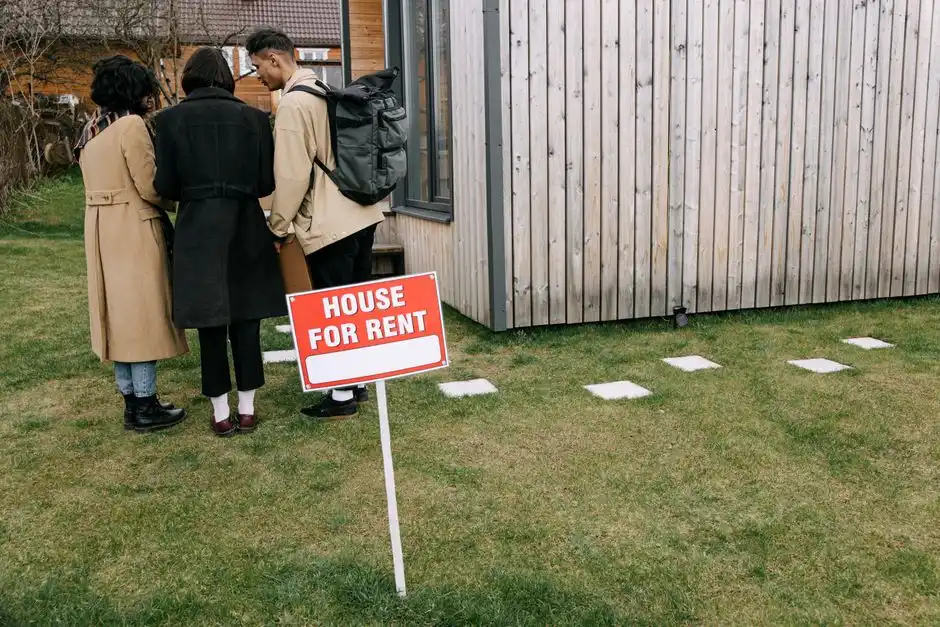
Group of adults viewing a wooden house with a 'House for Rent' sign on the lawn.
Licensed Licensed & Bonded
Fully Insured Insured & Bonded
24/7 Emergency Same-Day Response
Warranty Backed Workmanship Guaranteed in Charlotte

What Rental Property Mold Inspection Includes

Our standard visit covers a visual assessment of reported and adjacent areas, moisture checks on accessible materials, indoor humidity observations, and photographs of relevant conditions. We discuss sampling when it can answer a defined question; laboratory analysis is a separate test choice based on sample type and quantity. The report identifies inspected areas, readings, observations, and practical actions, while invasive opening of walls or remediation work is not part of a routine inspection.

Reported-area inspection

We begin where the tenant or manager noticed growth, odor, or dampness, then check nearby surfaces and likely moisture pathways. You can show us prior repairs and recurring trouble spots so the report reflects the history you know about the unit.

Moisture measurements

We use appropriate moisture meters to compare suspect materials with unaffected references and note the location of each reading. A hygrometer records indoor relative humidity, giving you useful context when condensation or excess indoor humidity is part of the complaint.

Photographic documentation

Photos record visible staining, suspected growth, and relevant building conditions at the time of inspection. We connect images to room names and written observations so owners can share a specific, organized record with maintenance contractors or property management.

Optional targeted sampling

When laboratory analysis will help answer an inspection question, we collect selected air or surface samples and label the location. Sampling is not a universal pass-or-fail test; we explain the purpose and the laboratory result alongside the building evidence.

Written findings and actions

You receive a report describing accessible areas, observations, measurements, any sample results, and recommended next steps. It helps you prioritize moisture correction, decide whether further access is needed, and plan follow-up after repairs.

Mold Inspection for Rental Properties Charlotte NC


Mold Inspection for Rental Properties Charlotte NC is a property-focused indoor environmental inspection that identifies visible or suspected mold, moisture sources, and conditions supporting growth. We start with the reported area, then check adjoining surfaces, plumbing fixtures, HVAC components, and accessible crawl spaces or attics when the evidence points there. An infrared thermal camera helps locate temperature anomalies; a pin-type moisture meter checks selected materials. If sampling is appropriate, we collect targeted air or surface samples and arrange laboratory analysis. The inspection report records locations, readings, limitations, and practical next steps for the owner or manager.

Charlotte's humid summers, wind-driven rain, plumbing leaks, and condensation around cooled surfaces can leave a rental unit damp after the obvious water disappears. Older properties may have crawl spaces or wall assemblies where moisture persists unseen, while tightly closed apartments can develop excess indoor humidity. Our rental property mold assessment Charlotte NC service is useful after a leak, recurring odor, or occupant report; request a mold inspection after a tenant reports moisture Charlotte NC before repainting or replacing finishes, so the source is not simply covered up.

What to Expect During Inspection

Mold Inspection for Rental Properties Charlotte NC follows a repeatable sequence, from your first report through delivery of findings. We ask what happened, inspect the affected space, measure moisture, and collect samples only when they add useful evidence. A straightforward single-unit visit often takes about 1.5 to 3 hours; larger or multi-unit properties require more time.

01

Schedule

Call or book online — a real human picks up and confirms a 2-hour arrival window.

02

Diagnose

Licensed tech inspects on-site, then walks you through the cause and your options.

03

Fix

The job is completed to code and done right the first time — no shortcuts, no surprises.

04

Guarantee

Every job backed by a written workmanship warranty — and we stand behind it.

Inspection Tools and Methods

Tools & Equipment

FLIR infrared thermal camera

We scan walls, ceilings, and window areas for temperature patterns that deserve closer moisture checks. The image guides inspection; it does not independently confirm mold or water.

Protimeter pin-type moisture meter

We take targeted readings in suitable materials where a precise contact point helps compare a suspect location with a nearby dry reference.

Tramex pinless moisture meter

We screen a broader surface area without making pin holes, which is useful for comparing wall or floor sections around a reported leak.

Dwyer Instruments hygrometer

We record indoor temperature and relative humidity to add context when condensation or persistent indoor dampness is part of the complaint.

Zefon air sampling pump and Air-O-Cell cassette

When airborne sampling is justified, the pump draws a measured air volume through a spore trap cassette for laboratory review and comparison.

Methods & Standards

Moisture mapping and comparison

We record readings at the reported area and compare them with nearby materials that appear unaffected. The comparison helps show whether dampness is localized or extends beyond the visible mark. We interpret readings with material type and inspection conditions in mind, rather than treating one number as a universal mold threshold.

Targeted air sampling

When an indoor air question warrants sampling, we select locations based on the complaint and document room conditions. A measured volume passes through a cassette for laboratory examination. Outdoor or comparison samples may provide context where appropriate, but results are interpreted with the visual inspection and moisture evidence.

Surface sample collection

For visible suspect material, we may collect a surface sample using a sterile sampling swab or tape-lift method. The sample is labeled by room and surface and submitted for analysis when identification will guide the next action. We avoid disturbing material unnecessarily and explain what the result can establish.

Visual and building-pathway review

We trace stains, odors, and visible growth toward likely sources such as plumbing, windows, roof areas, HVAC components, or crawl spaces. Accessible surfaces are inspected first; concealed cavities require appropriate access. This method keeps the assessment focused on the building condition, not just the visible patch.

When to Arrange an Inspection

01

A tenant in a Plaza Midwood duplex reports a musty bedroom after a roof leak during heavy rain.

What we do: We inspect the ceiling stain, attic or roof-adjacent area where accessible, and nearby wall surfaces. Moisture readings help show whether materials remain damp; targeted sampling is considered only if it answers a specific question. We document the leak history and the locations checked.

→ You get a record that separates the visible stain from any continuing moisture and identifies where repair or additional access should focus.

02

A South End apartment has recurring dampness around a bathroom vanity despite a previous plumbing repair.

What we do: We check the cabinet, supply connections, adjoining wall, and floor edge for moisture patterns, then compare readings with dry reference areas. We also note ventilation and humidity conditions that could contribute to repeated dampness after shower use.

→ The findings help you distinguish a remaining plumbing leak from condensation or residual wet materials before replacing cabinetry or closing a maintenance ticket.

03

An owner is preparing a Charlotte rental home for a new tenant after a crawl-space odor complaint.

What we do: We inspect accessible crawl-space framing and the ground-level conditions, then check whether the odor is apparent inside the living area. Measurements and photographs identify damp zones and visible concerns; we can recommend a follow-up check after the moisture source is corrected.

→ You receive a documented condition baseline before occupancy and a clearer order for moisture correction, cleaning, and any verification work.

How Rental Inspections Work in Charlotte

Charlotte's hot, humid summers and frequent temperature changes can leave condensation on building surfaces, especially where cool indoor air meets warm, moisture-laden outdoor air. During the current November season, we pay close attention to rain-related leaks, roof and window details, and rooms that stayed damp after autumn storms; winter heating can also expose cold-surface condensation. Our rental property mold assessment Charlotte NC service accounts for detached homes, older duplexes, and multi-unit apartments, where access to shared walls or mechanical spaces can affect the inspection route. In Mecklenburg County, we document the accessible conditions and explain when additional access is needed rather than making claims about concealed areas we could not inspect. For an apartment mold inspector near Charlotte, we coordinate with the manager or occupant to focus on the reported unit, nearby surfaces, and relevant HVAC components. We follow EPA-recognized mold and moisture guidance as a practical framework: identify moisture, document evidence, and connect corrective action to the observed source. ZIP codes 28280 and 28282 include central properties with varied building layouts; we also serve 28269 and 28105. Call +18668968166 to arrange an assessment in Charlotte, NC.

Neighborhoods We Serve

  • Uptown Charlotte

    High-rise and mixed-use rentals can have shared mechanical systems, so we document whether an odor or moisture concern is limited to one room or appears near common building components.

  • South End

    Apartment turnover and compact bathroom layouts make leak history important; we check vanities, adjoining finishes, and nearby HVAC surfaces when the complaint points there.

  • NoDa

    Duplexes and older homes can have different wall and crawl-space access conditions. We note accessible areas carefully and identify where further inspection would require opening a finish.

  • University City

    Detached rentals and multi-unit buildings both occur here; the inspection plan follows the reported moisture path, from the affected room to accessible adjacent areas.

Local Conditions We Plan For

  • Humid summer air meets cooled interior surfaces

    Window frames, supply vents, and exterior corners can collect condensation when indoor cooling creates a cold surface. We check room humidity and material conditions so the report can distinguish recurring condensation from a suspected leak.

  • Heavy rain exposes roof and window pathways

    Wind-driven rain can leave stains or damp insulation after the weather clears. We inspect the reported ceiling or wall area and, when accessible, nearby attic or exterior-adjacent surfaces to locate evidence that merits repair or further access.

  • Crawl-space moisture carries odor into living rooms

    Damp ground or framing can contribute to musty odors at floor level, but odor alone does not confirm mold. We inspect accessible crawl-space conditions and compare them with indoor observations to help target corrective work.

Tracing a Cabinet Leak

Before

A Charlotte tenant reported a musty kitchen cabinet several days after a supply-line leak. The visible drip had stopped, but the cabinet base felt cool and the odor returned whenever the doors stayed closed. The manager had no clear record of whether the adjoining wall or flooring remained damp.

After

Our inspection documented the cabinet, floor edge, and adjoining wall, with elevated readings limited to the cabinet base and a narrow strip of flooring. The report identified the affected locations and recommended correcting the leak source and drying the materials before finish replacement. A follow-up check recorded dry comparative readings at the inspected points.

Maintenance: Keep the cabinet accessible until repairs are complete, and record the repair date. Recheck the same marked locations after drying; do not seal or repaint damp material before the moisture source and affected area are addressed.

Before

A rental bedroom in South End developed dark spotting at the lower window trim during cooler mornings. The occupant wiped the surface, but dampness returned. The property manager needed to know whether water was entering at the frame or whether condensation was repeatedly wetting the finish.

After

We documented the trim and surrounding wall, checked humidity, and compared moisture readings at the frame and dry wall reference. The pattern was concentrated at the cold window edge, with no corresponding elevated reading farther along the wall. The report gave the manager a basis to review ventilation and window performance, then recheck the area.

Maintenance: Use the same inspection points after ventilation or window work and note whether morning dampness returns. Keep the sill clear enough for airflow, and report any new staining promptly rather than repeatedly covering it.

Before

An owner preparing a rental in University City noticed a musty smell near the living-room floor. The odor had persisted after cleaning, and no visible growth appeared in the occupied room. The manager wanted a documented check before the next tenant moved in.

After

We inspected accessible crawl-space framing and compared conditions with the living area. The report identified damp sections requiring moisture-source correction and noted that no visible growth was found on the inspected living-room surfaces. After repairs, a return assessment recorded lower readings at the previously affected points and no new visible concern in those areas.

Maintenance: Keep crawl-space access available for repair and follow-up. Check drainage and plumbing after major rain or a leak, and document recurring odor with room location and timing so the next assessment can compare conditions.

Solve Rental Moisture Problems Before They Spread

A small damp area can become a repeat complaint if the source stays active behind a cabinet, ceiling, or wall finish. Our inspection connects the tenant's report with measurable building conditions, helping you decide what requires repair now and what needs further investigation.

Problem

Musty odor persists after a reported plumbing leak

The visible drip may be fixed while damp cabinet backing, wall cavities, or flooring continue to hold moisture and support hidden mold growth.

Our Fix

We inspect the leak area and adjacent materials, compare moisture readings, and document any visible growth or staining. If the evidence suggests a concealed pathway, we identify the location for further access rather than assuming the odor proves mold. You receive a practical sequence: correct the source, address affected materials, then verify conditions.

Problem

Tenant reports recurring condensation near windows

Repeated wet surfaces can damage paint and trim, encourage surface growth, and lead to disputes when the cause is unclear or seasonal.

Our Fix

We check the window assembly, nearby finishes, room humidity, and temperature patterns. The inspection helps separate likely condensation from water entry and records the conditions present during the visit. You can use the findings to assess ventilation, occupant moisture loads, or building-envelope repairs and then compare readings after corrective action.

Problem

Apartment odor appears near supply vents

A system-related odor can affect more than one room and may continue despite cleaning visible surfaces or replacing a filter.

Our Fix

We inspect accessible registers and HVAC-adjacent surfaces, look for dampness or residue, and note whether the concern is limited to one room or appears broader. If sampling is useful, we target the suspected area and explain the result in context. You get a focused next step instead of treating the entire building without evidence.

Problem

A property manager needs a documented condition record

Without room-specific notes and dated observations, maintenance decisions and follow-up checks become harder to coordinate across tenants and contractors.

Our Fix

We document the reported concern, accessible inspection areas, photographs, moisture readings, and any laboratory samples. Our report helps you track the original condition, assign repairs, and revisit the same locations afterward. That record supports a more orderly response when a tenant reports dampness again.

Useful Findings, Clear Next Steps

Useful Findings, Clear Next Steps

A rental inspection should help you decide what to do, not leave you with a stack of unexplained readings. We connect observed growth, moisture evidence, and any laboratory results to the affected room and likely source. You receive a written record you can use to prioritize repairs, coordinate access, and communicate clearly with tenants.

  • Locate the moisture source

    We follow staining, odor, and elevated readings beyond the visible spot to check nearby plumbing, windows, HVAC surfaces, and accessible cavities. A pinless moisture meter screens a broader area without puncturing finishes, while targeted pin readings help compare suspect material with a dry reference. That distinction helps you choose whether to investigate further or proceed with a defined repair.

  • Document a tenant concern

    Our inspection records the reported location, observed conditions, photographs, and relevant moisture readings, creating a useful factual record for your property file. When you need a tenant mold inspection service Charlotte, we can focus on the occupied space and nearby pathways while respecting access and keeping the visit practical for residents.

  • Make sampling purposeful

    We recommend sampling only when it answers a specific question, such as whether airborne spores differ between a suspect room and a comparison area. A spore trap cassette captures a short air sample for laboratory review; a surface sample can help identify growth on a material. Results support the inspection, but they do not replace finding and correcting moisture.

  • Plan repair and follow-up

    You get prioritized findings that distinguish active moisture, visible growth, and areas that need monitoring or additional access. After the leak or humidity problem is corrected, we can help define a verification visit and repeat measurements. The outcome is a clearer handoff between property management, a qualified repair contractor, and the tenant.

Rental Property Inspection Expertise

We focus the inspection on the building conditions that matter to owners, managers, and tenants: where moisture entered, how far it traveled, and whether growth or elevated airborne spores are present. Our approach combines a visual building assessment with measured evidence rather than treating a single air sample as a complete diagnosis. Training relevant to indoor environmental work includes ACAC Council-certified Indoor Environmentalist and IICRC Applied Microbial Remediation Technician credentials where held by the assigned professional. We explain the findings in plain language and distinguish observed facts from recommended follow-up.

  • We map reported leaks against adjacent walls, floor edges, and ceilings, helping you identify whether a stain is isolated or part of a wider moisture pattern.
  • We compare suspect readings with unaffected reference materials and note the meter method, location, and conditions at the time of inspection.
  • Our sampling plans target a defined question, such as indoor-versus-outdoor airborne conditions or identification of visible surface growth.
  • We recognize attic mold from inadequate ventilation, crawl-space dampness, condensation, and mold in HVAC systems and ductwork as different investigation paths.
  • Reports are organized for property files, with photos and practical recommendations that help owners coordinate occupants, repairs, and follow-up.
Get Started Today
Rental Property Inspection Expertise

Rental Property Mold Inspection FAQs

Real answers to the questions we hear most often from local homeowners and property managers.

How much does a rental property mold inspection cost in Charlotte?
A single-unit rental property mold inspection in Charlotte commonly costs $250 to $650, depending on size, access, and sampling. The inspection price covers the agreed visual and moisture assessment; laboratory samples can add roughly $75 to $150 per sample. Typical 2026 pricing in this area varies with the number of rooms and whether crawl-space or attic access is needed. We explain pricing upfront before work begins, and you can call +18668968166 to discuss your property.
Who can inspect a rental home for mold in Charlotte?
A qualified indoor environmental professional can inspect a rental home for visible mold, moisture sources, and conditions supporting growth. Our team examines the affected rooms, takes moisture readings, and recommends targeted sampling when it answers a clear question. A Charlotte rental mold inspector should document the area inspected and explain any access limits; a lab result alone cannot locate a leak or establish the full extent of a building problem.
When should landlords arrange a mold assessment?
Arrange an assessment within 24 to 72 hours of discovering persistent dampness, a recurring musty odor, or visible growth after a leak. Book sooner when water is actively entering or a tenant reports wet materials, and address the water source immediately. For mold inspection after a tenant reports moisture Charlotte NC, we check the reported area and adjoining surfaces before finishes are replaced or the odor is masked.
Can a tenant request an independent mold inspection?
Yes, a tenant can request an independent inspection, and the property owner or manager should coordinate lawful access to the unit. Our tenant mold inspection service Charlotte documents the complaint area, visible conditions, and moisture readings, then explains whether targeted sampling is useful. A standard single-unit visit takes about 1.5 to 3 hours; the resulting report can help both parties discuss the building condition using specific observations.

More Help for Rental Properties

Residential Mold Inspection

When a tenant reports an odor or a leak affects a living area, a residential inspection checks the room, adjoining surfaces, and accessible building systems. It complements a rental inspection when you need a broader view of the home's indoor conditions and a clear record of visible moisture evidence.

View Residential Mold Inspection

Commercial Mold Inspection

For landlords managing mixed-use or larger rental buildings, a commercial inspection can account for shared corridors, mechanical rooms, and multiple occupant areas. We map reported concerns across the accessible spaces and help you separate a unit-specific issue from conditions that may involve common building systems.

View Commercial Mold Inspection

Mold Testing and Sampling

Targeted sampling can help identify surface growth or compare airborne conditions when the inspection raises a specific question. We select sample locations based on observed evidence, label each collection, and connect laboratory findings to the relevant room rather than treating a sample result as a standalone diagnosis.

View Mold Testing and Sampling

Air Quality Testing for Mold

Air testing is useful when occupants report persistent musty odors or concerns extend beyond a visible patch. We use controlled sampling locations and document room conditions so results have context. This service can supplement a rental inspection when the question concerns airborne spores in an occupied unit.

View Air Quality Testing for Mold

Surface Mold Testing

A surface sample can help identify material collected from a visibly affected area. We use an appropriate collection method, label the exact surface, and submit it for analysis where selected. It is most useful when identification will guide a property manager's next step, not as a substitute for correcting dampness.

View Surface Mold Testing

Mold Identification and Lab Analysis

Laboratory analysis can identify mold structures or growth in submitted samples, helping clarify an inspection finding. We explain what the result addresses and what it cannot establish about hidden areas or health effects. For rental properties, the sample location and moisture history remain essential context.

View Mold Identification and Lab Analysis

Book a Rental Mold Inspection in Charlotte

Get clear findings before a damp spot turns into a recurring maintenance problem. We inspect rental properties across Charlotte and Mecklenburg County, and our team explains the observations and next steps directly. Call Charlotte Mold Testing at +18668968166 to schedule your assessment.

Call our team Schedule Inspection

Contact Charlotte Mold Testing

Call +1 866-896-8166 to tell us what you have noticed and where the property is located. Our team is available Monday through Friday, 8:00 a.m. to 6:00 p.m., to discuss inspections, sampling, and crawl space concerns across Charlotte, North Carolina. Share any leak history or affected rooms so we can focus the conversation on your property.

Or call us right now at +18668968166 — we answer.

Charlotte Mold Testing


  • Phone

    +18668968166
  • Address

    Charlotte, North Carolina

  • Hours

    Mon–Fri: 7AM – 7PM
    Sat: 8AM – 4PM
    Sun: Emergency Only
    24/7 Emergency Available

Call +18668968166 Get Quote
Call Quote