Logo
Get Estimate

Mold Remediation Verification Charlotte NC

Independent checks for cleaner, drier, documented spaces


Mold Remediation Verification Charlotte NC gives homeowners, property managers, and buyers an independent check after mold cleanup. We inspect the affected area, look for remaining moisture or visible growth, and use targeted sampling when the conditions call for it. If repairs are underway or you need documentation before reopening a room, we help you understand what the results show and what should happen next.

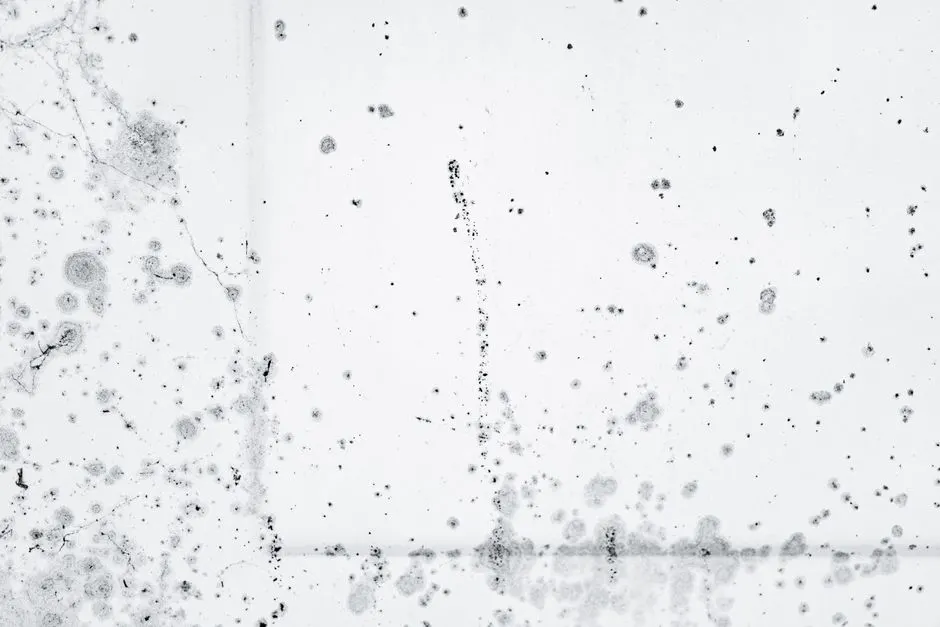
Intricate pattern of black mold spores on a white background, showcasing decay and organic growth.
Licensed Licensed & Bonded
Fully Insured Insured & Bonded
24/7 Emergency Same-Day Response
Warranty Backed Workmanship Guaranteed in Charlotte

What Verification Covers

A standard verification visit includes a review of the remediation area, accessible visual inspection, moisture checks, and a written summary of findings. Sampling is added when it answers a specific concern; the method and number of samples depend on the site. Repairs, demolition, and remediation are separate work. We explain the inspection plan and upfront price before proceeding, so you know what the visit will cover.

Scope and Site Review

We review the affected rooms, cleanup notes, and accessible work area with you. This establishes what was treated and identifies any adjoining locations that deserve attention. If the original moisture source was a plumbing leak or roof intrusion, we ask what repair was completed and look for signs that the condition persists.

Visual Work Assessment

We inspect accessible surfaces for remaining residue, debris, staining, or visible growth in the treated area. We also consider whether affected materials were removed or cleaned as planned. Visual review is documented separately from sampling because a clean-looking surface alone cannot confirm that hidden materials are dry.

Moisture and Humidity Readings

We measure relevant building materials and room humidity, then compare findings with nearby reference areas. Readings help identify wet framing, persistent dampness, or conditions that could support renewed growth. We note measurement locations so you and your contractor can understand where a concern was found.

Targeted Sample Collection

When appropriate, we collect air or surface samples to address a defined question about the affected area. We label the sample type and location and arrange laboratory analysis. Sample collection is not automatic; results are interpreted with the inspection and moisture data rather than as a stand-alone guarantee.

Written Findings and Actions

You receive a report summarizing observations, readings, any laboratory results, and practical next steps. If the work appears ready for repair, the report says so based on accessible conditions. If more drying or correction is needed, we identify the location and concern for follow-up.

Mold Remediation Verification Charlotte NC


Mold Remediation Verification Charlotte NC is an independent post-cleanup inspection that checks whether the affected area is visibly clean, dry, and ready for normal use. We review the remediation scope, inspect accessible surfaces, measure moisture in building materials, and compare conditions in the work area with unaffected areas. When sampling is appropriate, we collect air or surface samples and arrange laboratory analysis. The findings are documented so you can see what passed, what remains unresolved, and whether further drying, cleaning, or repair is needed.

Charlotte's humid summers, winter condensation, plumbing leaks, and crawl-space moisture can leave damp materials behind after visible growth is removed. Our mold cleanup verification Charlotte NC service is useful after a bathroom leak, roof intrusion, HVAC condensate problem, or attic cleanup. If you need to verify mold removal work in a Charlotte home, we check the original problem area and nearby materials instead of relying only on a fresh coat of paint or the absence of odor.

What to Expect During Verification

Mold Remediation Verification Charlotte NC follows a clear sequence, from reviewing the cleanup scope to delivering findings. We coordinate access to the work area, inspect the relevant building materials, and explain any sampling before collection. Many single-room visits take about 1.5 to 3 hours; laboratory analysis adds time after the site visit.

01

Schedule

Call or book online — a real human picks up and confirms a 2-hour arrival window.

02

Diagnose

Licensed tech inspects on-site, then walks you through the cause and your options.

03

Fix

The job is completed to code and done right the first time — no shortcuts, no surprises.

04

Guarantee

Every job backed by a written workmanship warranty — and we stand behind it.

Tools and Inspection Methods

Tools & Equipment

FLIR infrared thermal camera

We scan for temperature patterns that may point to moisture-related areas or concealed anomalies. A thermal image guides further checking; it does not identify mold or confirm water by itself.

Tramex pinless moisture meter

We scan broad surface areas for relative moisture differences without making probe holes. Comparing the treated area with a nearby reference helps target specific points for confirmation.

Protimeter pin-type moisture meter

We take direct readings at selected material points when accessible. These measurements help document whether framing or other building materials remain damp after cleanup.

Dwyer Instruments hygrometer

We record room humidity and temperature to understand the indoor conditions during the visit. Humidity readings add context to moisture findings and potential condensation concerns.

Zefon air sampling pump

When air testing is appropriate, we use a pump with a spore trap cassette to collect a defined air sample. Collection location and conditions are documented for interpretation.

Borescope

A borescope can view an accessible cavity through an existing opening when direct sight is limited. It helps check a targeted area without assuming that a small view represents the entire wall.

Methods & Standards

Visual and moisture comparison

We inspect the treated area and compare moisture readings with nearby unaffected materials. This establishes whether accessible surfaces appear clean and dry while keeping the original water source in view. A favorable reading is not treated as proof that inaccessible cavities are clear.

Targeted air sampling

When airborne conditions are part of the question, we collect a measured sample using an air sampling pump and spore trap cassette. We document the room and sampling conditions and interpret laboratory findings with the site inspection. A single sample is a time-specific snapshot, not a complete map of a building.

Surface sampling

We use a sterile sampling swab or tape-lift method to collect material from a specific suspect or cleaned surface. Each sample is labeled with its location and purpose before laboratory submission. Results are considered alongside visible conditions and moisture data rather than used as a stand-alone clearance decision.

EPA-recognized moisture review

We apply EPA-recognized mold and moisture guidance to focus on correcting water sources, drying affected materials, and assessing accessible work. The inspection documents conditions and practical next actions; it does not replace building repairs or remediation work that remains necessary.

When Verification Makes Sense

01

A South End condo had a plumbing leak, and the contractor removed drywall before restoring the wall.

What we do: We inspect the exposed framing and adjacent flooring, measure moisture, and review whether the leak repair and cleanup address the affected area. If a targeted surface or air sample would answer a remaining concern, we explain the reason before collection.

→ You get documented conditions before new drywall goes up, making it easier to resolve damp framing or missed debris while access is still open.

02

An older Dilworth home had attic mold cleaned after condensation appeared on roof sheathing.

What we do: We assess accessible cleaned sheathing, check moisture patterns, and look for signs of inadequate ventilation or continuing condensation. The inspection distinguishes a completed surface cleanup from an attic condition that still needs correction.

→ You can address lingering moisture before replacing insulation or storing belongings, reducing the chance that the same attic area becomes damp again.

03

A University City rental unit is ready for a new tenant after a bathroom remediation project.

What we do: We inspect the treated bathroom and accessible adjoining wall, record moisture conditions, and provide a report for the property manager. If the original leak remains uncertain, we flag the area for repair investigation before the unit is occupied.

→ The manager receives a clear record of observed conditions and outstanding actions, supporting a more informed maintenance and return-to-use decision.

04

A Ballantyne buyer learns that mold cleanup was completed before the home inspection period ends.

What we do: We review available cleanup information and inspect accessible treated areas, including nearby materials that could have been affected by the original moisture. We explain sample results in context and identify limitations where finishes already conceal the work.

→ The buyer has a separate, evidence-based account of the accessible cleanup area and specific follow-up questions for the seller or contractor.

How Verification Works in Charlotte

Mold Remediation Verification Charlotte NC reflects the conditions that commonly affect homes and commercial properties across Mecklenburg County. Warm, humid summers raise indoor moisture loads, while winter temperature swings can produce condensation on exterior walls, windows, and roof sheathing. Crawl spaces, older plumbing, storm-driven roof leaks, and HVAC condensate problems each leave a different moisture pattern, so we inspect the cause as well as the cleaned surface. In established neighborhoods, renovations can hide earlier water damage behind new finishes; in newer homes, tightly sealed spaces still need effective ventilation and humidity control. We check accessible areas, record moisture readings, and explain where an opening or specialist repair is needed. Our mold cleanup verification Charlotte NC visit can include targeted sampling when a defined concern remains. If you need to verify mold removal work in a Charlotte home before repairs are finished, schedule the inspection while framing and other treated materials are still visible. We account for the work area, building use, and the timing of ongoing drying so the report describes actual site conditions.

Neighborhoods We Serve

  • NoDa

    Renovated homes and mixed-use buildings can combine older materials with newer finishes. We focus on the actual treated boundary and check accessible adjoining surfaces for moisture.

  • SouthPark

    Larger homes and multi-zone HVAC systems can have different humidity conditions from room to room. We note the affected zone and compare readings with suitable nearby areas.

  • University City

    Apartments and rental properties often need a clear record for owners and managers. We document the treated room, accessible adjoining materials, and any remaining moisture concern.

  • Dilworth

    Older homes may have layered repairs that conceal prior water entry. We review the cleanup boundary and flag inaccessible finishes where the evidence cannot be directly inspected.

Local Conditions We Plan For

  • High summer humidity can slow drying after water intrusion.

    We check building-material moisture alongside room humidity because a surface may feel dry while a deeper section remains damp. Persistent indoor dampness can undermine cleanup if ventilation or dehumidification is inadequate.

  • Winter condensation can affect exterior walls and attic sheathing.

    Temperature differences can create damp surfaces even after visible growth is cleaned. We look for recurring condensation patterns and explain whether ventilation or moisture control needs attention before the area is closed.

  • Crawl-space moisture can influence floors and lower walls.

    A cleaned room may remain vulnerable if moisture below the home is still present. We inspect accessible materials and note conditions that warrant a separate crawl-space moisture investigation or repair.

Bathroom Leak Cleanup Check

Before

A Charlotte homeowner had a supply-line leak repaired and visible growth removed from the bathroom wall. The contractor planned to install new drywall the next morning, but no one had recorded moisture readings at the exposed framing. The wall looked clean, yet the homeowner could not tell whether the cavity had dried sufficiently.

After

We inspected the open wall, measured multiple framing points, and found one section wetter than nearby reference material. After another drying cycle, the follow-up readings were lower and consistent across the checked area. The report documented locations and observations before the wall was closed, giving the repair contractor a clear basis to proceed.

Maintenance: Check the repaired supply line for leaks during the next few weeks and use the bathroom fan during showers. Keep the wall access and report with your home records in case staining or odor returns.

Before

After attic cleanup in a SouthPark home, the roof sheathing appeared clear from the access hatch. The homeowner still noticed a musty odor after cold nights and wanted to know whether the cleanup had addressed the conditions that caused it. Insulation replacement was scheduled before the attic had been independently reviewed.

After

We checked accessible treated sheathing, recorded humidity and moisture conditions, and noted a localized area that needed further ventilation review. The inspection report separated the cleanable surfaces from the unresolved condensation concern. The owner coordinated the ventilation correction before replacing insulation, avoiding concealment of the area that needed attention.

Maintenance: Look for renewed condensation or staining after colder weather and keep attic ventilation paths clear. If the odor returns, compare the location with the report rather than treating the whole attic without investigation.

Before

A rental bathroom in University City had been cleaned after a leak from the unit above. The property manager had contractor notes but no independent record of the adjoining wall condition. A new tenant was expected soon, and the manager needed to know whether the cleanup area was dry and documented.

After

We inspected the bathroom and accessible adjoining surfaces, measured moisture at the repaired wall, and documented the results by location. No additional sampling was needed because the visual and moisture findings answered the stated question. The manager received a concise report describing the checked area and the remaining maintenance item for the leak source.

Maintenance: Keep the leak-repair record with the verification report and inspect the ceiling below the plumbing route after heavy water use. Promptly investigate any fresh staining, swelling, or persistent odor.

Resolve Post-Cleanup Doubts

After cleanup, uncertainty often comes from what cannot be seen: damp framing, concealed contamination, or a moisture source that was never corrected. Our independent inspection after mold cleanup Charlotte helps you replace guesswork with documented observations and measurements. We focus on the original problem and the areas most likely to affect the result.

Problem

A wall looks clean, but the framing still feels damp.

Covering wet framing can trap moisture behind new finishes and create conditions for mold growth after water intrusion. Odor or staining may return after the repair is complete.

Our Fix

We measure accessible framing at several points, compare it with unaffected material, and document the readings. If moisture remains elevated, we identify the location and recommend additional drying or investigation before the contractor closes the cavity.

Problem

The remediation report does not show what areas were checked.

Without locations, measurements, or sample details, you cannot tell whether the report represents the whole treated area or only one convenient spot. That makes contractor follow-up difficult.

Our Fix

We record inspection areas, measurement locations, and any sample points in our own findings. You receive a separate assessment that can be compared with the cleanup scope and shared with the contractor, property manager, or transaction participants.

Problem

A musty smell remains after visible mold was removed.

Odor can point to retained damp materials, concealed growth, or an unrelated source such as a drain or HVAC issue. Ignoring it may leave the underlying cause active.

Our Fix

We inspect the treated area and nearby moisture pathways, check humidity, and use targeted testing only when it helps answer the concern. If the evidence points outside the cleanup zone, we explain which area or system should be investigated next.

Problem

The contractor is ready to close walls before results are clear.

Once finishes cover the cavity, checking framing and insulation becomes harder and may require reopening completed work. Any unresolved moisture is more difficult to locate.

Our Fix

We inspect accessible materials before finish installation, take location-specific moisture readings, and report concerns while the cavity remains open. You can then coordinate drying or corrective work before the wall is closed.

Clear Results After Cleanup

Clear Results After Cleanup

You need more than a clean-looking wall to know whether remediation addressed the cause and the affected materials. We inspect the work area, record moisture readings, and explain any test results in plain language. That gives you a practical basis for reopening a room, coordinating repairs, or asking the remediation contractor to correct an incomplete step.

  • Documented Condition

    We record visible conditions, moisture readings, and sample locations in a written report. You can share that record with your contractor, insurer, property manager, or buyer. For example, a pin-type moisture meter reading at a repaired wall helps distinguish a dry surface from a still-wet cavity that needs more attention.

  • Independent Perspective

    A separate inspection gives you a fresh assessment rather than relying solely on the crew that performed the cleanup. Our Charlotte remediation verification inspection compares the completed work with the affected areas and the agreed remediation scope, so you can identify missed debris, remaining dampness, or conditions that require another step.

  • Targeted Testing

    Sampling is selected to answer a specific question, not added automatically. We can collect air or surface samples when site conditions justify them, then submit them for laboratory analysis. Results are interpreted alongside visual inspection and moisture data, because a single spore count cannot prove that every building material is clean.

  • Useful Next Steps

    If the area is not ready, the report identifies the concern and the location so your contractor can act on it. We explain whether the priority is additional drying, removal of affected material, correction of a leak, or focused cleaning. That keeps you from closing walls over unresolved moisture.

Credentials and Inspection Standards

Licensed & Certified

  • ACAC Council-certified Indoor Environmentalist — issued by American Council for Accredited Certification
  • ACAC Council-certified Microbial Consultant — issued by American Council for Accredited Certification
  • IICRC Applied Microbial Remediation Technician — issued by Institute of Inspection, Cleaning and Restoration Certification
  • IICRC Applied Microbial Remediation Specialist — issued by Institute of Inspection, Cleaning and Restoration Certification

Verified Reviews

Google ★★★★★4.9

A homeowner in Charlotte described a clear post-cleanup inspection after a plumbing leak. The report included moisture readings from the open wall and explained why one section needed more drying before drywall installation. The location-specific notes made the next contractor visit straightforward.

Google ★★★★★5.0

A property manager praised the independent review of a rental unit after remediation. The inspection documented the treated room, checked the adjoining wall, and explained why additional sampling was not needed for the question asked. The findings helped the manager plan a return to use.

Yelp ★★★★★4.8

A Charlotte buyer said the verification visit made the seller's cleanup easier to evaluate. The inspector reviewed accessible materials, explained the limits of the sample results, and provided specific follow-up points for the contractor. The report was useful without making a broad guarantee about hidden areas.

Practical Verification Expertise

Mold remediation verification requires sound inspection judgment, not just sample collection. Our team evaluates the original moisture source, the cleanup boundary, remaining materials, and the conditions that could support regrowth. We follow applicable EPA-recognized mold and moisture guidance and use methods suited to the building and the question being investigated. Where laboratory analysis is used, we seek analysis through laboratories with relevant environmental microbiology credentials. We do not claim a result from a tool alone; we combine observations, measurements, and test data into a report you can use.

  • We compare the remediation work with the affected area and identify visible residue, damp materials, and unresolved moisture sources.
  • Our technicians use moisture meters and humidity readings to document conditions instead of judging dryness by touch alone.
  • Sampling choices are tied to a specific concern, with location and method recorded for interpretation.
  • We explain what laboratory results can establish and what they cannot prove about every hidden surface.
  • Reports identify findings and practical next actions for homeowners, property managers, contractors, and real estate stakeholders.
Get Started Today
Practical Verification Expertise

Frequently Asked Questions

Real answers to the questions we hear most often from local homeowners and property managers.

How much does mold remediation verification cost in Charlotte?
A focused residential visit often costs $250 to $650, while larger or multi-area inspections can range from $650 to $1,200 or more. Typical 2026 pricing in this area depends on room count, access, moisture mapping, and whether laboratory samples are needed. We explain pricing upfront before work proceeds. A straightforward visual and moisture check costs less than a multi-sample investigation involving concealed spaces.
Who can independently verify mold cleanup in Charlotte?
An independent mold inspector with relevant training in indoor environmental assessment can verify cleanup conditions in Charlotte. Ask whether the inspector is separate from the remediation contractor, how moisture is measured, and what laboratory will analyze any samples. Our independent inspection after mold cleanup Charlotte service documents the work area and explains the evidence. Independence helps you evaluate results without asking the cleanup crew to certify its own work.
What does a mold remediation verification inspection check?
A verification inspection checks visible cleanliness, accessible building materials, moisture conditions, the original water source, and any sampling needed to answer a specific concern. We look for remaining debris, dampness, suspected mold behind walls or finishes, and conditions that could support regrowth. The report connects readings and observations to the cleanup area. Sampling is not a substitute for correcting a leak or removing unsound material.
When should I schedule a follow-up after mold removal?
Schedule the follow-up after cleaning is complete, affected materials are dry, and the moisture source has been corrected; a common target is within 24 to 72 hours after final cleaning. Avoid scheduling while demolition dust or active drying is still changing conditions. If you need to schedule a mold remediation follow-up Charlotte NC, arrange access before contractors close walls or reinstall finishes so the relevant materials remain visible.

Related Inspection Services

Residential Mold Inspection

A residential inspection maps visible concerns, moisture sources, and accessible building materials in your Charlotte home. It can establish the baseline before remediation, while verification checks the completed work afterward. This pairing is useful when a leak affected more than one room or mold was suspected behind finishes.

View Residential Mold Inspection

Commercial Mold Inspection

Commercial inspections help building owners and managers assess affected offices, tenant spaces, and shared systems before and after cleanup. We document the work area and relevant moisture conditions, helping you plan access and repairs around occupants. Verification can support a documented return-to-use decision.

View Commercial Mold Inspection

Mold Testing and Sampling

Sampling provides laboratory data when visual inspection alone cannot answer a defined question. We select air or surface methods based on the affected area and record where samples were collected. After remediation, testing can complement-not replace-visual inspection and moisture measurements.

View Mold Testing and Sampling

Air Quality Testing for Mold

Air testing can help assess airborne particles in a room after remediation, especially when an odor or occupant concern remains. We interpret results with the room's condition, outdoor comparison where appropriate, and moisture findings. A sample is a snapshot, not a guarantee about every hidden area.

View Air Quality Testing for Mold

Surface Mold Testing

Surface sampling can help characterize a suspect residue or check a specific cleaned surface. We use an appropriate swab or tape-lift method and label the collection location. It works best alongside a visual review and moisture readings, so the result has building context.

View Surface Mold Testing

Mold Identification and Lab Analysis

Laboratory analysis can identify fungal structures in submitted samples and provide information relevant to a defined inspection question. We document sample type and location, then explain the findings in plain language. Identification alone does not determine the extent of growth or whether remediation succeeded.

View Mold Identification and Lab Analysis

Book Mold Remediation Verification Charlotte NC

Get a clear post-cleanup assessment before repairs hide the work area or you return a room to regular use. Call Charlotte Mold Testing at +18668968166 to discuss your cleanup, moisture concerns, and whether sampling fits the question. We provide upfront pricing before the inspection.

Call Now Book Inspection

Contact Charlotte Mold Testing

Call +1 866-896-8166 to tell us what you have noticed and where the property is located. Our team is available Monday through Friday, 8:00 a.m. to 6:00 p.m., to discuss inspections, sampling, and crawl space concerns across Charlotte, North Carolina. Share any leak history or affected rooms so we can focus the conversation on your property.

Or call us right now at +18668968166 — we answer.

Charlotte Mold Testing


  • Phone

    +18668968166
  • Address

    Charlotte, North Carolina

  • Hours

    Mon–Fri: 7AM – 7PM
    Sat: 8AM – 4PM
    Sun: Emergency Only
    24/7 Emergency Available

Call +18668968166 Get Quote
Call Quote