Logo
Get Estimate

Post-Remediation Clearance Testing Charlotte NC

Confirm cleanup before repairs, rebuilding, or reoccupying


Post-Remediation Clearance Testing Charlotte NC gives homeowners, property managers, and contractors an independent check after mold cleanup. We inspect the work area, measure moisture, and collect samples when conditions call for them. Our Charlotte team helps you identify remaining concerns before new drywall, flooring, or belongings go back in, so you can make the next decision with documented findings rather than guesswork.

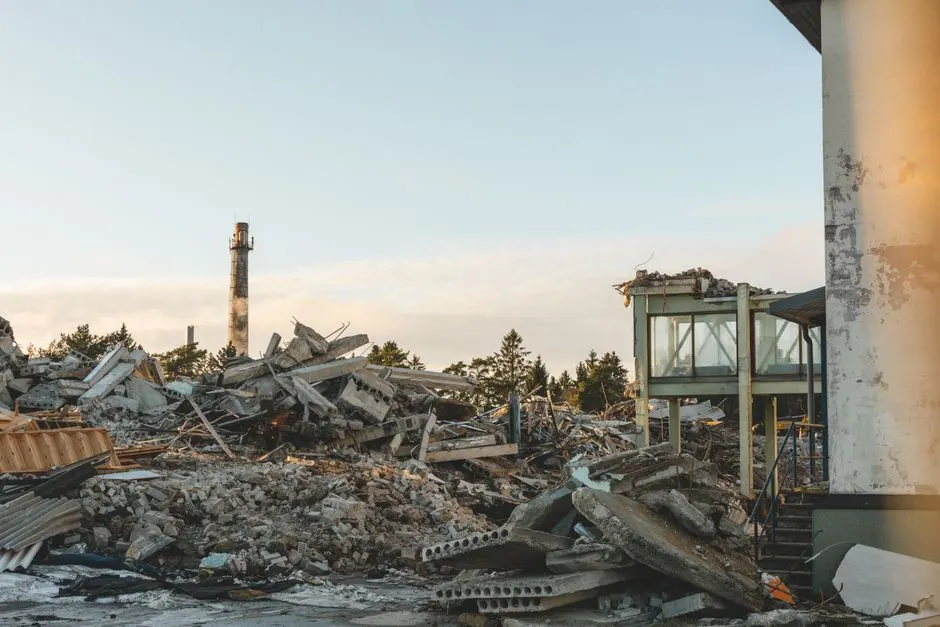
A dramatic scene of urban demolition with rubble and a standing tower under a clear sky.
Licensed Licensed & Bonded
Fully Insured Insured & Bonded
24/7 Emergency Same-Day Response
Warranty Backed Workmanship Guaranteed in Charlotte

What Clearance Testing Includes

Post-remediation clearance testing covers an inspection of the treated area, moisture checks at accessible materials, and a written record of observations. Air or surface sampling is included when the site conditions and testing plan call for it. Broader building investigations, concealed demolition, or testing unrelated rooms are separate services; we keep the visit focused on verifying the cleanup and identifying any remaining concern.

Visual Work-Area Review

We inspect the treated surfaces and accessible edges for visible residue, dust, staining, or missed material. The review also notes nearby surfaces that could indicate the original moisture issue extended past containment. You receive a record of areas viewed and conditions observed.

Targeted Moisture Readings

We take moisture readings at selected building materials and compare them with similar areas where possible. These readings help identify damp framing, drywall, or flooring before reconstruction. The report records the measured locations and instruments used, so you can follow up on a specific point.

Planned Sample Collection

If air or surface sampling is appropriate, we collect samples using the method selected for the question. Each sample is labeled by location and handled for laboratory analysis when requested. Results are interpreted with the inspection record rather than presented as a stand-alone guarantee.

Written Findings

Your findings summarize the inspection, conditions, moisture readings, and sample results when available. We explain whether the accessible work area appears ready for the next step or needs further cleaning, drying, or investigation. You can share the report with your contractor or property manager.

Post-Remediation Clearance Testing Charlotte NC


Post-Remediation Clearance Testing Charlotte NC is an independent verification service that checks whether a treated area is clean, dry, and ready for reconstruction or normal use after mold remediation. We review the work area visually, check accessible materials for moisture, and use air or surface sampling when appropriate. A pin-type moisture meter can assess wood or drywall readings at selected points, while a hygrometer records relative humidity. If sampling is performed, results are interpreted alongside the site conditions, not treated as a standalone pass-or-fail number.

Charlotte properties face recurring moisture pressures after heavy rain, plumbing leaks, roof intrusion, or crawl-space dampness. In Mecklenburg County, humid summers and temperature swings can leave condensation on building surfaces or encourage hidden mold growth behind finishes. Our mold remediation clearance testing Charlotte NC service helps you verify cleaned rooms before rebuilding; if you're searching for a post-remediation clearance testing near me in Charlotte NC, we inspect the affected zone and note any moisture or visible residue that needs attention.

What to Expect During Testing

Post-remediation testing in Charlotte follows a practical sequence: review the cleanup area, inspect accessible surfaces, measure moisture, and collect samples only where they add useful evidence. We explain what we are checking as we work, then organize the findings into a report you can use to plan repairs or follow-up.

01

Schedule

Call or book online — a real human picks up and confirms a 2-hour arrival window.

02

Diagnose

Licensed tech inspects on-site, then walks you through the cause and your options.

03

Fix

The job is completed to code and done right the first time — no shortcuts, no surprises.

04

Guarantee

Every job backed by a written workmanship warranty — and we stand behind it.

Tools and Testing Methods

Tools & Equipment

Infrared thermal camera

We use infrared imaging to spot temperature patterns that may guide closer inspection around a leak path or exterior wall. A thermal image is not a mold test; we verify suspicious patterns with moisture checks and direct observations.

Pin-type moisture meter

A pin-type meter measures moisture at selected points in compatible materials such as wood. We use readings to compare suspect framing with nearby areas and document locations before the room is closed.

Pinless moisture meter

A pinless meter scans suitable surfaces without leaving probe marks. It helps us map relative moisture patterns across a wall or floor and select targeted locations for more direct measurement.

Air sampling pump

An air sampling pump draws a measured volume of air through a spore trap cassette. We label the sample location and interpret the laboratory findings alongside room conditions, inspection notes, and any comparison sample.

Particle counter

A particle counter can provide a snapshot of airborne particle levels during an inspection. It does not identify mold species, so we use it only as supporting context when assessing the work area and air conditions.

Methods & Standards

Visual and moisture verification

We inspect accessible surfaces for visible residue and use moisture meters to evaluate selected materials. Readings are compared with similar materials and documented by location. This method helps identify wet building components that should not be covered, while recognizing that inaccessible cavities require separate access.

Air sampling with comparison

When air sampling is appropriate, we collect a measured sample from the treated area and may collect an outdoor reference for context. The laboratory examines material captured on a spore trap cassette. We interpret results alongside the room's condition; no single count establishes that a building is completely free of mold.

Targeted surface sampling

A surface sample is collected from a specific area when visible residue or a defined question warrants closer analysis. We use a suitable sterile sampling swab or tape-lift sampling kit and document the exact location. The result applies to that sample point, not every surface in the room.

EPA-recognized moisture guidance

We focus on finding and documenting moisture conditions because controlling water is central to preventing renewed mold growth. Observations and readings are considered in the context of EPA-recognized mold and moisture guidance, the building materials, and the history of the leak or intrusion.

When to Schedule Clearance Testing

01

A South End homeowner has completed remediation after a washing-machine leak and plans to install new flooring.

What we do: We review the cleaned room and nearby floor edges, take moisture readings in accessible materials, and collect samples if observations support them. We document whether the work area appears ready for flooring or whether drying or further cleaning should come first.

→ You get a practical decision before new flooring hides the subfloor, along with locations and readings to share with the installer.

02

A University City property manager needs to reopen a rental unit after mold cleanup near a roof leak.

What we do: We inspect the treated ceiling and adjacent wall, check for dampness, and document the room conditions. If air sampling is part of the plan, we record sample locations and compare results with site observations before explaining the findings.

→ The manager receives a location-specific report to coordinate repairs, tenant access, and any remaining follow-up.

03

A Myers Park contractor wants to confirm a contained bathroom cleanup before replacing tile and drywall.

What we do: We review the accessible work area, inspect nearby edges for residue, and take moisture readings in suitable materials. A surface sample can be collected where a specific residue question remains. We explain the result before the reconstruction crew closes the wall.

→ The contractor can proceed with documented findings or correct a specific issue while the area is still open.

04

A Charlotte office has completed cleanup after a plumbing leak and needs to return staff to the affected suite.

What we do: We inspect the remediated rooms and accessible boundaries, assess moisture conditions, and use air sampling if the agreed plan calls for it. Our report separates observations from laboratory findings so the facility contact can make an informed reopening decision.

→ The office receives a clear record of the tested areas and any follow-up needed before normal use resumes.

How Clearance Testing Works in Charlotte

Charlotte's warm, humid summers can slow drying after a plumbing leak or storm-driven water intrusion, while winter temperature differences can encourage condensation on exterior walls and windows. In older Dilworth and Elizabeth homes, repairs may involve layered finishes and concealed framing; newer homes in University City and Ballantyne still face roof, plumbing, and crawl-space moisture. We adapt the inspection to the treated area, whether it is an attic, bathroom, or commercial suite. Our Charlotte post-remediation mold testing starts with site conditions and the cleanup boundary, then uses moisture checks and sampling only where they answer a useful question. If you need air sampling after mold remediation in Charlotte, we record room conditions and sample locations so the results have context. We serve properties across Mecklenburg County, including ZIP codes 28280 and 28282, as well as 28209 and 28262. Testing supports a clear repair decision; it does not replace required building permits or trade inspections.

Neighborhoods We Serve

  • Uptown Charlotte

    Commercial suites and multi-unit buildings can involve shared walls and occupied spaces, so we document the specific treated rooms and accessible boundaries.

  • Dilworth

    Older homes may have layered wall and floor finishes that complicate leak tracing. We focus readings on accessible materials and flag concealed areas that need separate access.

  • University City

    Roof leaks and plumbing failures can affect multiple rooms in rental and residential properties. We organize findings by room so owners can coordinate repairs and occupancy.

  • SouthPark

    Renovated homes and offices often need a documented check before new finishes return. We review the remediated zone and surrounding surfaces before the next trade closes the work.

Local Conditions We Plan For

  • High outdoor humidity slows drying after summer water intrusion.

    A room can feel dry at the surface while framing or flooring remains damp. We compare meter readings across materials and document room humidity so you can determine whether additional drying is needed before reconstruction.

  • Crawl-space dampness can affect floors above treated rooms.

    Moisture below the living area can contribute to recurring odor or elevated humidity after a room has been cleaned. We note signs of a source beyond the work boundary and recommend targeted investigation where the evidence points.

  • Storm-related roof leaks can travel beyond the visible ceiling stain.

    Water may move along framing or insulation before appearing indoors. We check accessible areas around the remediation boundary and use moisture readings to identify locations that need drying or further inspection before finishes are replaced.

Drywall Leak Cleanup Verified

Before

A Charlotte homeowner had a kitchen supply-line leak cleaned, but the contractor was ready to close the wall while one stud bay still felt cool. The surface looked clean, yet no readings had been recorded. The owner needed a straightforward check before new drywall concealed the framing.

After

We inspected the accessible work area and took readings at five framing points. Four were consistent with nearby dry framing; one location remained elevated and was marked for more drying. The contractor returned after the area dried, and the follow-up readings were within the comparison range before drywall installation.

Maintenance: Keep the repaired plumbing connection accessible until the next check, and watch for staining or odor during the first few weeks. Use a bath or kitchen exhaust fan where applicable and address any renewed leak promptly.

Before

A rental unit in University City had cleanup after a roof leak. The manager had a contractor completion note but no record of the adjacent wall or moisture readings. A new tenant was due to move in, and the manager wanted evidence that the treated room had been reviewed.

After

We inspected the ceiling and adjoining wall, measured moisture at six accessible points, and collected two planned air samples. The findings showed no visible residue in the reviewed area and no elevated moisture at the recorded points. The report listed each location and laboratory results for the manager's file.

Maintenance: Have the roofer confirm the leak repair and check the ceiling after the next heavy rain. Record any new staining immediately, since a clearance report describes conditions on the inspection day rather than future water events.

Before

After a bathroom cleanup in Dilworth, tile installation was booked even though a wall cavity had been opened following a slow plumbing leak. The room looked tidy, but the owner had not confirmed the framing was dry or checked the repaired pipe connection.

After

We reviewed the open work area and took targeted moisture readings on framing and adjacent drywall. One framing point remained above comparable dry material, so we advised holding the tile work while drying continued. A later check recorded readings in line with nearby material, and the rebuild proceeded with the source repair confirmed.

Maintenance: Use the bathroom exhaust fan during showers and watch the plumbing access area for renewed dampness. Check caulking and supply connections periodically, especially if a musty odor or soft finish returns.

Verify Mold Cleanup Results Before Rebuilding Charlotte

A room can look clean and still have unresolved moisture or concealed debris at an edge, cavity, or adjacent surface. We check the treated work area before new materials hide what remains. The goal is a documented, evidence-based decision about cleanup completion, not a broad claim that every part of a building is mold-free.

Problem

New drywall is scheduled while treated framing still reads damp.

Covering wet framing can trap moisture and create conditions for renewed growth, forcing you to remove new finishes and repeat repairs.

Our Fix

We take targeted moisture readings on accessible framing and compare them with nearby materials. If a section remains elevated, we identify its location and recommend delaying closure until it dries or the moisture source is corrected. You can direct the remediation or rebuilding crew to a measurable concern instead of guessing.

Problem

Musty odor remains after the visible mold was removed.

An odor can point to remaining damp material, hidden mold growth, or a source outside the cleaned room, including HVAC components or a crawl space.

Our Fix

We inspect the treated room and likely adjacent pathways, check moisture, and consider targeted air or surface sampling. If the evidence points beyond the remediation boundary, we explain the area that needs investigation. That prevents repeated cleaning of the same surface while the underlying moisture source remains.

Problem

The owner has no independent record of completed cleanup.

Without documented observations and sample locations, owners, tenants, and contractors can disagree about whether the space is ready for occupancy or reconstruction.

Our Fix

We provide a written summary of areas inspected, visible conditions, moisture readings, and laboratory findings when sampling is performed. You can use it to coordinate the next trade, retain a property file, or explain the clearance decision to a manager or buyer.

Problem

A Charlotte storm leak was repaired but drying was rushed.

Water intrusion can travel behind finishes and leave damp insulation or framing after the surface appears dry, especially when rooms stay closed or humid.

Our Fix

We check accessible materials and use thermal patterns only as a guide for targeted moisture assessment. If readings or visual signs show a concern, we identify where additional drying or inspection is needed before you reinstall finishes. The report ties the finding to a room and material.

Clear Results Before Rebuilding

Clear Results Before Rebuilding

After remediation, you need a practical answer: is the affected space ready for the next trade, or does something still need correction? We document the observable condition, moisture readings, and any samples collected so you can act on specific findings. Clearance is based on the agreed inspection criteria and site evidence, not a promise that every building is completely spore-free.

  • Avoid Premature Repairs

    Closing a wall too soon can conceal damp material or unfinished cleaning. We check the accessible work zone and take moisture readings at representative locations before you reinstall drywall or flooring. A small set of documented readings, such as 12% moisture in framing compared with 19% nearby, gives you a concrete reason to pause or proceed.

  • Independent Documentation

    When the remediation contractor and property owner need a clear record, an independent inspection creates a separate snapshot of conditions. We record the rooms reviewed, visible observations, instrument readings, and sample locations. You can share that report with a property manager, insurer, buyer, or rebuilding contractor without relying only on a verbal handoff.

  • Targeted Sampling Decisions

    Sampling is selected to answer a question, not added automatically. We may collect indoor air samples and an outdoor comparison, or use a surface sample where visible residue remains. For a mold cleanup clearance test in Charlotte, the sampling plan reflects the affected area, building use, and inspection observations.

  • Fewer Delays for Occupants

    A timely inspection helps you coordinate cleaners, trades, and occupants around the same decision point. A typical visual and moisture assessment takes about 1 to 2 hours for a limited residential work area; laboratory analysis adds processing time. You receive findings that clarify whether to restore the room or address an identified concern first.

Methods and Credentials

Licensed & Certified

  • ACAC Council-certified Indoor Environmentalist — issued by American Council for Accredited Certification
  • ACAC Council-certified Microbial Consultant — issued by American Council for Accredited Certification
  • IICRC Applied Microbial Remediation Technician — issued by Institute of Inspection, Cleaning and Restoration Certification
  • IICRC Applied Microbial Remediation Specialist — issued by Institute of Inspection, Cleaning and Restoration Certification

Verified Reviews

Customer feedback Not listed

A Charlotte homeowner described a useful clearance visit after a bathroom leak: the inspector checked the open wall, recorded moisture readings, and explained why one location needed more drying before tile work. The practical findings helped the contractor adjust the schedule before the wall was closed.

Customer feedback Not listed

A University City property manager valued having the treated rooms and sample locations listed separately in the report. The documentation made it easier to coordinate roof repairs, tenant access, and the return of the maintenance crew after a cleanup.

Customer feedback Not listed

A South End resident wanted an independent check before rebuilding after a supply-line leak. The visit included targeted moisture measurements and a clear explanation of what the readings meant, helping the owner avoid covering a still-damp framing section.

Field Knowledge That Matters

Clearance work requires more than collecting a cassette and reading a lab sheet. We interpret sample results against the building's moisture history, visible condition, and the limits of each method. Our local experience includes post-cleanup checks in homes, rentals, and commercial spaces across Charlotte. We follow applicable EPA-recognized mold and moisture guidance and use careful sample handling so labels, locations, and observations remain connected from the room to the report. We do not claim that one sample proves an entire building is mold-free.

  • We assess accessible work zones and adjacent surfaces so you can distinguish a clean room from a problem that extends beyond the original containment.
  • Our technicians use moisture instruments to compare similar materials and flag readings that deserve further investigation before finishes are replaced.
  • When laboratory analysis is needed, we select a qualified laboratory and document sample locations, collection method, and chain-of-custody details.
  • We understand how attic mold from inadequate ventilation, crawl-space moisture, and HVAC condensate can complicate a clearance decision.
  • We explain the limits of air and surface samples in plain language, including why location, timing, and room conditions affect interpretation.
Get Started Today
Field Knowledge That Matters

Clearance Testing Questions

Real answers to the questions we hear most often from local homeowners and property managers.

How much does post-remediation clearance testing cost in Charlotte?
A limited residential clearance visit commonly costs $250 to $600 in 2026, with laboratory samples and larger areas increasing the total. The price depends on the number of rooms, moisture checks, sampling locations, and laboratory analysis requested. We explain the price before the visit. If you only need a visual and moisture assessment, the cost is usually lower than a multi-room inspection with several air and surface samples.
When should clearance testing be done after mold remediation?
Schedule clearance after remediation cleaning is complete, debris is removed, and the treated area is dry, often 24 to 48 hours after final cleaning. The exact timing depends on material moisture and the remediation plan. Testing too early can capture active dust or a room that has not stabilized. We check conditions on arrival and explain if drying or further cleaning should happen before sampling.
Who provides independent mold clearance testing near me?
Charlotte Mold Testing provides independent mold clearance testing in Charlotte for homes, rentals, and commercial properties. We inspect the cleaned area, measure moisture, and collect samples when they answer a specific question. Ask for an independent clearance test after mold cleanup Charlotte when you want verification separate from the remediation crew. Call +1 866-896-8166 to discuss the treated area and the documentation you need.
What does a post-remediation clearance test involve?
A clearance test involves a visual review, targeted moisture measurements, and air or surface sampling when appropriate, usually over 1 to 3 hours for a residential area. We record the rooms inspected, conditions, and sample locations. Laboratory results are interpreted alongside site observations; a sample alone cannot confirm every concealed area is clean. We then explain whether the space appears ready for reconstruction or needs follow-up.

Related Mold Testing Services

Residential Mold Inspection

A residential inspection can identify moisture paths and suspected mold before cleanup begins. After remediation, clearance testing checks the treated area and documents its condition. Charlotte homeowners can use the two services as separate checkpoints: first define the problem, then verify the cleanup before replacing finishes.

View Residential Mold Inspection

Commercial Mold Inspection

Commercial spaces often involve multiple rooms, tenants, or operating schedules. An inspection can map visible concerns and moisture conditions, while post-remediation testing evaluates the cleaned work zone. We help Charlotte property teams document areas reviewed and coordinate testing around access needs.

View Commercial Mold Inspection

Mold Testing and Sampling

Sampling can support a clearance decision when visual findings or a specific concern call for laboratory data. We select air or surface methods based on the question and label locations carefully. Sampling complements, rather than replaces, a physical review of the remediation area.

View Mold Testing and Sampling

Air Quality Testing for Mold

Air sampling after remediation can compare conditions in a treated room with an appropriate outdoor reference. We use an air sampling pump and spore trap cassette when the site plan calls for it. Results are considered with room conditions, moisture readings, and visible inspection.

View Air Quality Testing for Mold

Surface Mold Testing

A surface sample can help assess a discrete area where residue or discoloration remains after cleaning. We use a suitable swab or tape-lift method and document the precise location. This is useful when you need targeted evidence, not a substitute for checking the whole work area.

View Surface Mold Testing

Mold Identification and Lab Analysis

Laboratory analysis can identify fungal structures in collected samples and provide findings for the report. We connect results to the sampling location and inspection observations, since a lab result alone does not establish whether a building is safe or whether remediation is complete.

View Mold Identification and Lab Analysis

Book Post-Remediation Clearance Testing

Get a clear check before drywall, flooring, or stored belongings return to the treated area. Our technicians document visible conditions, moisture readings, and any samples collected. Call Charlotte Mold Testing at +1 866-896-8166 to schedule post-remediation clearance testing in Charlotte, NC.

Call Today Schedule Testing

Contact Charlotte Mold Testing

Call +1 866-896-8166 to tell us what you have noticed and where the property is located. Our team is available Monday through Friday, 8:00 a.m. to 6:00 p.m., to discuss inspections, sampling, and crawl space concerns across Charlotte, North Carolina. Share any leak history or affected rooms so we can focus the conversation on your property.

Or call us right now at +18668968166 — we answer.

Charlotte Mold Testing


  • Phone

    +18668968166
  • Address

    Charlotte, North Carolina

  • Hours

    Mon–Fri: 7AM – 7PM
    Sat: 8AM – 4PM
    Sun: Emergency Only
    24/7 Emergency Available

Call +18668968166 Get Quote
Call Quote