Logo
Get Estimate

Pre-Purchase Mold Inspection Charlotte NC

Find moisture risks before you commit to a home


Pre-Purchase Mold Inspection Charlotte NC helps you uncover visible mold, hidden moisture, and conditions that can support mold growth before you buy. We inspect homes for buyers, their agents, and families facing a closing deadline in North Carolina. Our findings give you a clearer picture of the property, identify areas that need attention, and help you decide what to discuss before signing.

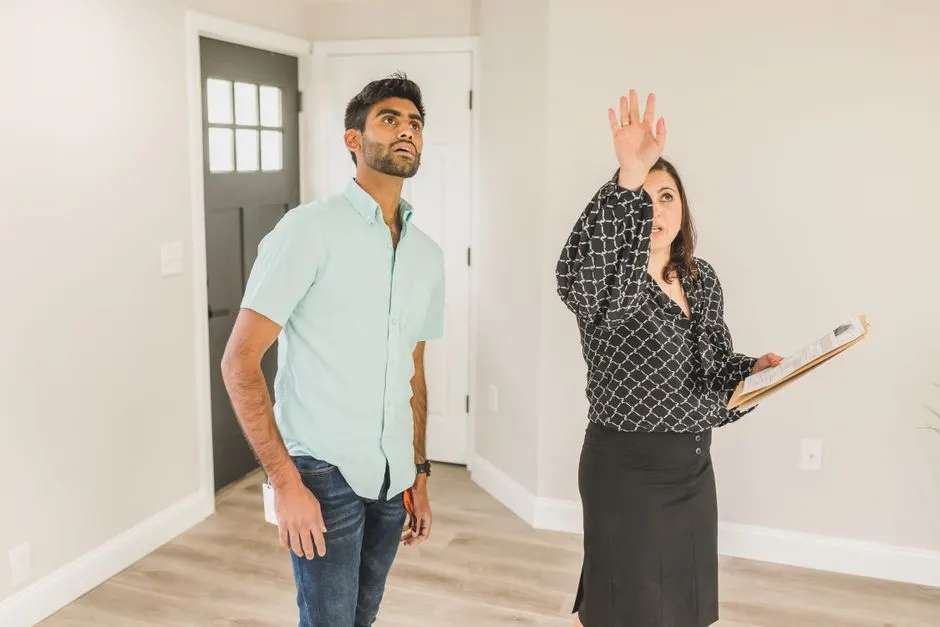
A real estate agent shows a house to a client, discussing the property details.
Licensed Licensed & Bonded
Fully Insured Insured & Bonded
24/7 Emergency Same-Day Response
Warranty Backed Workmanship Guaranteed in Charlotte

What Your Buyer Inspection Includes

Your inspection includes a visual review of accessible areas, moisture screening in suspect materials, and a discussion of odors, staining, and known water events. Sampling is added when the observed conditions justify it and is explained before collection. The inspection does not open finished walls or guarantee that concealed areas are free of mold; those limits are recorded so you know what was and was not visible.

Accessible area review

We inspect accessible living areas and relevant entry points to attics, crawl spaces, utility rooms, and HVAC components. We record visible staining, suspected growth, damaged finishes, and musty odors. Areas blocked by stored belongings, locked doors, or unsafe access are identified as limitations.

Moisture readings

We check selected materials with moisture meters where staining, odor, or a known leak suggests further review. Readings are interpreted against nearby materials and the location's conditions. A single reading is not a mold test; it helps us decide whether a moisture source needs attention.

Targeted sample options

When sampling is appropriate, we discuss whether an air or surface sample answers the question. Collection materials are selected for the method, labeled by location, and submitted for analysis when included. Results apply to the sample and conditions at collection, not every room in the property.

Findings and next steps

We explain what we observed, where moisture concerns were found, and which follow-up actions fit the evidence. You receive practical information to discuss with your agent or other property professional. Recommendations distinguish a simple repair concern from a condition that merits additional evaluation.

Pre-Purchase Mold Inspection Charlotte NC: What It Covers


Pre-Purchase Mold Inspection Charlotte NC is a property inspection that checks for visible mold, moisture problems, and conditions that could support mold growth before a home purchase. We examine accessible rooms, plumbing areas, attics, crawl spaces, and HVAC components for staining, musty odors, water damage, and persistent dampness. A pin-type moisture meter helps us verify suspect materials; an infrared thermal camera helps locate temperature patterns that deserve closer inspection. If evidence calls for sampling, we collect appropriate samples and explain what the results can and cannot establish.

Charlotte homes face humid summers, heavy rain, and periods when condensation forms on cool surfaces. A pre-purchase mold assessment Charlotte NC buyers request is especially useful after a roof leak, plumbing repair, long vacancy, or musty odor in a crawl space. We focus on evidence that can affect your decision, not speculation. If you need a mold inspection before buying a house in Charlotte, we check accessible trouble spots and provide clear observations you can discuss with your agent, seller, or other property professional.

What Happens During the Inspection

A Charlotte buyer inspection starts with your concerns and the transaction timeline, then moves through accessible areas of the home. We explain what we are checking as we go. Most visual inspections take about 2 to 4 hours; added sampling and laboratory analysis require additional processing time.

01

Schedule

Call or book online — a real human picks up and confirms a 2-hour arrival window.

02

Diagnose

Licensed tech inspects on-site, then walks you through the cause and your options.

03

Fix

The job is completed to code and done right the first time — no shortcuts, no surprises.

04

Guarantee

Every job backed by a written workmanship warranty — and we stand behind it.

Tools and Inspection Methods

Tools & Equipment

FLIR infrared thermal camera

We use thermal imaging to locate unusual temperature patterns that may guide a closer moisture check. It does not see through walls or confirm mold, so we verify concerns with direct inspection or a moisture meter.

Tramex pinless moisture meter

A pinless meter screens a broader area without puncturing the surface. We compare readings across nearby materials and use them to select locations for more focused inspection.

Protimeter pin-type moisture meter

A pin-type meter provides a targeted reading in suitable materials when a stain or suspected leak needs closer checking. We interpret the number in context rather than treating it as a stand-alone diagnosis.

Hygrometer

A hygrometer records indoor relative humidity during the visit. Sustained readings around or above 60% can contribute to mold-friendly conditions, so we consider ventilation and the room's moisture sources.

Air sampling pump and spore trap cassette

When airborne sampling is justified, an air sampling pump draws a measured volume through a spore trap cassette. We label the collection location and interpret laboratory findings alongside the building inspection.

Surface sampling swab

A surface sampling swab collects material from a selected suspect area for analysis. It answers a limited question about that spot and cannot establish conditions behind walls or throughout the home.

Methods & Standards

Visual and moisture-led inspection

We begin with visible evidence and the property history, then check suspect materials with appropriate moisture tools. Readings are compared with nearby areas and interpreted alongside odors, stains, and building conditions. This approach helps separate a dry historical mark from a location that needs active moisture investigation.

Targeted air sampling

Air sampling is selected when the question concerns airborne particles and the inspection supports collection. We choose relevant locations, use a pump and spore trap cassette, and document conditions at sampling. Laboratory results represent the sampled air during that period, not every room or every future condition.

Surface sample collection

We collect a surface sample from a specific suspect patch when identification can clarify the inspection findings. The sample is labeled by location and sent for appropriate analysis. Results should be read with the material condition and moisture evidence; a surface result alone does not locate the source.

EPA-recognized moisture guidance

We use EPA-recognized mold and moisture guidance to keep the inspection focused on correcting water sources, drying affected materials, and managing indoor humidity. The guidance supports practical prevention and response; it is not a substitute for evaluating the specific construction and access conditions of a home.

When Buyers Should Book

01

A SouthPark home has a fresh paint patch below an upstairs bathroom and a seller-reported plumbing repair.

What we do: We check the affected ceiling and accessible bathroom plumbing areas for staining, moisture, and odor. A targeted material reading helps distinguish a dry repaired area from one that remains damp. If the condition warrants sampling, we explain the options before collecting anything.

→ You get a documented view of the repair area and relevant next steps before deciding how to address it in the transaction.

02

A University City listing has a musty crawl-space odor after several days of heavy rain.

What we do: We inspect accessible crawl-space areas for standing water, damp framing, visible growth, and signs of water entry. We also consider indoor humidity and odor pathways into the living space. Findings identify whether the concern is localized or needs a drainage or moisture follow-up.

→ You can discuss the specific condition with your agent before closing instead of treating the odor as either harmless or conclusive proof of mold.

03

A Dilworth home has attic sheathing discoloration and a history of winter condensation.

What we do: We review accessible attic surfaces for staining, visible growth, damp insulation, and ventilation clues. Temperature patterns from thermal imaging can guide checks, but we verify with direct observations or moisture readings rather than relying on the image alone.

→ You receive a practical account of the attic condition and whether the evidence supports further roofing, ventilation, or mold evaluation.

04

A Ballantyne buyer finds a persistent odor near a supply vent during the final walkthrough.

What we do: We inspect accessible HVAC components and nearby surfaces for moisture, dust accumulation, and visible suspect material. If airborne sampling is appropriate, we select locations that reflect the concern and explain laboratory timing in relation to your closing date.

→ You learn whether the concern is supported by observed conditions and what additional HVAC or indoor-air evaluation may be useful.

How Buyer Inspections Work in Charlotte

Pre-purchase mold assessment Charlotte NC buyers arrange must account for humid summers, strong rain events, and homes that may have experienced repeated wet seasons. In November and through winter, cooler surfaces can show condensation where indoor moisture and ventilation are poorly balanced; spring and summer humidity can keep crawl spaces and bathrooms damp. Charlotte's housing stock ranges from older homes with past repairs to newer properties with tight envelopes and complex HVAC systems. We check the areas that match the reported history rather than assuming every home has the same risk. If you need to check a property for mold before purchase Charlotte, tell us about the roof, plumbing, crawl-space, or HVAC concerns and your contract deadline. Our team serves Mecklenburg County and inspects accessible locations, recording limitations where storage, locked entries, or finishes prevent a direct view. Findings are property observations, not a substitute for required building-code review or repair work by a qualified trade.

Neighborhoods We Serve

  • Plaza Midwood

    Older homes and additions can have varied plumbing histories. We pay close attention to repaired ceiling areas, window edges, and accessible lower-level spaces when those concerns appear.

  • South End

    Condominiums and renovated properties may have shared building systems or concealed plumbing runs. We focus the visit on the unit's accessible surfaces and document any limits on shared areas.

  • Ballantyne

    Larger homes can include multiple HVAC zones, attic spaces, and extensive plumbing. We prioritize reported odors, past leaks, and access points so the inspection stays tied to the property history.

  • NoDa

    Older structures and renovations can leave mixed materials and prior patchwork. We compare suspect readings with surrounding surfaces and note when a finish prevents direct inspection.

Local Conditions We Plan For

  • Summer humidity keeps crawl spaces and bathrooms damp.

    Sustained dampness can support mold growth on organic materials, especially where ventilation is limited. We check accessible framing and humidity conditions, then identify whether drainage, ventilation, or a plumbing source deserves follow-up.

  • Heavy rain exposes roof and foundation water entry.

    Water may travel from its entry point before staining appears indoors. We look for related marks, odors, and moisture readings around accessible ceilings, windows, and lower levels rather than assuming the visible stain identifies the source.

  • Winter condensation develops on cool building surfaces.

    Condensation can appear around windows, exterior walls, and poorly ventilated rooms when indoor humidity is high. We record the conditions present on inspection day and distinguish observed moisture from evidence of a longer-term leak.

Tracing a Musty Crawl-Space Odor

Before

A buyer in Charlotte noticed a musty smell near a hallway but could not see mold in the finished rooms. The seller had not reported a current leak, and the crawl-space door was difficult to access. The odor left the buyer unsure whether it came from damp materials below the home or an indoor source.

After

We inspected the accessible crawl space, noted damp framing in one area, and compared moisture readings with nearby material. The report identified the location and recommended follow-up on water entry rather than labeling the entire home affected. The buyer had a specific concern to discuss before closing.

Maintenance: After purchase, keep gutters and drainage clear, check the crawl space after major rain, and address standing water promptly. Maintain indoor humidity near 30% to 50% where practical and have persistent dampness investigated.

Before

A property listing showed a dark patch on attic sheathing. The buyer worried that the mark meant active mold, but the stain looked dry during the showing and no one knew whether a roof repair had been completed. The uncertainty affected the buyer's decision and repair planning.

After

We inspected accessible sheathing and nearby insulation, checked suspect materials for moisture, and noted ventilation conditions. The observed area was dry at the time of inspection, while the report flagged ventilation follow-up. The buyer could distinguish the current finding from a confirmed active leak.

Maintenance: Keep roof penetrations and flashing maintained, and confirm attic ventilation is not blocked. Recheck the area after heavy rain or a roof repair; fresh staining or damp insulation warrants prompt evaluation.

Before

A seller disclosed a repaired supply-line leak beneath a kitchen sink. The cabinet base had discoloration, and the buyer could not tell whether the repair had dried the materials or simply stopped visible dripping. Closing was approaching.

After

We checked the cabinet base and adjacent surfaces, compared moisture readings, and documented visible conditions. The immediate area read dry during the visit, while the report recommended monitoring the repaired connection. The buyer received a clear record to discuss with the agent before closing.

Maintenance: Check the supply connection periodically and keep the cabinet base clear enough to spot new moisture. If swelling, fresh staining, or a musty odor returns, stop the leak and dry affected materials promptly.

Check a Property for Mold Before Purchase

A home can look ready for sale while past leaks, humidity, or poor ventilation remain unresolved. Our inspection focuses on the conditions that matter to a buyer: visible growth, moisture, hidden-risk indicators, and areas that need access or further evaluation. We help turn vague concerns into specific findings.

Problem

A musty odor appears in rooms with no visible mold.

The odor may come from damp materials, a crawl space, or an HVAC area; ignoring it can leave a moisture source unaddressed after you move in.

Our Fix

We trace the odor through accessible spaces and check likely moisture points, including plumbing areas, HVAC components, and crawl-space entry locations. If visual and moisture findings do not answer the question, we discuss targeted sampling. You leave knowing which locations were checked and where access limits remain.

Problem

Old water stains conceal whether a leak is still active.

A dry-looking stain can be historical, but an active leak can damage finishes and support mold growth after purchase, turning a small repair into a larger project.

Our Fix

We compare suspect material readings with nearby areas and look for current dampness, fresh staining, and related conditions. If the evidence points to a continuing leak, we identify the location for follow-up rather than calling old discoloration active mold without support.

Problem

The attic or crawl space was not part of the showing.

Missed roof leaks, condensation, or persistent dampness below the home can affect framing and insulation while remaining outside the usual buyer walkthrough.

Our Fix

Where access is available and safe, we inspect these areas for visible growth, staining, odors, and moisture conditions. We note what we could reach and explain whether ventilation, drainage, or a building trade should assess a specific concern.

Problem

A seller reports cleanup but provides little detail.

Without a clear account of the affected area and follow-up, you may not know whether the moisture source was corrected or whether remaining concerns need review.

Our Fix

We inspect the reported location and surrounding accessible materials, then document current conditions. If post-remediation verification is needed, we explain how that differs from a pre-purchase inspection and what additional testing could establish.

Make a Better-Informed Purchase

Make a Better-Informed Purchase

Mold concerns can hide behind a clean coat of paint or show up only after rain. We look for measurable clues and explain their relevance so you can make a practical decision before closing, request further evaluation where warranted, or proceed with a better understanding of the property.

  • Spot moisture early

    We check suspect areas with moisture meters and visual inspection rather than relying on odor alone. A reading above the surrounding dry material is a reason to investigate the source, not an automatic mold diagnosis. Your buyer mold inspection Charlotte NC visit documents the locations and conditions that deserve follow-up before you accept the property.

  • Focus on hidden risks

    Our inspection looks beyond the living-room walls to accessible attics, crawl spaces, utility areas, and HVAC components. We look for mold growth after water intrusion, condensation, and staining that may point to a concealed problem. A thermal image can guide a closer check, while a borescope may help view a limited cavity when access is appropriate.

  • Get useful test results

    When sampling is justified, we select a method that fits the question: airborne screening, surface sampling, or both. Samples are labeled and sent for laboratory analysis when included in the agreed service. You receive the observations and results together, so you can distinguish a detected mold type from the moisture condition that needs correction.

  • Use findings in negotiations

    A clear report gives you specific locations, documented conditions, and practical next steps to share during the transaction. If we find a wet cabinet base or an attic ventilation concern, you can raise that exact issue with your agent before closing rather than making a decision based on a vague musty smell.

Inspection Standards and Credentials

Licensed & Certified

  • ACAC Council-certified Indoor Environmentalist — issued by American Council for Accredited Certification
  • ACAC Council-certified Microbial Consultant — issued by American Council for Accredited Certification
  • IICRC Applied Microbial Remediation Technician — issued by Institute of Inspection, Cleaning and Restoration Certification
  • IICRC Applied Microbial Remediation Specialist — issued by Institute of Inspection, Cleaning and Restoration Certification

Verified Reviews

Google ★★★★★4.9

We scheduled an inspection before closing on a Charlotte home after finding a musty odor near the crawl space. The technician checked the accessible area, explained the moisture readings, and showed us which finding needed follow-up. The report was direct and helped us ask the seller specific questions.

Google ★★★★★5.0

Our South End condo had a stain below a bathroom. The inspection focused on the affected ceiling and nearby plumbing rather than turning the visit into a broad, confusing list. We understood what was dry during the visit and what to monitor after the repair.

Yelp ★★★★★4.8

We were buying in University City and needed the attic checked after seeing dark sheathing in the listing photos. The inspector explained that thermal imaging was a guide, not proof, then checked the material directly. The findings gave us a sensible next step before we committed.

Technical Judgment for Buyers

A mold inspection is more than a quick look at a discolored wall. Our Charlotte team combines building-condition observations, moisture measurements, and targeted sampling when it answers a real question. We use established indoor environmental practices and explain the limits of visual inspection and laboratory results. The goal is a useful pre-purchase record: where we looked, what we found, what the evidence supports, and what remains concealed or outside the visit. We follow EPA-recognized mold and moisture guidance and match the method to the property concern.

  • We assess water staining, visible growth, odors, and moisture readings together rather than treating one clue as proof.
  • Our technicians use FLIR thermal imaging to locate temperature patterns that may warrant direct moisture checks.
  • When laboratory analysis is appropriate, sample handling and interpretation are tied to the specific inspection question.
  • We inspect accessible attic, crawl-space, plumbing, and HVAC locations that routine room-by-room walkthroughs can miss.
  • We explain limitations plainly, including inaccessible cavities and the fact that a sample represents only its collection location.
Get Started Today
Technical Judgment for Buyers

Pre-Purchase Mold Inspection Questions

Real answers to the questions we hear most often from local homeowners and property managers.

How much does a pre-purchase mold inspection cost in Charlotte?
A Charlotte pre-purchase mold inspection generally ranges from $250 to $650, depending on home size, access, and whether sampling is added. A visual inspection with moisture screening costs less than a larger property visit with multiple samples and laboratory analysis. We give upfront pricing before the appointment. Typical 2026 pricing reflects the inspection work and any selected testing; ask us to match the scope to your property and closing timeline.
Should I get a mold inspection before buying a home?
Yes, consider one before closing if you see water stains, smell persistent mustiness, find a history of leaks, or have concerns about an attic or crawl space. A mold inspection for home buyers in Charlotte checks accessible areas and moisture conditions that a standard visual walkthrough may not resolve. It cannot guarantee that every concealed space is free of mold, but it gives you evidence to discuss before completing the purchase.
Who provides buyer mold inspections near me in Charlotte?
Charlotte Mold Testing provides buyer-focused mold inspections across Charlotte and Mecklenburg County. We examine visible conditions, measure moisture where indicated, and recommend sampling only when it helps answer a specific question. To schedule a buyer mold assessment Charlotte NC, call +1 866-896-8166 with the property location, known concerns, and your closing date so we can discuss the appropriate scope.
Can a pre-purchase mold assessment delay closing?
A visual inspection usually takes about 2 to 4 hours, while laboratory sampling often adds several business days for results. The inspection itself does not automatically delay closing; timing depends on access, the contract schedule, and whether testing is needed. Book promptly and tell us your deadline. If the findings identify a concern, you and your transaction professionals can decide how to handle it.

Related Property Inspection Services

Residential Mold Inspection

A broader residential inspection checks a home for visible growth, dampness, and moisture sources whether or not a sale is pending. Buyers can use it when a pre-purchase visit identifies areas needing a fuller review, such as multiple rooms or a history of recurring leaks.

View Residential Mold Inspection

Commercial Mold Inspection

Commercial properties have larger HVAC systems, varied occupancy, and more complex building layouts than most homes. If you are buying an office, retail space, or other commercial property in Charlotte, this service can examine accessible work areas and moisture concerns relevant to the transaction.

View Commercial Mold Inspection

Mold Testing and Sampling

Sampling adds laboratory evidence when visible conditions or the inspection question warrant it. We may collect an air sample or a surface sample from a selected area, then explain what the result indicates and what it cannot establish. It supplements, rather than replaces, a moisture and building-condition inspection.

View Mold Testing and Sampling

Air Quality Testing for Mold

Air testing can help assess airborne mold particles when a musty odor or occupant concern lacks a visible source. We select sampling locations based on the property and conditions at the time of the visit. Results are interpreted alongside the inspection, not as a stand-alone pass-or-fail verdict.

View Air Quality Testing for Mold

Surface Mold Testing

Surface sampling can help identify material collected from a suspect patch, such as growth on a wall or cabinet base. It is useful when visual appearance alone is inconclusive. The sample describes the collection point; it does not map every surface or reveal hidden mold elsewhere in the home.

View Surface Mold Testing

Mold Identification and Lab Analysis

Laboratory analysis can characterize mold structures collected in selected samples. We connect results to the location, sampling method, and visible moisture conditions so you can understand their significance before purchase. Identification does not determine the source of dampness or replace correcting a leak.

View Mold Identification and Lab Analysis

Book Pre-Purchase Mold Inspection Charlotte NC

Get the property checked before your closing decision. Call Charlotte Mold Testing at +1 866-896-8166 with the address, your concerns, and your timeline. Our technicians inspect accessible areas and explain findings in plain language.

Call our team Book Inspection

Contact Charlotte Mold Testing

Call +1 866-896-8166 to tell us what you have noticed and where the property is located. Our team is available Monday through Friday, 8:00 a.m. to 6:00 p.m., to discuss inspections, sampling, and crawl space concerns across Charlotte, North Carolina. Share any leak history or affected rooms so we can focus the conversation on your property.

Or call us right now at +18668968166 — we answer.

Charlotte Mold Testing


  • Phone

    +18668968166
  • Address

    Charlotte, North Carolina

  • Hours

    Mon–Fri: 7AM – 7PM
    Sat: 8AM – 4PM
    Sun: Emergency Only
    24/7 Emergency Available

Call +18668968166 Get Quote
Call Quote