Logo
Get Estimate

Real Estate Mold Inspection Charlotte NC

Clear findings for buyers, sellers, and real estate agents


Real Estate Mold Inspection Charlotte NC helps buyers, sellers, and agents identify moisture conditions before a transaction moves forward. Our team checks accessible areas, documents visible concerns, and uses targeted testing when evidence supports it. A property mold assessment Charlotte NC gives you practical findings to discuss before inspection deadlines, negotiations, or listing photos lock in your next step.

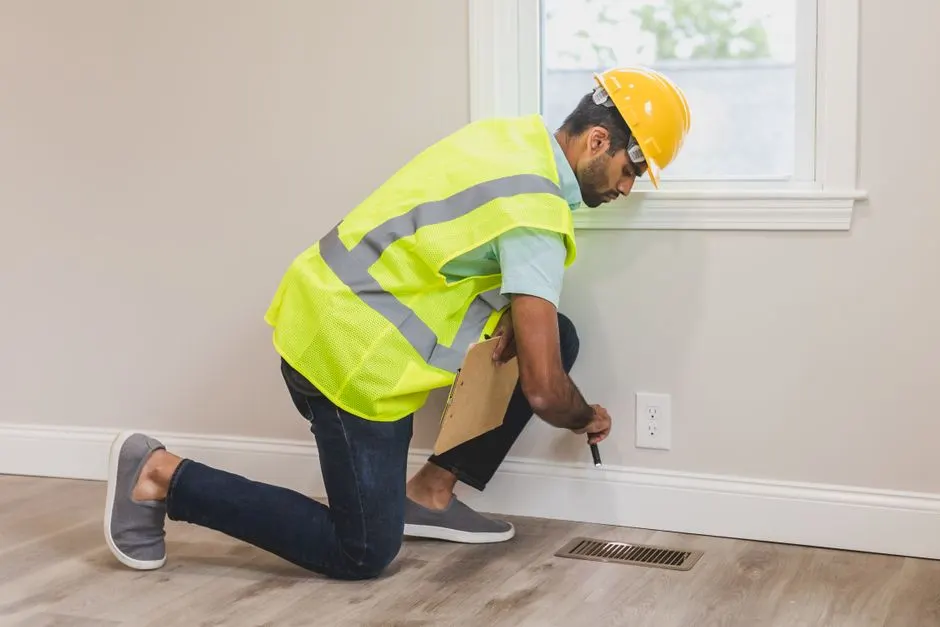
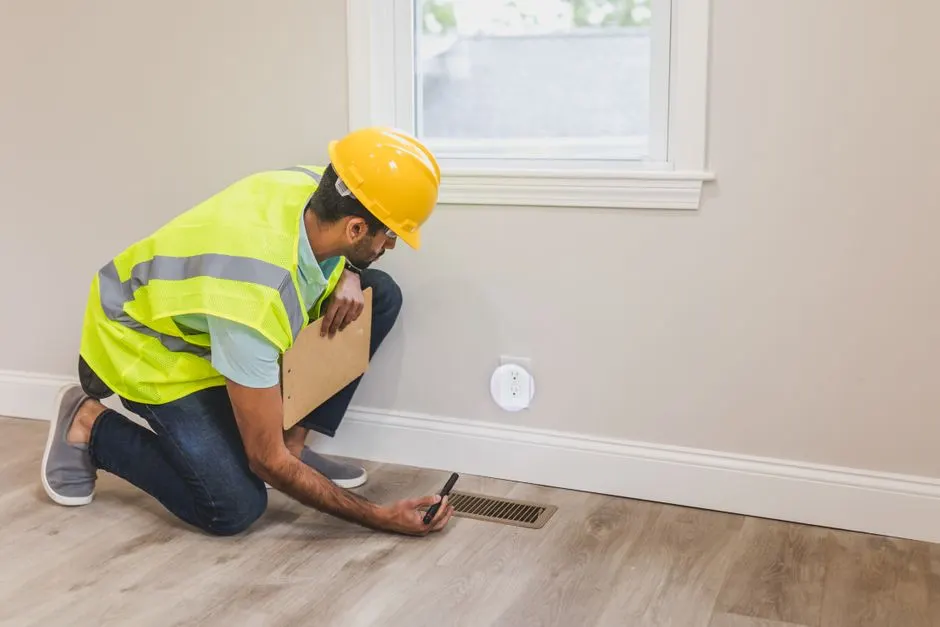
A construction worker in a hard hat inspects a floor vent indoors, ensuring quality and safety standards.
Licensed Licensed & Bonded
Fully Insured Insured & Bonded
24/7 Emergency Same-Day Response
Warranty Backed Workmanship Guaranteed in Charlotte

What Your Inspection Covers

Your real estate inspection includes a review of accessible areas related to the reported concern, visual observations, moisture checks where indicated, and a written summary of findings. We discuss sampling before collecting it and identify any access limits. Laboratory analysis, invasive opening of finishes, repairs, and remediation are separate work; the inspection report can recommend those next steps when evidence supports them.

Transaction-Focused Walkthrough

We review the rooms and building areas connected to your concern, including accessible bathrooms, utility areas, attic, or crawl space when included in the appointment. You can point out prior leaks, disclosures, odors, or buyer questions so we can document the relevant context.

Moisture Condition Checks

We use appropriate moisture and humidity instruments on suspect materials and compare readings with nearby areas. The report identifies where readings were taken and why, helping you distinguish a damp location from a broader assumption about the property.

Targeted Sample Options

When visual inspection alone cannot answer the transaction question, we discuss air or surface sampling. Samples are labeled by location and collected using a method suited to the material or air concern; laboratory analysis is identified in the service arrangement.

Written Findings and Next Steps

You receive a property-focused record of observations, measurements, sample results when applicable, and recommended follow-up. We note areas that were inaccessible and explain when a leak investigation, repair, or post-remediation check is a sensible next step.

Real Estate Mold Inspection Charlotte NC


Real Estate Mold Inspection Charlotte NC is a property condition inspection that evaluates visible mold concerns, moisture clues, and areas that may need targeted sampling before a sale or purchase. We inspect accessible rooms, attics, crawl spaces, and HVAC components as agreed, then use moisture readings and sampling where the conditions justify it. An infrared thermal camera can help locate temperature patterns associated with dampness, while a pin-type moisture meter checks suspect materials. The findings distinguish observed conditions from laboratory results and recommend clear next steps.

Charlotte properties face humid summers, heavy rain, and periods when closed-up homes retain moisture. In Mecklenburg County, a past roof leak, plumbing repair, crawl space dampness, or attic ventilation problem can become a transaction concern even when surfaces look clean. We inspect the evidence and explain its relevance in plain language. If you are arranging a property mold assessment before listing Charlotte NC, early inspection gives you time to address a documented moisture source before buyers raise it during due diligence.

What to Expect During Inspection

Real Estate Mold Inspection Charlotte NC starts with the transaction concern and ends with findings you can act on. We coordinate access, inspect the property systematically, and explain any recommended samples before collecting them. Most standard visits take about two to four hours; larger properties or added sampling change the schedule.

01

Schedule

Call or book online — a real human picks up and confirms a 2-hour arrival window.

02

Diagnose

Licensed tech inspects on-site, then walks you through the cause and your options.

03

Fix

The job is completed to code and done right the first time — no shortcuts, no surprises.

04

Guarantee

Every job backed by a written workmanship warranty — and we stand behind it.

Tools and Inspection Methods

Tools & Equipment

Infrared thermal camera

We use thermal patterns to screen for temperature differences that may point to damp materials or air leakage. A thermal image guides closer inspection; it does not confirm mold without supporting evidence.

Pin-type moisture meter

A pin-type meter checks moisture within a suspect material at a specific point. We use readings alongside visual conditions and comparisons with nearby surfaces to assess whether dampness needs follow-up.

Pinless moisture meter

A pinless moisture meter scans a broader surface without leaving probe holes. It helps compare suspect areas with surrounding materials during a transaction walkthrough.

Air sampling pump and spore trap cassette

When airborne sampling is justified, the pump draws a measured volume of air through a spore trap cassette. We document sample location and conditions so laboratory findings can be considered with the property inspection.

Hygrometer

A hygrometer records indoor relative humidity at the inspection location. The reading helps interpret condensation risk and excess indoor humidity, but one measurement is not a complete history of the building.

Methods & Standards

Visual and moisture-led assessment

We begin with the reported concern, inspect accessible surfaces, and use moisture readings where stains, odor, or building details warrant closer attention. This sequence keeps the evaluation tied to physical evidence. We document inaccessible areas rather than implying they were cleared.

Targeted air sampling

Air samples are collected when the question involves airborne conditions that visual inspection cannot resolve. We record where and under what conditions each sample was taken, then interpret the result in relation to the inspected property. A single sample does not establish the full condition of every room.

Surface sample identification

A surface sample is selected when a specific deposit needs analysis. We collect from the concern using an appropriate sampling medium, label the location, and connect the laboratory result to the material examined. The finding helps identify the sample; moisture source and extent require building-context evaluation.

When to Schedule an Inspection

01

A buyer in SouthPark sees a repaired ceiling stain and wants to understand whether moisture remains.

What we do: We inspect the ceiling and accessible areas around the reported repair, compare moisture readings with nearby materials, and look for related signs of water intrusion. If the concern remains unresolved, we explain whether targeted sampling or a contractor's leak investigation would add useful information.

→ You receive a documented account of current conditions and a clear next step before deciding how to handle the finding during due diligence.

02

A seller in Plaza Midwood notices a musty smell in a closed room before listing photographs.

What we do: We evaluate the room, adjacent surfaces, ventilation, and visible moisture clues. Where the odor suggests an airborne concern but no source is visible, we discuss air sampling and document the sampling conditions so results have context.

→ You can address a specific source or provide a measured explanation instead of relying on fragrance, repainting, or guesswork.

03

An agent needs a focused assessment after an inspection report flags a damp crawl space.

What we do: We review the flagged location, inspect accessible crawl space materials, and measure suspect areas. We note whether observations suggest a limited condition or a broader moisture pattern, and recommend further source investigation only when findings support it.

→ The buyer and seller have location-specific information to discuss, reducing confusion about what was actually inspected and what remains unresolved.

04

A University City homeowner is preparing to sell after a plumbing leak affected a cabinet wall.

What we do: We inspect the cabinet area and adjoining accessible materials, check moisture, and look for visible growth or residual dampness. If a surface deposit needs identification, we can collect a sample and connect the laboratory result to that location.

→ You have a concise record of the repaired area and any remaining concern to share with your agent or prospective buyer.

How Inspections Work Across Charlotte

Real Estate Mold Inspection Charlotte NC must account for local weather and the way a property has handled water over time. Warm, humid periods can raise indoor humidity, while heavy rain can expose grading, roof, window, or crawl space weaknesses. Winter conditions can also bring condensation on building surfaces when warm indoor air meets colder materials. We pay attention to attic ventilation, plumbing repairs, HVAC condensate, and signs of mold in crawl spaces because these areas often explain a transaction concern. Charlotte homes range from older masonry and renovated properties near Uptown to newer construction farther south and north; access and materials vary by building. Our Charlotte real estate mold inspector documents what is accessible and uses readings to guide any targeted sample. If you are arranging a mold inspection for a house sale in Charlotte, give us the disclosure or inspection note so we can focus the visit. We serve Mecklenburg County and ZIP areas including 28280 and 28282 as well as 28269 and 28262. We do not treat a thermal image or isolated lab result as a substitute for examining the building and its moisture conditions.

Neighborhoods We Serve

  • Uptown Charlotte

    Older and renovated buildings can have varied wall assemblies and service penetrations. We document accessible areas and distinguish visible evidence from concealed spaces that were not opened.

  • South End

    Condensation and HVAC concerns can be relevant in tightly occupied homes and multifamily properties. We check reported areas and nearby moisture indicators during the transaction visit.

  • Ballantyne

    Larger homes may have multiple HVAC zones, attic spaces, and bathrooms to consider. We prioritize the transaction concern and record which areas were accessible.

  • University City

    A history of plumbing leaks or crawl space dampness can prompt buyer questions. We relate measurements to the reported room and any accessible adjacent areas.

Local Conditions We Plan For

  • Humid summer air and closed-up interiors increase moisture concerns.

    High indoor humidity can contribute to condensation and musty odors, especially where airflow is limited. We record current readings and inspect surfaces for moisture evidence rather than assuming humidity alone proves mold.

  • Heavy rain can expose crawl space and roof water entry.

    Water intrusion may leave damp materials after visible pooling has stopped. We check accessible areas for staining, elevated moisture, and patterns that suggest a source needing repair before the transaction closes.

  • Older repairs can conceal moisture behind finished surfaces.

    Fresh paint or replaced trim may hide the original repair history without addressing the source. We use observations and non-invasive readings to identify areas for focused follow-up, while noting that sealed finishes limit direct confirmation.

Documenting a Bathroom Leak

Before

A buyer noticed a musty cabinet and a faint stain beside the bathroom vanity. The seller reported an earlier plumbing repair, but neither party knew whether the cabinet base remained damp. The concern was holding up a decision because no one had recorded current conditions or identified whether the mark required further investigation.

After

We checked the cabinet base and adjoining accessible materials, recorded moisture readings at three locations, and documented the visible stain. The readings were not elevated at the time of inspection, and the report recommended monitoring the repaired plumbing area. The buyer and seller had a location-specific result to discuss before closing.

Maintenance: Keep the cabinet base clear enough to spot leaks, and check the supply connections after the next use. If the stain grows or odor returns, investigate the plumbing source promptly rather than sealing the surface.

Before

A seller preparing a Charlotte home for listing found dark marks on attic sheathing after a period of heavy rain. The roof had been serviced, but the seller could not tell whether the marks reflected an active leak, old staining, or mold growth. Buyers were likely to ask for a clear explanation.

After

We inspected accessible sheathing and framing, checked suspect materials with a moisture meter, and photographed the area. Two measured locations showed no elevated moisture during the visit; the report still recommended confirming roof performance after rain. The seller gained documented observations without treating the old stain as proof of an active problem.

Maintenance: Keep attic access clear and check for new staining after significant rainfall. Maintain ventilation openings and ask a qualified roofing professional to investigate if dampness or fresh water marks appear.

Before

A buyer's inspection noted a damp odor near the floor but did not establish its source. The home had a crawl space, and the buyer wanted to know whether the odor related to moisture below the living area or a plumbing issue inside the house.

After

We inspected accessible crawl space areas, recorded humidity and material readings, and noted damp soil conditions near one section. The report identified the location for drainage follow-up and recommended checking the nearby plumbing. The buyer received measurable findings and a focused next step rather than a broad assumption about the whole house.

Maintenance: Keep exterior drainage directed away from the foundation and check for plumbing drips. Recheck the crawl space after heavy rain; new standing water or persistent dampness calls for source investigation.

Resolve Property Concerns Before Closing

A transaction concern can stall when an odor, stain, or moisture reading has no clear explanation. For a mold inspection for home buyers and sellers Charlotte, we connect the reported symptom to accessible building evidence and recommend focused follow-up. That gives you a practical basis for the next conversation.

Problem

A musty odor remains after a visible leak was repaired.

The odor can prompt buyer concern or delay negotiations, while the original leak repair may not have addressed damp materials nearby.

Our Fix

We inspect the reported room and adjoining accessible areas, check suspect materials for moisture, and consider targeted air or surface sampling when useful. Our report identifies observed conditions and distinguishes them from assumptions about concealed spaces. You can then direct follow-up toward the source rather than opening finishes without evidence.

Problem

A buyer finds a dark mark and questions whether it is mold.

A photograph alone cannot establish the material's identity, and unsupported claims can complicate disclosures or repair discussions.

Our Fix

We examine the mark, surrounding material, and moisture conditions. If identification matters to the transaction, we collect a targeted surface sample for analysis and record its exact location. You receive a result tied to the observed area, plus practical guidance about moisture control or further inspection.

Problem

Attic staining appears after a roof leak or humid season.

Unresolved moisture can affect sheathing or framing and create concern about hidden mold growth during a buyer's due diligence period.

Our Fix

We inspect accessible attic materials for staining, dampness, condensation patterns, and ventilation concerns. Moisture readings and photographs help document current conditions. If the evidence points to an active roof or ventilation issue, we identify the appropriate next investigation so you can coordinate repairs and later verification.

Problem

A seller needs facts about crawl space dampness before listing.

Persistent indoor dampness or mold in crawl spaces can lead to repeated buyer questions if no one documents the condition or source.

Our Fix

We assess accessible crawl space conditions, check suspect materials, and note signs of water intrusion or humidity. Findings help you decide whether to address drainage, plumbing, or another moisture source before listing. A property mold assessment gives your agent a clearer record to use when questions arise.

Make the Next Decision Clear

Make the Next Decision Clear

A real estate inspection should give you usable facts, not a vague warning. We connect observed conditions, moisture readings, and any recommended samples to the rooms and materials involved. You can use the report to prioritize repairs, support a transaction discussion, or decide whether further evaluation is warranted.

  • Find Moisture Clues

    We check visible staining, odor concerns, plumbing locations, window areas, and accessible building materials for signs of active or past moisture. A pinless moisture meter helps compare broad surface readings, while targeted pin readings check specific materials when appropriate. You receive locations and observations you can relate to the property, rather than a general statement that mold may be present.

  • Target Testing Carefully

    Sampling is selected to answer a property question, not performed automatically in every room. If airborne conditions are a concern, an air sampling pump and spore trap cassette can collect a defined sample for laboratory analysis. Surface sampling can help identify material on a specific area. The report explains what was sampled and what the result does and does not establish.

  • Support Transaction Timing

    A home sale mold inspection in Charlotte helps you address a concern while inspection and negotiation windows are still open. We organize findings by location and urgency, so you can share relevant information with your agent, buyer, seller, or contractor. A documented moisture source is easier to discuss than an unexplained odor or a photograph with no context.

  • Separate Facts From Assumptions

    A dark mark does not by itself establish mold growth, and a clean-looking wall does not rule out moisture behind finishes. We record what we observe, identify limitations in access, and recommend a next step when evidence points to a concealed area. That distinction helps you avoid both unnecessary demolition and false confidence.

Inspection Standards and Proof

Licensed & Certified

  • ACAC Council-certified Indoor Environmentalist — issued by American Council for Accredited Certification
  • ACAC Council-certified Microbial Consultant — issued by American Council for Accredited Certification
  • IICRC Applied Microbial Remediation Technician — issued by Institute of Inspection, Cleaning and Restoration Certification

Verified Reviews

Google ★★★★★4.9

Our buyer raised a concern about an old leak, and the inspection helped us separate the stain from current moisture. The technician checked the affected room, documented readings, and explained what the result meant for the sale. The report was clear enough for our agent to use in the next conversation.

Google ★★★★★4.8

We needed an attic assessment before listing our Charlotte home. The inspector showed us the areas checked, explained the moisture readings, and noted the roof follow-up we should make. The visit stayed focused on the transaction concern, and we had practical information to share with the buyer.

Yelp ★★★★★5.0

A damp crawl space was flagged during due diligence, and we wanted facts before deciding what to do. The inspection identified the location of the dampness and recommended a focused drainage check. We appreciated that the report explained both what was found and what could not be confirmed without further access.

Practical Inspection Expertise

Charlotte Mold Testing focuses on building moisture and mold questions that arise during property transactions. We apply a consistent inspection sequence, document where readings and samples come from, and explain findings without turning a laboratory result into a broader claim than it supports. Our approach draws on recognized indoor environmental practices and EPA-recognized mold and moisture guidance. We do not claim a business tenure or credential not established for this service; instead, we make the inspection method and its limits clear so you can use the evidence responsibly.

  • We compare moisture readings with nearby materials and record the location, surface, and condition that prompted each measurement.
  • We use infrared imaging as a screening aid, then verify suspect patterns with direct inspection or moisture measurement.
  • Air samples are tied to documented locations and interpreted alongside building conditions, not treated as a stand-alone diagnosis.
  • We inspect transaction-relevant areas such as attics, crawl spaces, bathrooms, and HVAC components when access is available.
  • Our report separates observed mold-like growth, moisture evidence, sampling results, and recommended follow-up.
Get Started Today
Practical Inspection Expertise

Frequently Asked Questions

Real answers to the questions we hear most often from local homeowners and property managers.

How much does a real estate mold inspection cost in Charlotte?
A standard 2026 inspection commonly costs about $250-$650, with sampling or difficult access raising the total. The property size, number of areas, travel within the service area, and laboratory samples affect pricing. We explain the price before the appointment. For a mold inspection for a house sale in Charlotte, share the square footage, transaction deadline, and known concern so we can identify the right scope.
When should sellers arrange a property mold assessment?
Sellers should arrange an assessment as soon as they notice an odor, leak history, staining, or a buyer-raised concern, ideally before listing or early in due diligence. That timing leaves room to investigate moisture and plan repairs before closing deadlines. We inspect the reported area and accessible related spaces, then document findings. A pre-listing visit is especially useful after roof, plumbing, or crawl space moisture issues.
Who offers real estate mold inspections near me?
Charlotte Mold Testing provides real estate mold inspections across Charlotte, North Carolina, including Mecklenburg County neighborhoods. Tell us whether you are a buyer, seller, or agent and what issue needs evaluation. Our team checks accessible areas, measures suspect materials, and recommends targeted sampling when it answers a clear question. For real estate mold inspection near me in Charlotte NC, call +18668968166 with your property location and deadline.
What does a real estate mold inspection report include?
A real estate inspection report includes observed conditions, locations, moisture findings, any samples collected, laboratory results when ordered, and recommended next steps. It also identifies access limitations so you know what could not be evaluated. We explain the difference between visible growth, moisture evidence, and a lab result. The report is designed to help you discuss specific property concerns with your agent or repair professional.

Related Inspection Services

Residential Mold Inspection

For a Charlotte home transaction, residential inspection can broaden the review beyond the concern named in the offer or disclosure. We examine accessible living areas and moisture-prone spaces, then document conditions that could affect occupancy or require follow-up before closing.

View Residential Mold Inspection

Commercial Mold Inspection

A commercial property transaction may involve larger floor areas, tenant spaces, mechanical rooms, and multiple moisture sources. We focus the inspection on the building areas relevant to the sale or lease and record access limitations, observed concerns, and recommended investigation.

View Commercial Mold Inspection

Mold Testing and Sampling

Sampling supplements the real estate inspection when a defined concern needs laboratory analysis. We select air or surface collection based on the question, record the sample location, and explain how results relate to observed moisture and building conditions.

View Mold Testing and Sampling

Air Quality Testing for Mold

Air testing can help evaluate elevated airborne mold spores when odor or occupant concerns persist without a clear visible source. We use a documented sampling location and compare results with the inspection context rather than treating one sample as a complete building diagnosis.

View Air Quality Testing for Mold

Surface Mold Testing

Surface testing is useful when a particular deposit needs identification. We collect a targeted sample from the area of concern and connect the result to its room and material, helping buyers and sellers avoid assumptions based on color or appearance alone.

View Surface Mold Testing

Mold Identification and Lab Analysis

Laboratory analysis can identify material collected during a transaction inspection. We label samples and relate findings to the sampled location, visible condition, and moisture evidence, so the result answers a property question rather than standing apart from the inspection.

View Mold Identification and Lab Analysis

Book Real Estate Mold Inspection Charlotte NC

Get clear findings before your property decision moves forward. Call Charlotte Mold Testing at +18668968166 to discuss the property, transaction deadline, and areas of concern; our team provides upfront pricing before the inspection.

Call Today Request Inspection

Contact Charlotte Mold Testing

Call +1 866-896-8166 to tell us what you have noticed and where the property is located. Our team is available Monday through Friday, 8:00 a.m. to 6:00 p.m., to discuss inspections, sampling, and crawl space concerns across Charlotte, North Carolina. Share any leak history or affected rooms so we can focus the conversation on your property.

Or call us right now at +18668968166 — we answer.

Charlotte Mold Testing


  • Phone

    +18668968166
  • Address

    Charlotte, North Carolina

  • Hours

    Mon–Fri: 7AM – 7PM
    Sat: 8AM – 4PM
    Sun: Emergency Only
    24/7 Emergency Available

Call +18668968166 Get Quote
Call Quote