
Northlake Mall
Northlake Mall is a major retail landmark in the northern Charlotte area and a useful orientation reference when locating nearby streets and properties.
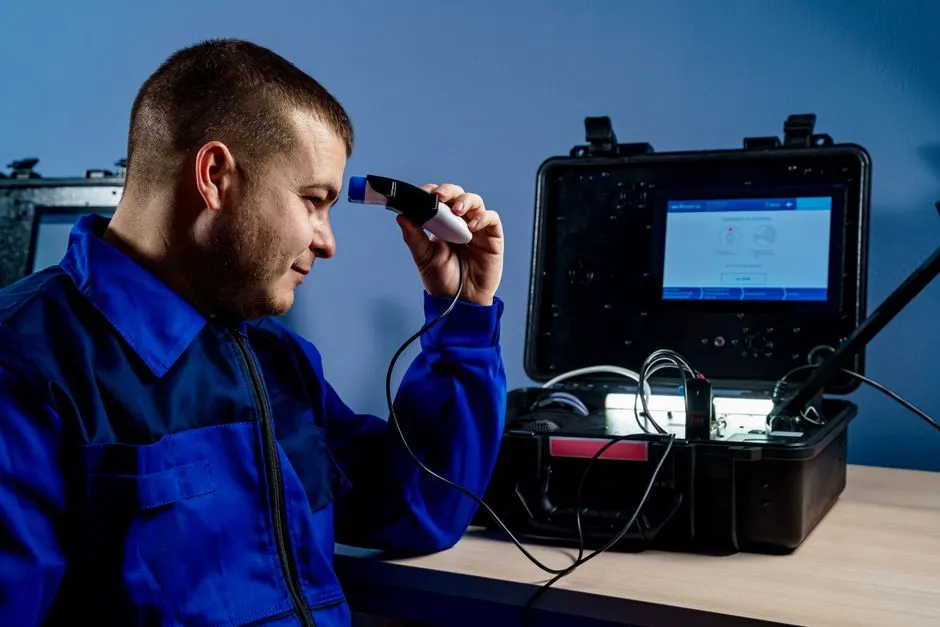
Mold Inspection and Testing in North Charlotte is an indoor environmental assessment that locates moisture conditions and evaluates suspected mold when a leak, odor, or visible growth raises concern. Around Northlake, North Park, and Highland Creek, homes range from established properties to newer subdivisions, so we adjust the inspection to the building rather than follow a one-size checklist. Our mold inspector in North Charlotte, Charlotte checks bathrooms, attics, crawl spaces, HVAC areas, and any wall or ceiling where water has traveled. Nearby lakes and creeks make drainage and water intrusion relevant to some properties, while warm, humid weather can keep damp materials from drying quickly.
We begin with a room-by-room visual review and moisture readings. A pin-type moisture meter checks specific materials; an infrared thermal camera helps identify temperature patterns that deserve closer examination, but it does not prove mold by itself. If sampling is justified, we collect clearly identified samples and document locations for laboratory analysis. You receive findings tied to observed conditions, not a guess based only on odor or a single air sample. We serve North Charlotte in Mecklenburg County and nearby parts of Charlotte, North Carolina, with appointments for homes, rental properties, and commercial spaces.
North Charlotte properties call for different levels of investigation: a small bathroom stain is not the same job as a damp crawl space or a musty HVAC system. Our inspection plan follows the reported concern and the building layout, with visual checks and moisture readings before targeted sampling. If you are searching for Mold Inspection and Testing near me in North Charlotte NC, tell us whether the issue followed a leak, appears seasonally, or affects several rooms. That context helps us arrive prepared and focus the visit.
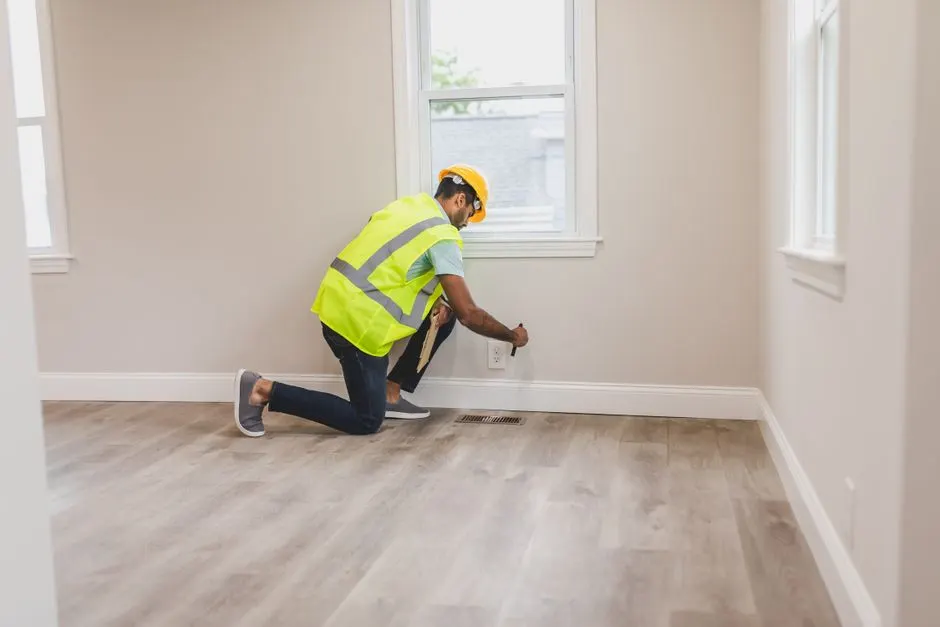


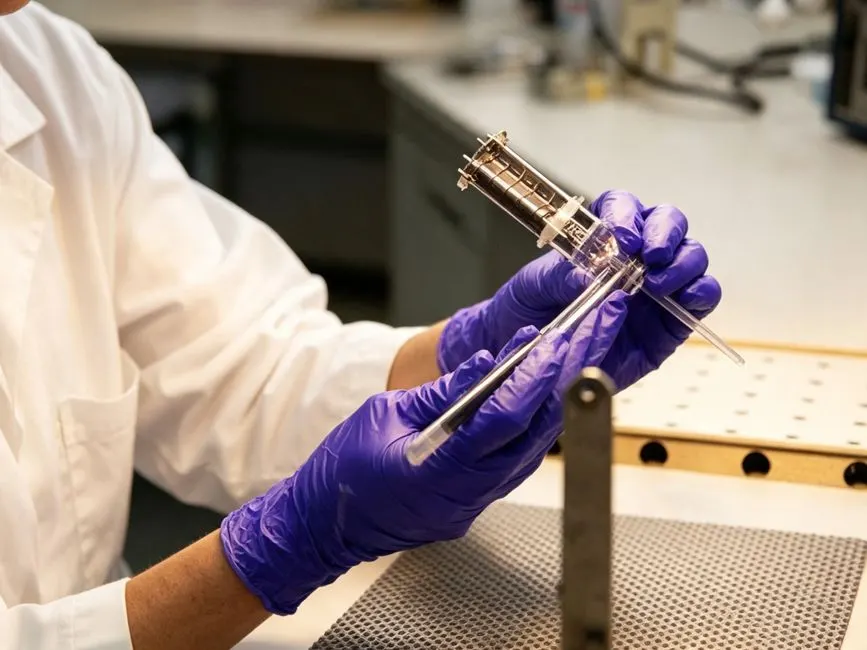
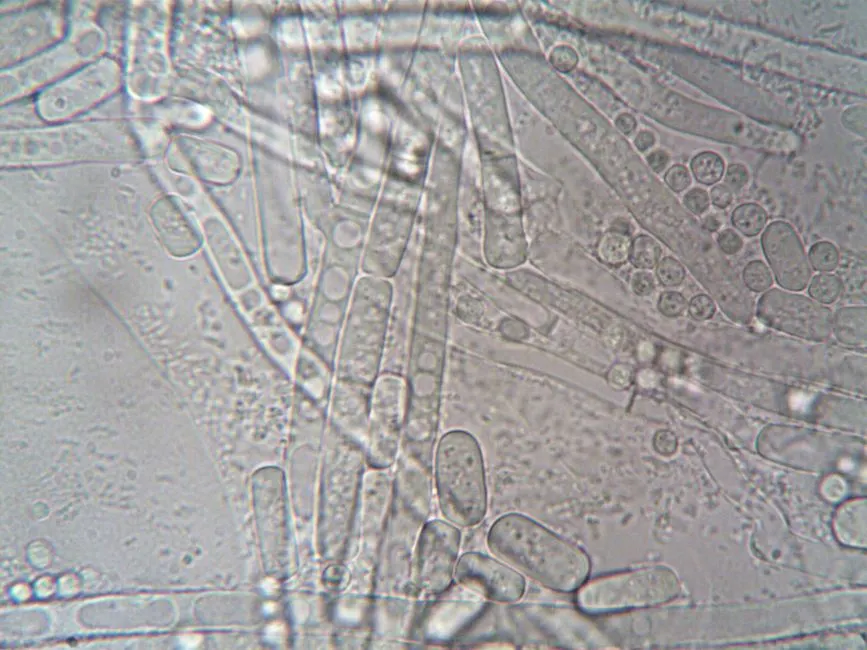
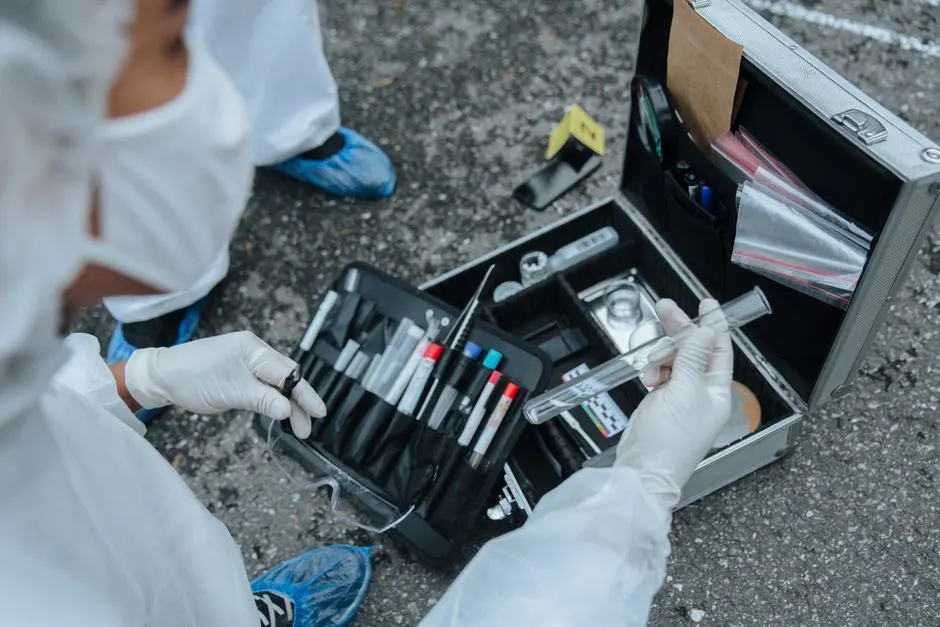


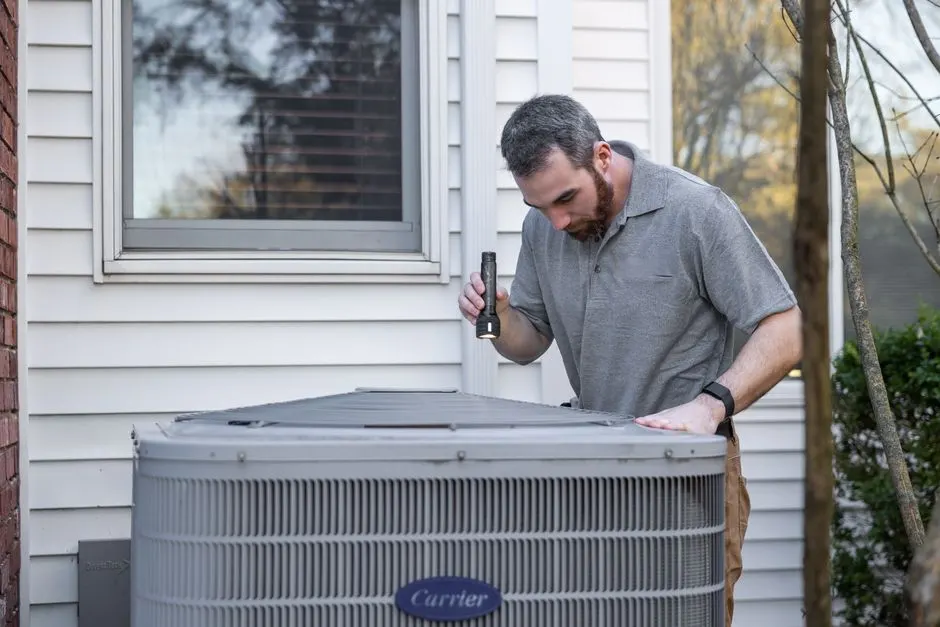

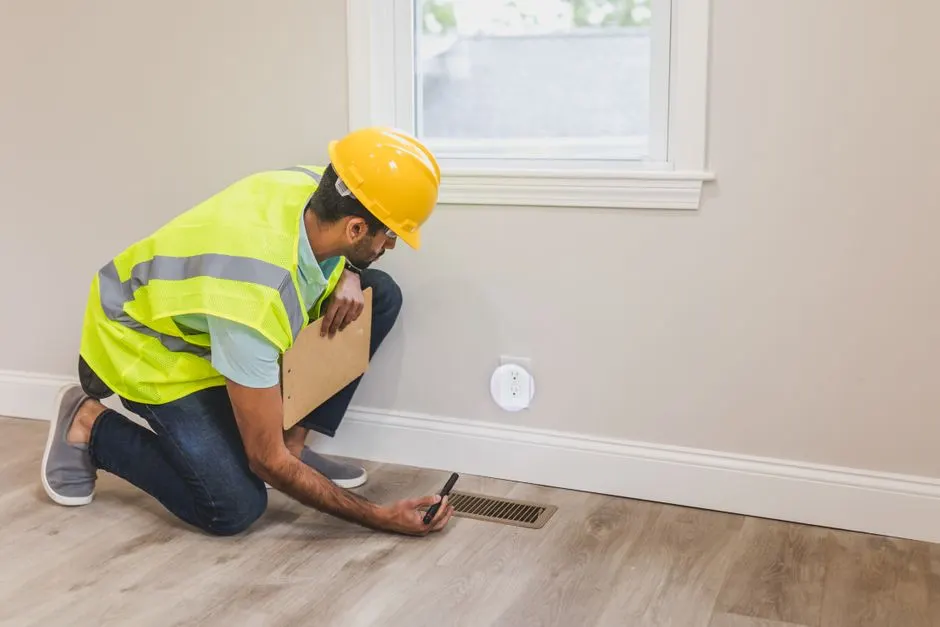


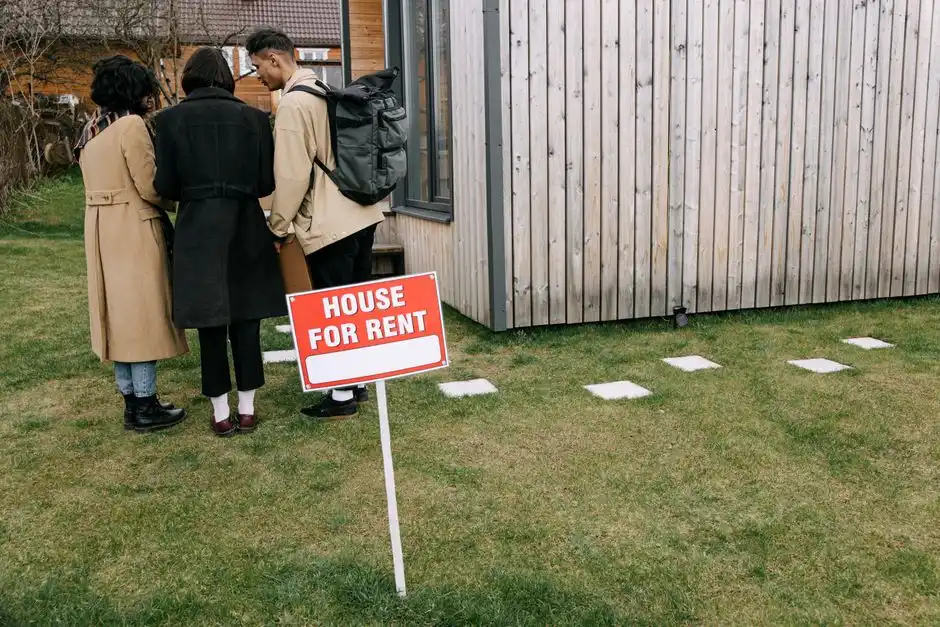
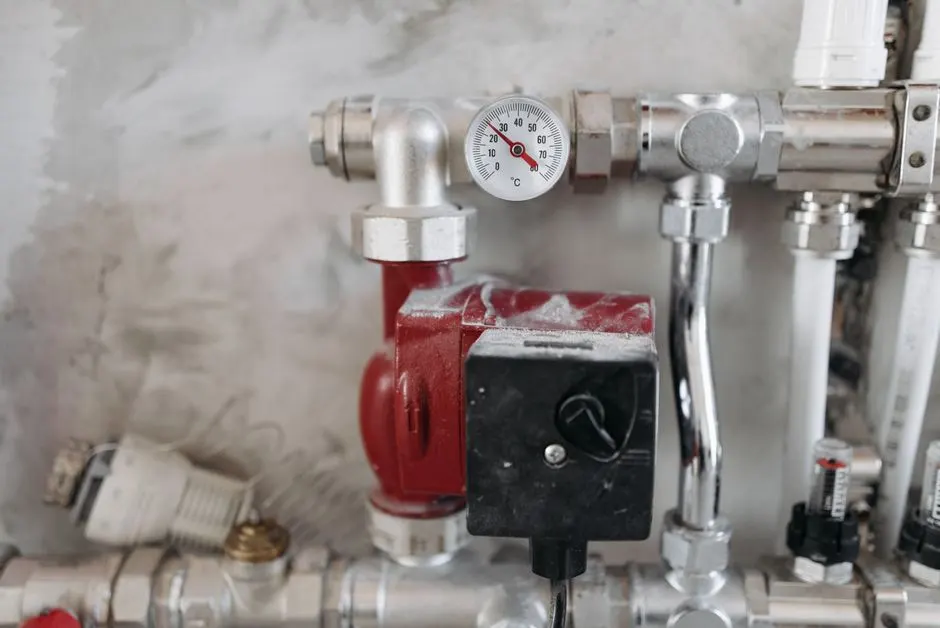
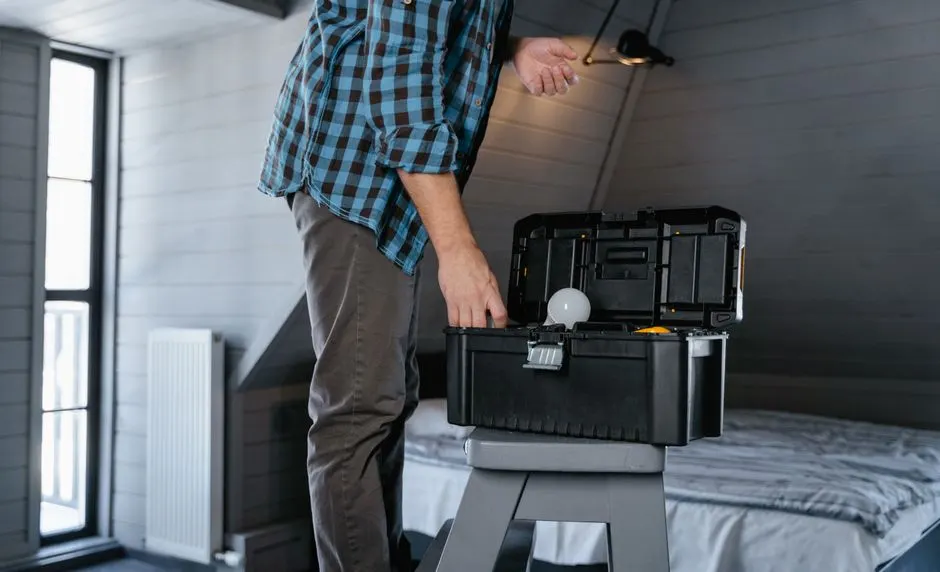
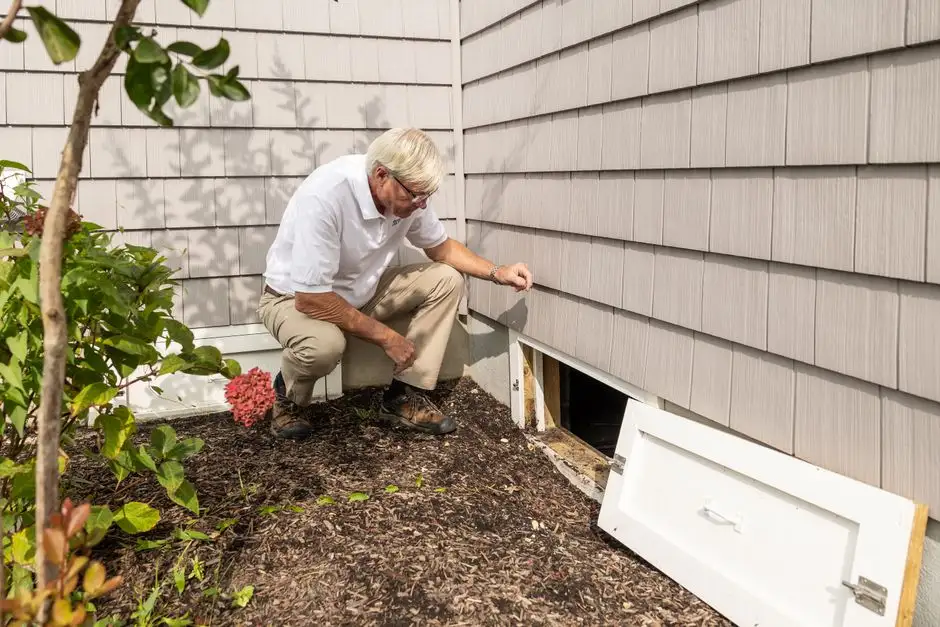
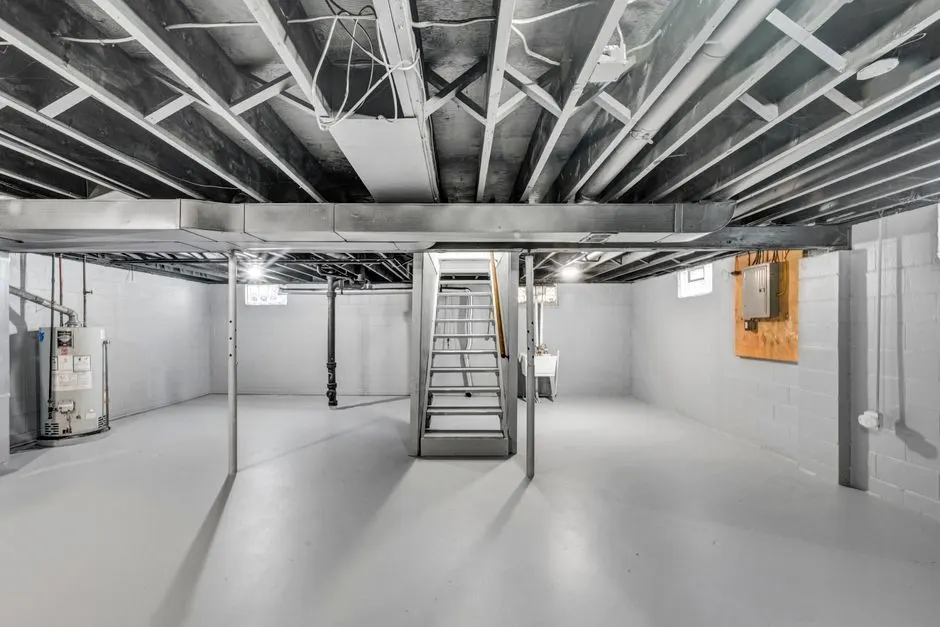
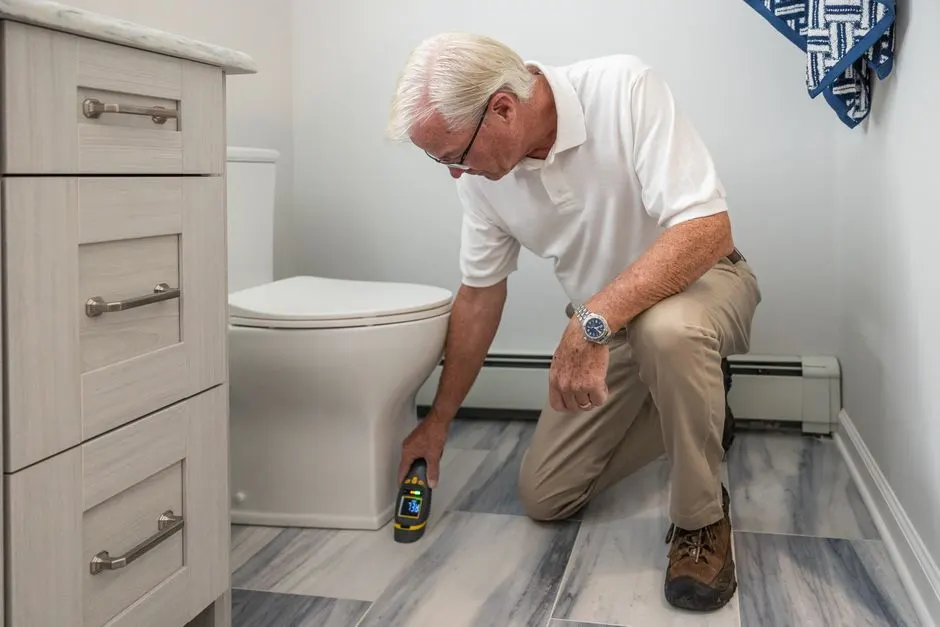
North Charlotte's warm, humid weather and heavy rain can increase building moisture risks, particularly where drainage, ventilation, or repairs are incomplete. Residential development includes established neighborhoods and newer subdivisions, each with different maintenance histories; commercial centers and multifamily communities bring shared systems and access challenges. North Charlotte mold testing services should start with the building condition, not assumptions based on age or neighborhood. We look for the moisture mechanism first, then determine whether a sample will answer a specific identification or air comparison question.
A small leak can wet drywall, insulation, or framing before a stain becomes obvious. Even after a plumber stops the leak, trapped moisture may take longer to dry, especially in enclosed areas. North Charlotte homes with repaired but undocumented leaks benefit from checking adjacent surfaces and the original water path.
Rainwater, poor drainage, plumbing leaks, or humid air can contribute to damp crawl-space conditions. Nearby lakes and creeks make drainage and water intrusion relevant to some properties, but the cause must be verified at each site. Wet framing and stored moisture can persist after outdoor weather improves.
Attic staining can result from roof leakage, indoor moisture moving upward, or ventilation conditions that allow condensation. A dark surface alone does not reveal whether the material is currently wet. Seasonal temperature differences can make an old pattern look more concerning than the actual moisture status.
Condensate, a wet filter area, or damp material near an HVAC component can contribute to odor and airborne particles. Multifamily and commercial systems can also serve several rooms, making the source harder to isolate. An air result alone cannot identify a specific leak or prove where growth is located.
A recurring odor, new staining, or damp material after a leak is a good reason to investigate rather than cover the surface. In North Charlotte, heavy rain and warm humid periods can leave moisture behind in crawl spaces, attics, bathrooms, and exterior-facing rooms. If you need a mold inspection after water damage in North Charlotte, arrange it after the immediate water source is controlled and tell us which materials were wet and for how long. We use those details to focus the visit and decide whether sampling is useful.
Musty odor returns after cleaning
A smell that returns can point to moisture or growth in a hidden area, such as behind a finish, beneath flooring, or near HVAC components. Cleaning the visible surface may not address the source. If the odor affects several rooms or worsens when the system runs, note where and when it appears.
Ceiling stain grows after rainfall
A stain that changes after rain suggests water may still be entering through a roof, wall, or nearby opening. The wet path can extend beyond the visible mark. Arrange an inspection promptly, especially if the ceiling feels soft, paint bubbles, or new staining appears in adjacent rooms.
Crawl-space framing feels damp
Damp framing or a persistent earthy smell can indicate moisture conditions that deserve measurement. Crawl spaces may have limited airflow and are easy to overlook during routine cleaning. We inspect accessible framing and look for water entry, plumbing leaks, and humidity patterns before recommending any sampling.
Condensation appears on cool surfaces
Repeated moisture on windows, exterior corners, or near supply registers may result from humid indoor air meeting a cooler surface. The source is not always a leak. A humidity reading and surface checks help clarify whether ventilation, temperature, or water intrusion needs further attention.
HVAC odor starts when cooling runs
An odor that begins with the system can involve a damp drain area, filter, coil compartment, or nearby material. It does not prove mold in ductwork, but it is a useful clue. Record which rooms are affected and whether the odor stops when the system is off.
North Charlotte has recognizable orientation points that help identify nearby streets and property areas during scheduling. Northlake Mall is a practical reference for the Northlake area, while Lake Norman and RibbonWalk Nature Preserve help distinguish broader north-side directions. Hornets Nest Park and North Mecklenburg Park are also familiar local landmarks. We use these names only to clarify location and routing; the inspection itself is based on your property address, reported moisture condition, and access to affected rooms.
Northlake Mall is a major retail landmark in the northern Charlotte area and a useful orientation reference when locating nearby streets and properties.
Lake Norman is a regional geographic landmark north of Charlotte. It helps distinguish the broader north-side service direction when customers describe where a property is located.
RibbonWalk Nature Preserve is a named natural area in North Charlotte that can help orient directions to nearby parts of the community without implying a connection to property conditions.
Plus surrounding Mecklenburg County neighborhoods, with same-day routing on most appointments.
Averaging 4.9 / 5 across verified reviews.
“We had a musty smell in our Northlake home after a leak, and the inspection helped us understand where to look instead of guessing. The technician checked the bathroom and the wall beside it, took moisture readings, and explained why one area needed follow-up. The report was easy to use with our repair contractor.”
Megan R.
Northlake
“Our Derita crawl space had stayed damp after several rainy days. The inspector checked the framing and ground area, explained the readings, and did not push sampling where it would not answer our question. We left with a clear list of what needed to be corrected and what to watch afterward.”
Derrick L.
Derita
“We booked an inspection in Highland Creek before finishing a repair in the attic. The technician reviewed the staining, checked accessible materials, and explained how ventilation and moisture readings fit together. The written findings helped us decide what to address before closing the ceiling.”
Rachel P.
Highland Creek
As November moves into winter, cooler outdoor air and heated interiors can make condensation more noticeable at windows and exterior corners. North Charlotte still faces moisture concerns throughout the year: spring rain can expose drainage weaknesses, summer humidity can slow drying, and fall storms can reveal roof or gutter problems. If you are arranging air quality mold testing North Charlotte NC, share recent weather, indoor humidity concerns, and any leak repairs. A seasonal pattern helps us choose inspection locations without treating weather alone as proof of mold.
Spring rain can bring renewed attention to roof edges, foundation drainage, crawl spaces, and lower-level walls. Materials that were only slightly damp may show staining or odor after repeated wet periods. Check for changes after storms rather than relying on a single dry-day observation.
Tip: After water enters, remove standing water and begin drying promptly. Keep photos and note when the leak occurred, then arrange an inspection if dampness, odor, or discoloration remains.
Warm, humid weather can contribute to persistent indoor dampness and condensation where cooling systems create cold surfaces. Closets, bathrooms, and HVAC-adjacent areas deserve attention if odors return or moisture appears repeatedly. A humidity reading provides context, but material checks are still needed.
Tip: Use bathroom exhaust during showers and check that condensate drains are not backing up. If a room remains damp, record humidity and the times the symptom appears before calling.
Fall storms can expose roof, window, and drainage weaknesses before colder weather sets in. Attic staining or a ceiling mark may become visible after wind-driven rain. Inspect accessible areas after a storm and take new leaks seriously while materials are still wet.
Tip: Clear ordinary exterior drainage paths where safe and watch for fresh interior marks. If rain-related staining changes, have the source and affected materials evaluated before repainting.
During winter, indoor heating and cooler exterior surfaces can create condensation at windows, closets, and exterior corners. Plumbing leaks and roof entry remain possible, while closed rooms may hold odors longer. A comparison of humidity and surface conditions helps separate condensation from water intrusion.
Tip: Keep furniture slightly away from cold exterior walls where practical and use exhaust ventilation in bathrooms. Report recurring condensation or musty odors rather than sealing the surface with paint.
North Charlotte is part of a wider Charlotte service region, so our work also connects with neighborhoods closer to the city center and other parts of the metro area. Property owners often need an inspection tied to a move, repair, rental turnover, or water event, and the right visit depends on the building and reported concern. These nearby service pages describe coverage in other Charlotte communities; they do not change the North Charlotte focus of this page.
(City)
Uptown lies south of North Charlotte and is a central service area for commercial buildings, apartments, and residential properties.
View Uptown Charlotte(City)
South End is farther south within Charlotte, extending the service region beyond North Charlotte's residential and commercial communities.
View South End(City)
NoDa is another Charlotte neighborhood within the broader service region, connected to North Charlotte by local roads and city routes.
View NoDa(City)
Plaza Midwood sits closer to central Charlotte and is covered alongside North Charlotte for property inspection and testing appointments.
View Plaza Midwood(City)
Elizabeth is part of the central Charlotte service area, with a different mix of property settings from North Charlotte subdivisions.
View Elizabeth(City)
Dilworth is a southern-central Charlotte neighborhood included in the same regional service network as North Charlotte.
View DilworthReal answers from our team for the questions we hear most often before a job starts.
If you have a recurring odor, fresh water stain, or damp crawl space in North Charlotte, call Charlotte Mold Testing and tell us what changed and when. We will help identify the right inspection or sampling visit and explain the next available appointment. Service is available across Mecklenburg County, including ZIP codes 28216, 28269, and 28262. Call +18668968166 to schedule.
Call +1 866-896-8166 to tell us what you have noticed and where the property is located. Our team is available Monday through Friday, 8:00 a.m. to 6:00 p.m., to discuss inspections, sampling, and crawl space concerns across Charlotte, North Carolina. Share any leak history or affected rooms so we can focus the conversation on your property.
Phone
+18668968166Address
Charlotte, North Carolina
Hours
Mon–Fri: 7AM – 7PM
Sat: 8AM – 4PM
Sun: Emergency Only
24/7 Emergency Available