
University of North Carolina at Charlotte
The university is a major University City reference point. Naming it can help distinguish properties on the campus side of the district when confirming the general location before using the street address.

Mold Inspection and Testing in University City is an indoor environmental assessment that checks for moisture conditions and evaluates suspected mold when visible growth, water intrusion, or persistent odor raises concern. We inspect homes, apartment units, student housing, and commercial spaces across University City, including Mallard Creek and Mallard Creek-Withrow Downs. The area's mix of residential buildings, research workplaces, retail spaces, and campus facilities calls for an inspection that accounts for how each building is used.
Our mold inspector in University City, Charlotte begins with a visual review and moisture measurements, then recommends sampling when it can answer a specific question. An infrared thermal camera can help locate temperature patterns that warrant a closer look; a pin-type moisture meter checks suspect materials directly. We document where readings were taken and explain what results mean in plain language.
Charlotte Mold Testing serves Mecklenburg County and the University City area, including properties near the University of North Carolina at Charlotte and Shoppes at University Place. If you are comparing providers, our Mold Inspection and Testing University City NC service focuses on evidence, practical next steps, and clear reporting rather than treating every stain as mold.
University City properties range from single-family homes to apartment communities, student housing, retail, research, and campus buildings. Our inspections are shaped by the specific concern: a leak stain, a musty room, HVAC odor, or a real-estate question. If you are searching for Mold Inspection and Testing near me in University City NC, we can inspect the affected area, measure moisture, and explain whether laboratory sampling is appropriate. We serve homes and facilities in ZIP codes 28213, 28262, and 28269.



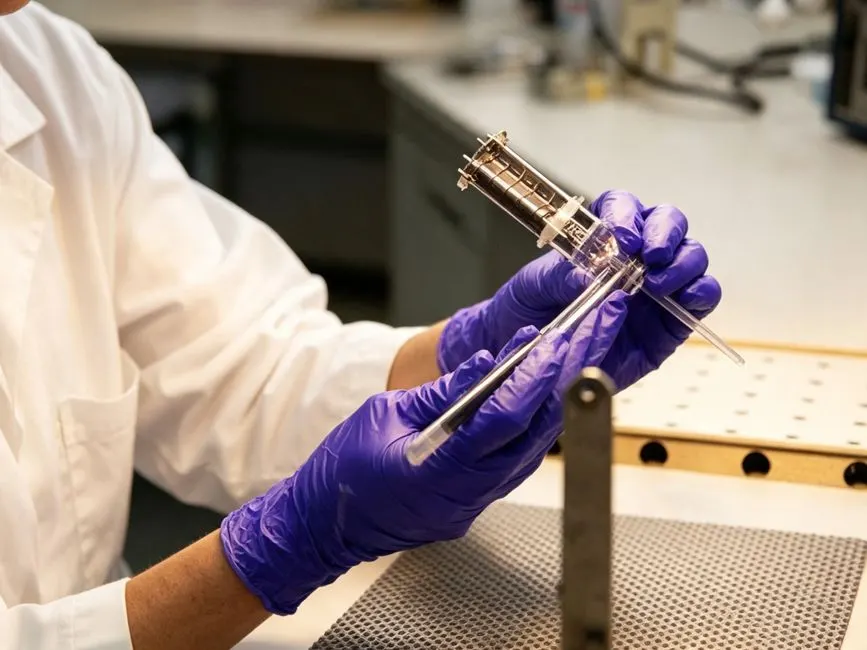
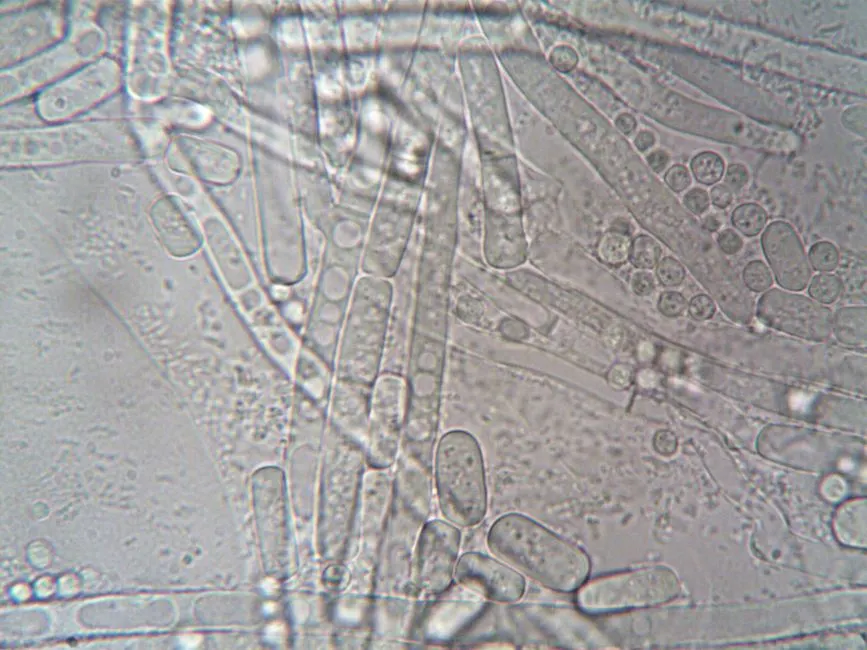
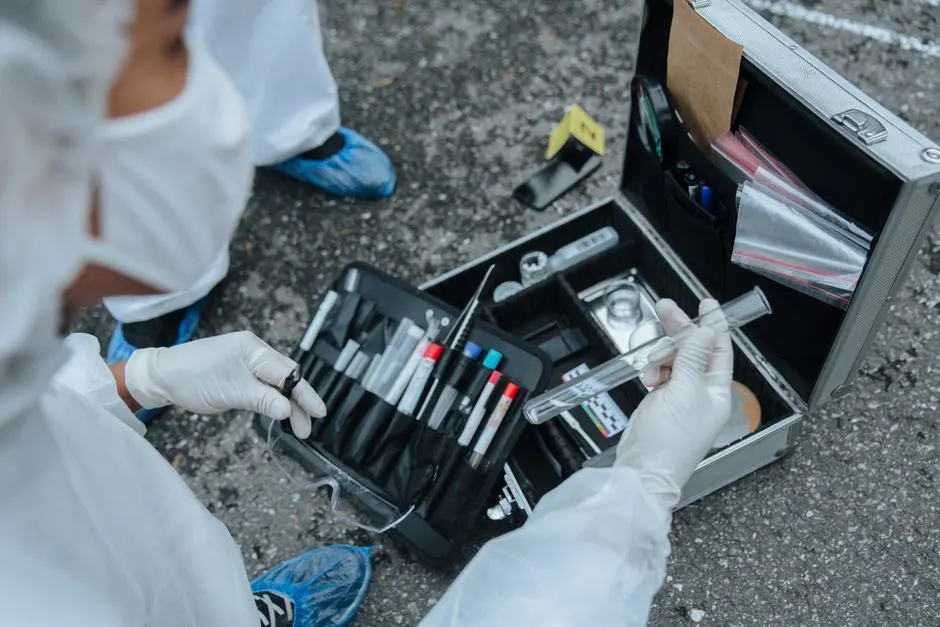


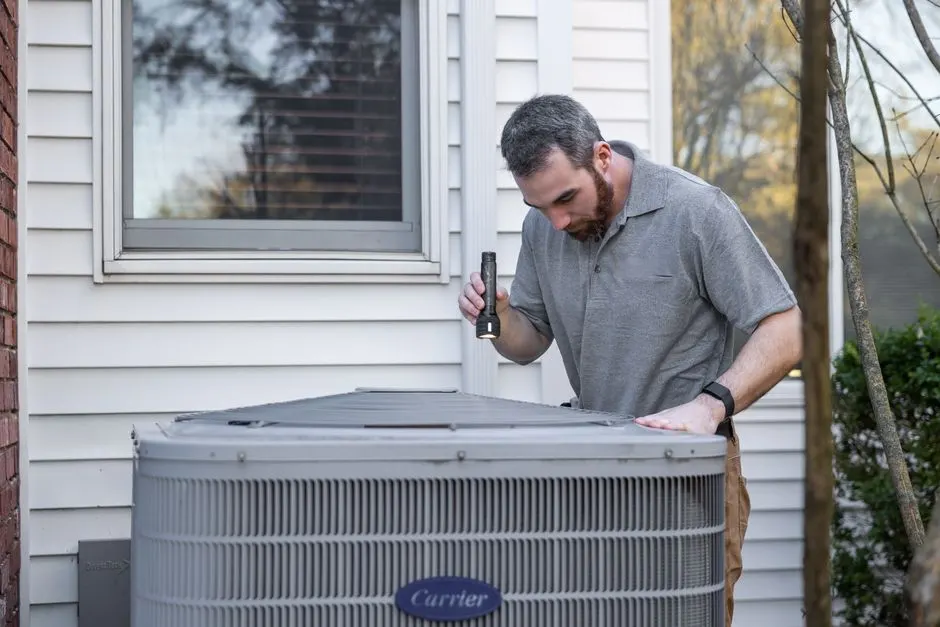





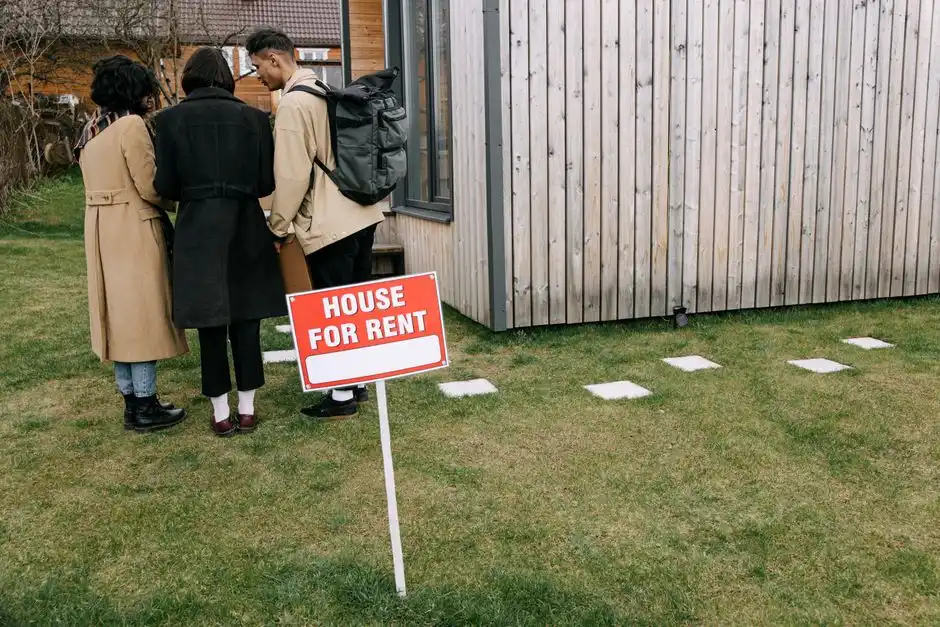

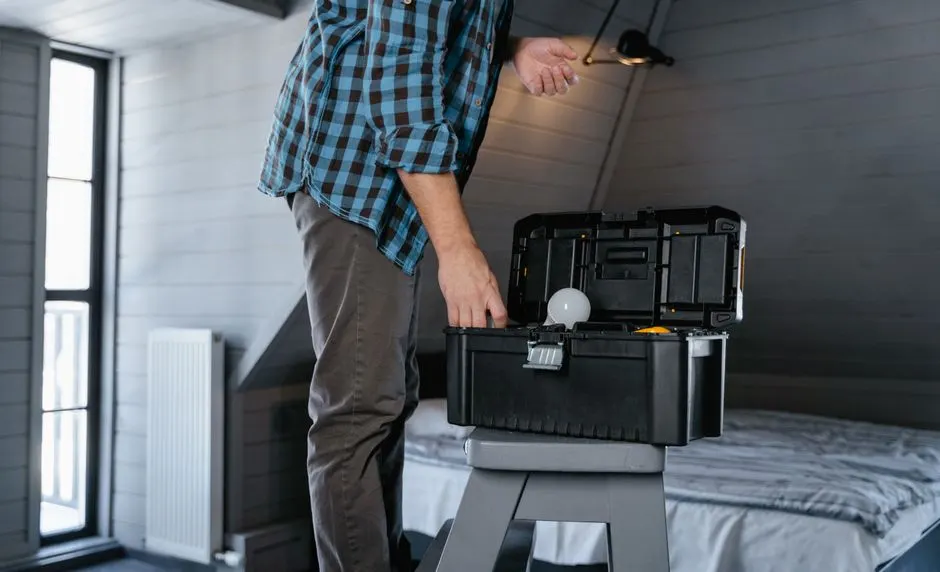
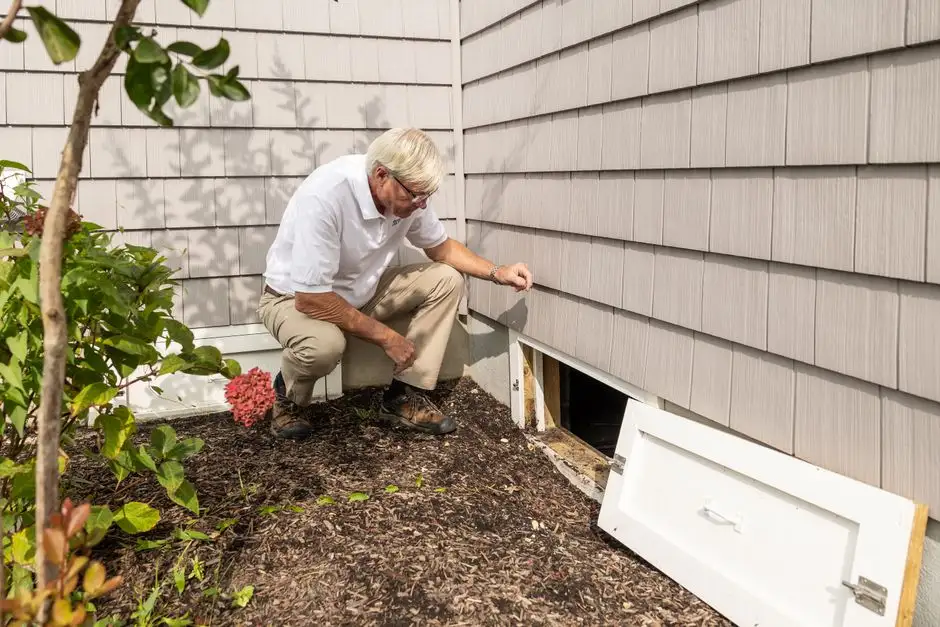
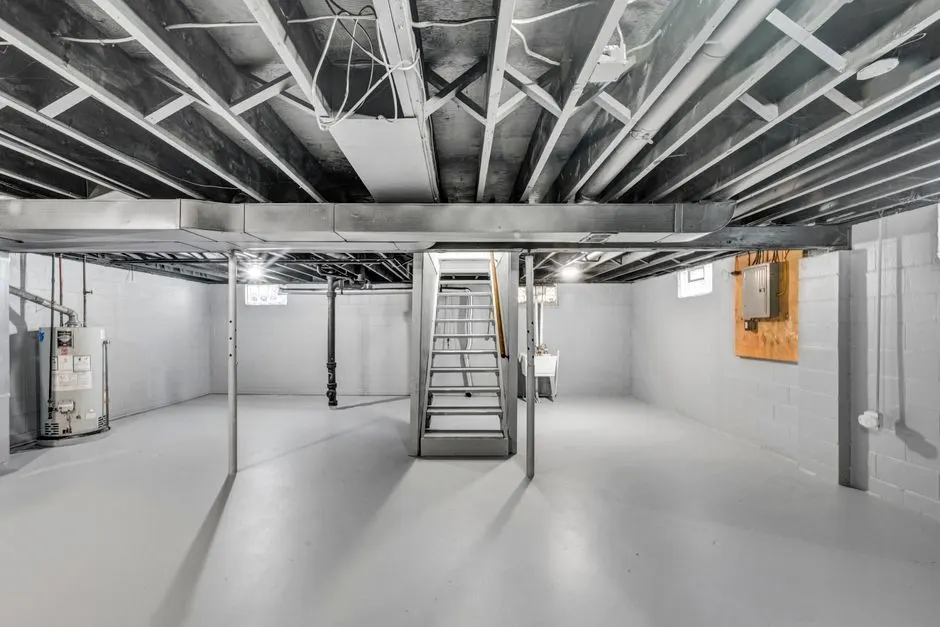
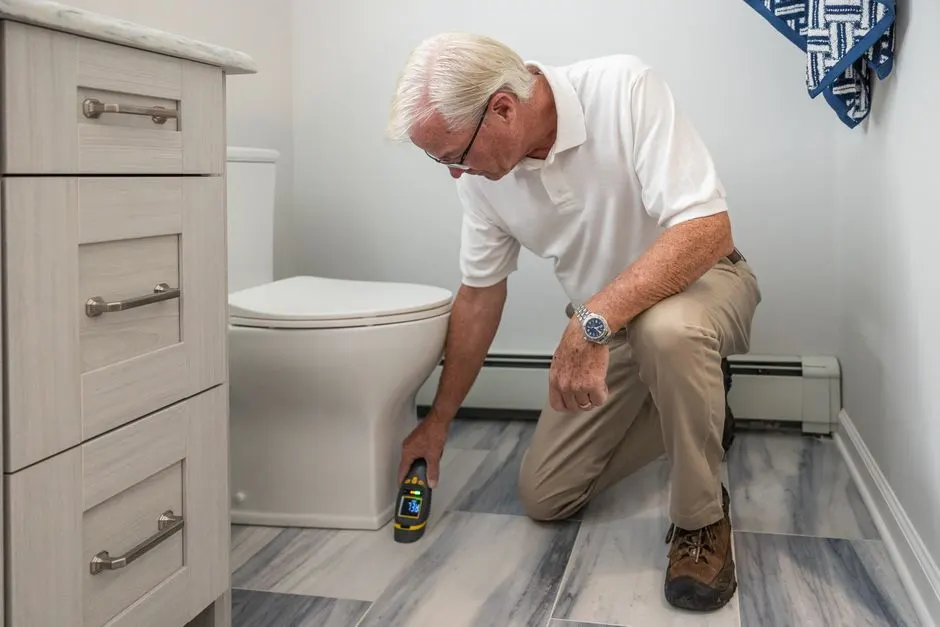
University City's humid summers and intense rain events put pressure on building envelopes, roofs, and drainage paths, while high-occupancy homes and apartment communities generate regular indoor moisture. Research, campus, and commercial facilities add larger HVAC systems and more complex operating schedules. These conditions do not automatically mean mold is present, but they make careful moisture assessment useful when odors or staining persist. Our University City mold inspection and testing checks the actual building materials and conditions instead of assuming a cause from the neighborhood or season.
Water can travel behind drywall, under flooring, or along framing before it becomes visible. A repaired source does not guarantee that every affected material dried. In University City properties, heavy rain or an indoor plumbing leak can leave a damp area that remains hidden after the surface stain looks dry.
Humid outdoor air, shower use, cooking, and limited ventilation can contribute to excess indoor humidity. When moisture meets a cooler window, wall, or ceiling, condensation can form repeatedly. In occupied apartments and student housing, room use and ventilation habits can vary from unit to unit.
Attic mold from inadequate ventilation can develop where moisture-laden air and temperature differences contribute to condensation. Roof leaks can produce similar staining, so appearance alone does not identify the source. Homes in the area need a careful check of accessible roof-side materials and surrounding conditions.
Mold in HVAC systems and ductwork is one possible explanation for a musty odor, but dust, drain issues, or damp materials near equipment can also contribute. Large commercial and campus facilities may have multiple zones, making it important to establish where the odor occurs and when.
Call for an inspection when a University City property has recurring dampness, a persistent musty odor, visible growth that returns, or water damage that was not fully assessed. You do not need to see mold for moisture to deserve attention. If you are looking for air quality mold testing University City NC, describe where the odor occurs, when it appears, and whether HVAC operation changes it. Those details help us select a useful inspection path rather than testing without a defined concern.
Musty odor that returns after cleaning
A recurring odor can point to damp material or hidden mold growth behind finishes, under flooring, or near plumbing. Cleaning the visible surface may not address the source. If the smell stays in one room or returns after rain or HVAC use, an inspection can locate moisture and identify whether sampling is useful.
Water stain grows or changes shape
A spreading or darkening stain can indicate continuing water intrusion rather than an old cosmetic mark. Check whether it follows a roof, plumbing, or exterior wall event and note when it changes. Prompt inspection helps identify the affected boundary before moisture reaches additional materials.
Bathroom ceiling stays damp after showers
Repeated condensation can keep paint, drywall, and nearby framing damp, especially when ventilation does not clear moisture effectively. If the surface remains wet or staining returns, we check humidity and suspect materials. The goal is to distinguish a ventilation issue from a leak or established growth.
Condensation appears on walls or windows
Condensation on building surfaces shows that moisture in indoor air is meeting a cooler surface. It does not prove mold, but repeated wetting can support growth on nearby finishes. A moisture and humidity inspection can document room conditions and help identify where ventilation or moisture control needs attention.
Odor or dust appears at HVAC registers
A musty smell near a supply or return register deserves a closer look, particularly if it changes when the system runs. The cause could be a nearby damp material, a dirty component, or another source. We inspect accessible areas and explain whether air sampling or further HVAC evaluation is appropriate.
We use recognizable University City destinations to orient the drive and clarify which part of the district your property is in. The University of North Carolina at Charlotte, the UNC Charlotte light rail station, and Shoppes at University Place are useful reference points when confirming an address. For appointments at apartment communities or commercial buildings, the building name, suite, and entry instructions remain the most useful details. We do not treat a landmark's proximity as evidence of a mold problem.
The university is a major University City reference point. Naming it can help distinguish properties on the campus side of the district when confirming the general location before using the street address.
The station provides a recognizable transit reference near the university area. It helps orient a route discussion, while the property's exact entrance and parking instructions determine the final approach.
This retail destination is a familiar point of orientation in University City. Referencing it can help clarify which side of the district a property is on without implying any connection between the shopping area and moisture conditions.
Plus surrounding Mecklenburg County neighborhoods, with same-day routing on most appointments.
Averaging 5.0 / 5 across verified reviews.
“We had a damp smell in a bedroom after a small leak and did not know whether the drywall was still wet. The inspector checked the wall and nearby trim, showed us the moisture readings, and explained why one sample made sense. The report was easy to follow and gave us a clear area to discuss with our repair contractor.”
Dana R.
Mallard Creek
“Our rental unit had bathroom staining that kept coming back. The inspection covered the ceiling, vanity, and plumbing wall instead of stopping at the visible spot. We received notes on humidity and moisture readings, plus practical next steps for maintenance. It made it easier to plan the unit's work before the next tenant moved in.”
Marcus L.
Prosperity Church Road area
“We needed help understanding an odor in one office room. The technician asked when it happened, checked the nearby surfaces, and explained the air sample process before collecting it. The findings were organized by room and did not overstate what the test could prove. That gave our building manager a useful starting point.”
Priya S.
University Research Park
As November moves University City into cooler weather, pay attention to condensation, indoor humidity, and any musty odor that becomes more noticeable while windows stay closed. The rest of the year brings different moisture patterns: spring rain can expose leaks, summer humidity can raise indoor dampness, and fall weather can reveal roof or drainage problems. If you need residential mold inspector near University City, tell us when the concern began and how it changes with weather or HVAC use. That timeline helps focus the inspection.
Spring rain can reveal roof, window, or exterior-water entry that was less apparent during drier periods. Check for new stains, damp lower-level materials, and odors after storms. Water intrusion may travel beyond the first visible mark, so note affected rooms and when changes appear.
Tip: After a leak or storm, photograph the affected area and note the date and room. If materials remain damp or odor persists, arrange an inspection before covering or repainting the surface.
Humid summer air and frequent cooling can create condensation on cooler surfaces, while showers and cooking add indoor moisture. Persistent dampness may appear in bathrooms, closets, or near HVAC components. A humidity reading has more meaning when considered with ventilation and surface conditions.
Tip: Watch for recurring condensation and keep a simple record of rooms where it appears. If a musty odor returns after cleaning, tell us whether it changes when the air system runs.
Fall brings changing temperatures and rain events that can expose roof or drainage weaknesses. Attics and exterior walls deserve attention if stains appear after storms. As heating begins, changes in indoor airflow can also make an existing odor more noticeable.
Tip: Check accessible ceilings and attic areas after significant rain, without disturbing suspected material. Report any new stain or odor and identify whether the condition follows weather or a known leak.
Cooler outdoor conditions can make condensation more visible on windows and other cold surfaces, especially in occupied rooms with limited ventilation. Closed windows may make a persistent indoor odor easier to notice. Condensation is a moisture clue, not proof of mold.
Tip: Note which surfaces collect water and whether the room stays damp after normal use. If staining, odor, or wet materials persist, we can measure conditions and help identify the next step.
University City is part of our wider Charlotte service region. We schedule inspections across the city for homeowners, tenants, property managers, and commercial operators facing similar questions about moisture and suspected mold. If your property is outside University City, use the relevant location page below or call us with the address. We can clarify the service area and the type of inspection that fits your concern.
(City)
Uptown lies southwest of University City and is part of the same Charlotte service region for residential and commercial inspections.
View Uptown Charlotte(City)
South End is farther southwest within Charlotte; customers moving between the areas can use our regional service coverage.
View South End(City)
NoDa is south of University City, keeping both areas within the northern and central Charlotte service route.
View NoDa(City)
Plaza Midwood sits southeast of University City and is served as part of our broader Charlotte coverage.
View Plaza Midwood(City)
Elizabeth is closer to central Charlotte than University City and remains within the same metro service region.
View Elizabeth(City)
Dilworth is southwest of University City; both locations are included in our Charlotte-area inspection coverage.
View DilworthReal answers from our team for the questions we hear most often before a job starts.
If a University City home, rental, or workplace has a musty odor, visible staining, or moisture after a leak, call Charlotte Mold Testing at +18668968166. Tell us the property type, affected rooms, and any access requirements; we will help match the concern to an inspection and explain the next available appointment. We serve University City and surrounding Mecklenburg County locations.
Call +1 866-896-8166 to tell us what you have noticed and where the property is located. Our team is available Monday through Friday, 8:00 a.m. to 6:00 p.m., to discuss inspections, sampling, and crawl space concerns across Charlotte, North Carolina. Share any leak history or affected rooms so we can focus the conversation on your property.
Phone
+18668968166Address
Charlotte, North Carolina
Hours
Mon–Fri: 7AM – 7PM
Sat: 8AM – 4PM
Sun: Emergency Only
24/7 Emergency Available